The smartphone is now the universal computing device, but there have been a few attempts to replace it, from smartwatches to AR glasses.However, they all come up against the same problem: the smartphone as a form factor is just , and it probably won’t be replaced anytime soon.There were many smartphone-like devices throughout the 1990s and 2000s, like slide-out keyboard phones, handhelds running Windows Mobile or Symbian, and BlackBerry phones with full QWERTY keyboards.
However, it was the original iPhone in 2007 and the first Android devices in 2008 that defined the modern smartphone—a rectangle with a large finger-sensitive touchscreen, support for portrait or landscape modes, a desktop-class web browser, and a touch keyboard.Smartphones have evolved significantly since the late 2000s, but the core design has not changed.They are still pocket rectangles, with a large touchscreen on the front and one or more cameras on the back.
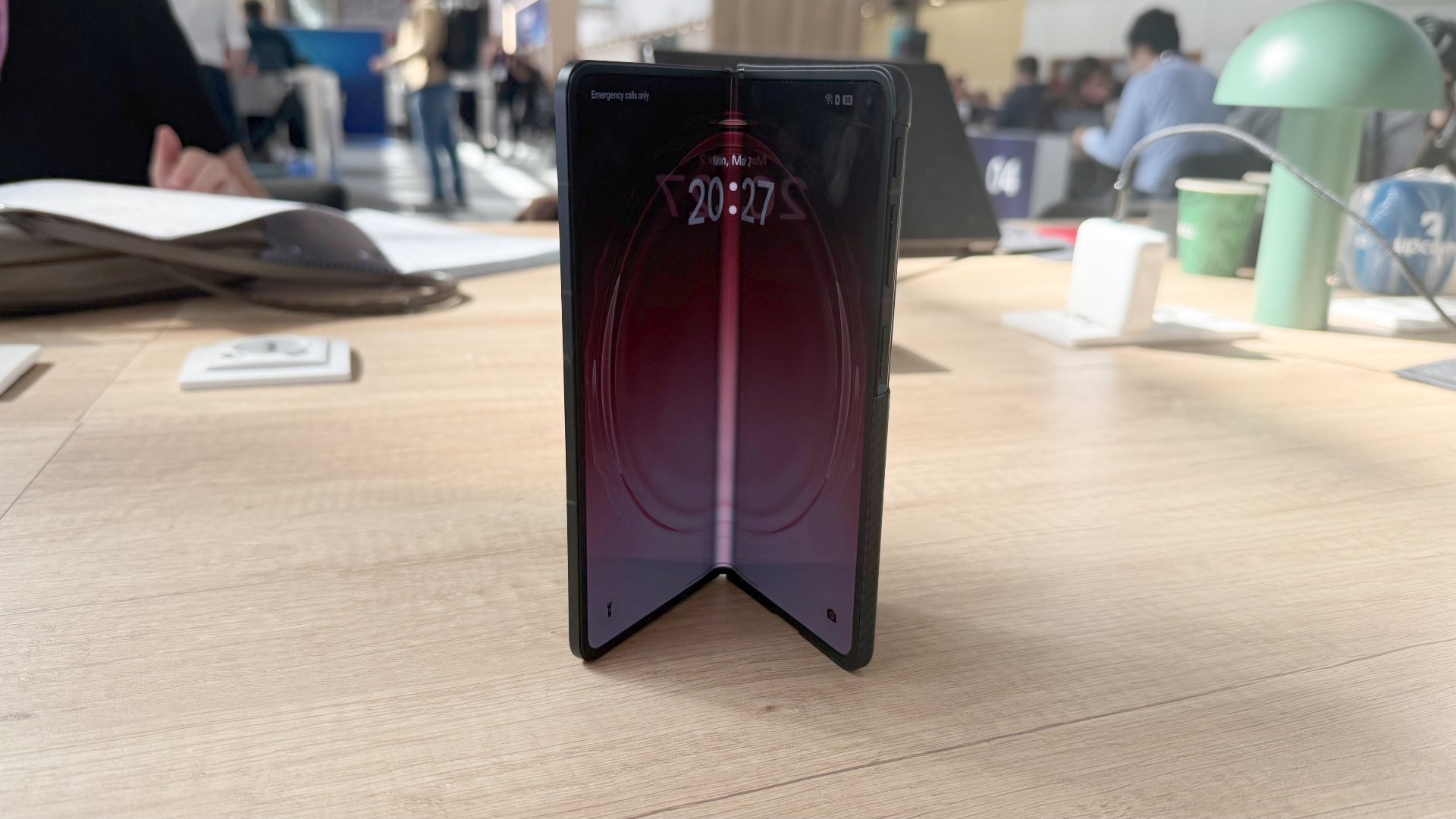
Sometimes, the rectangles can fold and unfold.If there’s a radical redesign that can replace most or all of the smartphone’s functionality, we haven’t discovered it.The perfect computer First, it’s important to remember all the devices and use cases that the smartphone has absorbed.
A modern phone can be a compact digital camera, media player, internet communicator, handheld gaming console, health monitor, step tracker, news source, voice recorder, videoconferencing solution, calendar, contact book, task list, and notebook, and of course, a cellular telephone.Portable audio players used to be a multi-billion dollar industry in themselves, and now they are limited to low-end electronics and niche enthusiast devices.Only a few years ago, you needed an expensive satellite phone to get help in remote locations beyond the reach of cellular networks, and now it’s a free feature on some iPhone models and Android phones.
The smartphone touchscreen turned into an incredibly versatile design, especially once the problems with on-screen keyboards were worked out.It can turn into a gamepad, a movie screen, a virtual keyboard for typing quickly and accurately in language, a musical instrument, a book page, or anything else.It’s easy to take those features for granted, but many of the attempts at a smartphone replacement struggle with them—especially text input.
Most modern smartphones also have enough pixel density for comfortable text reading.That has been a long-time struggle with virtual reality headsets and many augmented reality devices.High-end headsets like the Apple Vision Pro and Samsung Galaxy XR are finally close to the same text clarity as a typical smartphone or PC monitor, but they require much more complex and expensive display panels to achieve that result.
The Galaxy XR is a $1,800 headset with a 3,552 x 3840 screen resolution, but reading articles in the browser isn’t much different than with the 1,612 x 720 screen on the $130 Moto G at a normal viewing distance.If there’s a potential smartphone replacement, it would need to also cover most (or all) of the use cases currently handled by smartphones.That’s where every proposed new technology has failed.
There was a brief moment in the mid-2010s where smartwatches were pitched as potential alternative to phones.A smartwatch can be a cellular telephone, calendar, messaging device health monitor, and audio player, but it’s worse at most of those tasks than a phone, usually due to the limited screen size.They can’t play games, except as a novelty.
Now, smartwatches are almost exclusively sold as an accessory for phones.More recently, wearable voice-controlled pins like the Humane AI Pin have appeared as smartphone replacements.Before its cloud servers shut down, Humane’s wearable pin could make calls, send text messages, find information, and take pictures.
However, voice and images were the only input methods, and the total lack of a screen meant it could never be a media player, web browsing machine, or game console.The Humane AI Pin didn’t even last a year on the market, and even though Apple and other companies might try to create similar devices in the years ahead, they seem unlikely to impact smartphones in any way.One more example: augmented reality glasses.
The Google Glass never had a widespread release, but Spectacles, the Ray-Ban Meta AI Glasses (don't buy those), and (eventually) Android XR glasses are pushing forward with the same concept.Most of them require a nearby smartphone for full functionality, but even if that limitation is removed at some point, they will still have worse input methods, durability, and screens than a typical smartphone.The issues are real, but not required Even though the basic design of smartphones might be perfect, or close to perfect, the end products are not.
Most phones have fixed lifespans determined by the manufacturer, without the ability to install your own operating system.Many phones are not easily reparable.They can be too distracting for some people, and many mobile apps have dark patterns, like advertisements in push notifications or TikTok-style endless scrolling, that can encourage unhealthy habits and behaviors.
Headphone jacks, expandable storage, FM radios, IR blasters, and other helpful features have also been phased out over the years.However, those problems are not inherent to the smartphone design.The Fairphone 6 is a durable and repairable phone, and you can unlock the bootloader to install your own operating system.
Apple could also do that, but it won’t, because that would mean lower profits.The locked-down experience allows Apple to collect 30% of all in-app purchases, and when the official software support comes to an end, Apple gets to sell you a new iPhone.Those problems require legislative solutions, like the European Union’s Digital Markets Act (DMA), not a rethinking of basic smartphone design.
If there are not legislative changes to curb the downsides of modern smartphones, then they will likely carry over to any attempt at a smartphone replacement.Let’s say that smart glasses suddenly become more affordable and practical, and more people start buying them instead of a phone.The glasses will probably still have annoying push notifications, TikTok and Instagram Reels, locked-down software, and non-repairable hardware.
The past decade has made it clear that smartphones are here to stay.It’s true that wearables or feature phones can be a smartphone alternative for some people—many parents are giving their children smartwatches instead of phones, for example—but nothing has been able to displace the pocket rectangle.Until the next significant breakthrough in battery technology, or chipset manufacturing, or something else along those lines, I’m treating every claim of a “smartphone replacement” with a grain of salt.
Read More