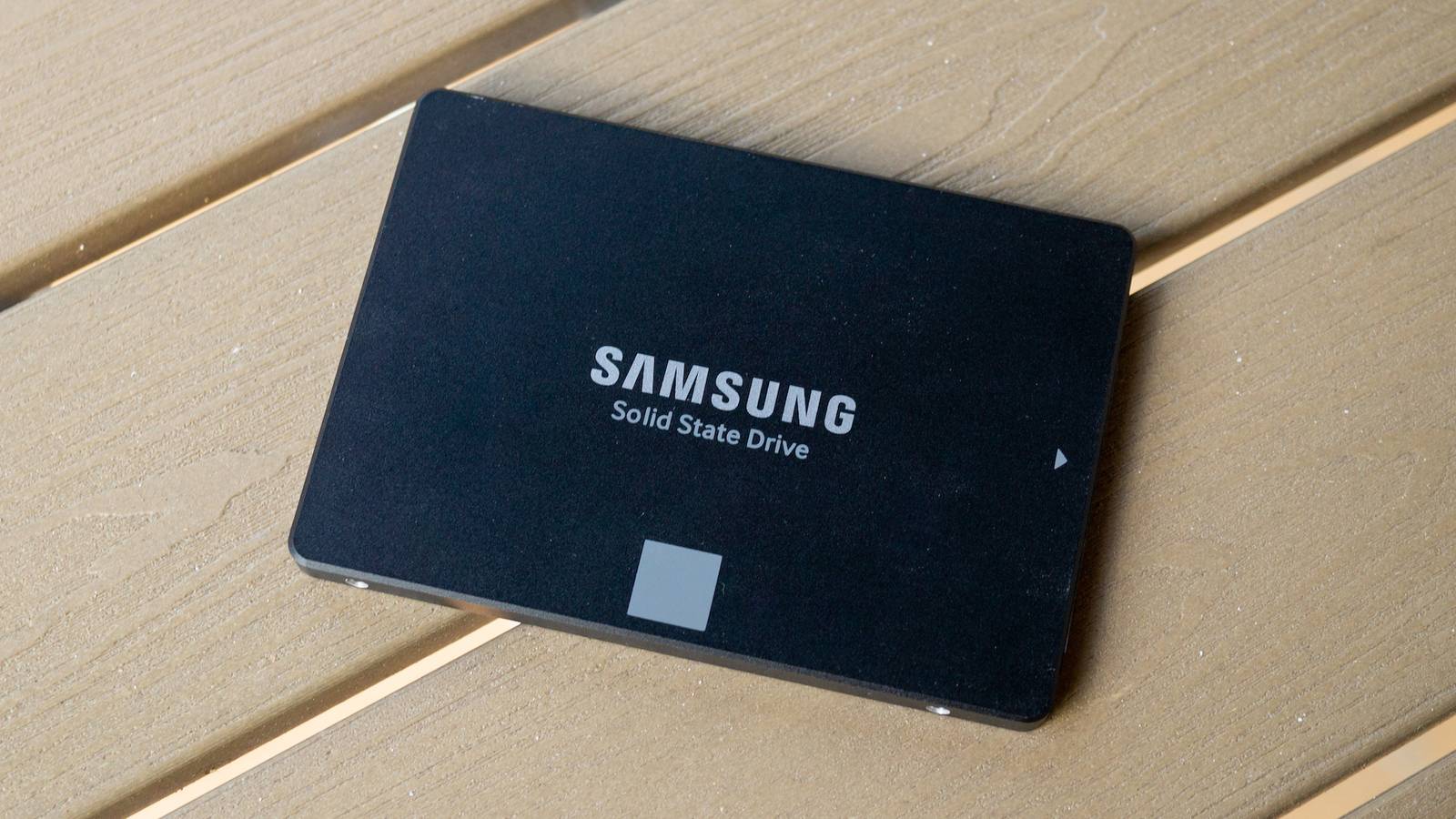
SATA SSDs may be slow as snails compared to modern NVMe SSDs, but they're still more than enough for most PC owners.If you own one, you should keep it because SATA SSDs are anything but obsolete.You should keep that SATA SSD because SSD prices have skyrocketed Considering we're in the middle of a global memory and storage shortage that affects , you shouldn't even consider throwing away that old SATA SSD because, right now, it's worth its weight in gold.
Sure, it seemed like they'd become obsolete just a few short months ago, but with the latest developments in the consumer storage market, SATA SSDs are back, big time.A casual glance at Amazon, Newegg, Best Buy, and other online storefronts reveals that SSD prices have skyrocketed, making any type of SSD storage more valuable than ever.At a time when even the cheapest 1TB SATA SSD costs north of $100, with 2TB drives selling for $300, you don't want to deprive yourself of usable storage, no matter how slow it is.
And SATA SSDs are even that slow.SATA SSDs are slow on paper, but not so much in the real world While not very fast on paper, with their bandwidth maxing out at around 550MB/s, SATA SSDs are still quite snappy for everyday tasks.Other than longer boot times, the difference between a SATA and an NVMe SSD used as a boot drive is hardly noticeable.
Your OS will be very snappy and responsive, even on a SATA drive.Casual users probably won't notice the difference between a 550MB/s SATA SSD and a state-of-the-art 14GB/s PCIe 5 NVMe SSD.Browsing the web, text editing, watching videos, gaming, doing some light photo or video editing, and similar, relatively lightweight tasks are going to chug along just fine, even on a SATA SSD.
SATA SSDs remain sufficient for most workloads Outside of being used as system drives and casual use, SATA SSDs are sufficient for many other workloads as well.When it comes to sequential performance, SATA SSDs are far slower than PCIe drives.However, in terms of random IOPS (Input/Output Operations Per Second), which is important for the operating system, apps, and games, SATA drives remain quite competent.
You can use them as cold, warm, or even hot storage in certain scenarios, such as for the OS, frequently accessed media libraries, documents, game ROMs, and more.Most games will run great from a SATA SSD.They’ll load more slowly than from an NVMe SSD, but they’ll perform just fine.
The only exception are games that support DirectStorage, which might experience stuttering and lower frame rates compared to running them from a fast NVMe drive.SATA drives are also a solid choice for many server and NAS workloads, including being used as boot drives.In fact, they can be overkill for such use cases, especially if your server or NAS is primarily used as a media server, running a couple of apps, performing regular backups, and serving as local file storage.
Aside from 4K video editing with multiple simultaneous streams and workloads where very high random access performance is important (massive datasets, AI-related workloads, and more), in which they can noticeably trail behind NVMe SSDs, SATA SSDs are suitable for virtually every workload you can think of.They won't be the optimal choice for most, but they won't impose a significant bottleneck either.If you’re strapped for storage, don’t want to pay a fortune for a new NVMe SSD, and already own a SATA SSD, you should consider moving your OS and apps to the SATA drive and storing your large files (video files, databases, project files, and so on) on the faster NVMe drive.
This way, you reserve the faster storage for data that can noticeably benefit from higher read and write speeds, while keeping the rest on a slower drive that still offers enough random access oomph to keep the OS and apps responsive.You can build a DIY external SATA SSD for next to nothing If you’re fortunate enough to be swimming in storage space and don’t see any use for your banged-up SATA SSD inside your PC or server, consider turning it into an external SSD.Doing so is very simple and only requires an external SATA SSD enclosure, which are a dime a dozen.
How-To Geek Report: Subscribe and never miss what matters Unlock your tech-savvy potential and master the digital world with How-To Geek.Subscribe By subscribing, you agree to receive newsletter and marketing emails, and accept our Terms of Use and Privacy Policy.You can unsubscribe anytime.
I did just that with my old faithful Samsung 850 Evo, which I've owned for about a decade now.I got a cheap Orico SATA SSD enclosure for less than $10, chucked the 850 Evo into it, and turned it into a very performant external drive.I've used it to back up my Steam Deck back when I installed Windows on it, transfer files between my desktop PC and handheld PCs, and for handheld PC and USB dock reviews.
I don't use it often, but it's super handy to have when I do need it.You can get the BENFEI SATA SSD enclosure for $10, which comes with a versatile USB-C cable with a built-in USB-A adapter.If you'd rather get something from a trusty brand, you can pick between the UGREEN and SABRENT 2.5-inch SATA enclosures.
They cost the same, but the Sabrent model has a USB-A cable instead of the exotic—and awkward—USB 3.0 Micro‑B port.SABRENT 2.5 Inch SATA to USB 3.0 External SSD/HDD Enclosure The SABRENT external SATA SSD and HDD enclosure is an affordable, no-frills way to give your SATA SSD a second lease on life.See at Amazon Expand Collapse While buying a brand new SATA SSD might not be the optimal choice in the current climate, you shouldn't get rid of your old, trusty SATA drive.
It's still very performant and more than fast enough for most use cases.
Read More