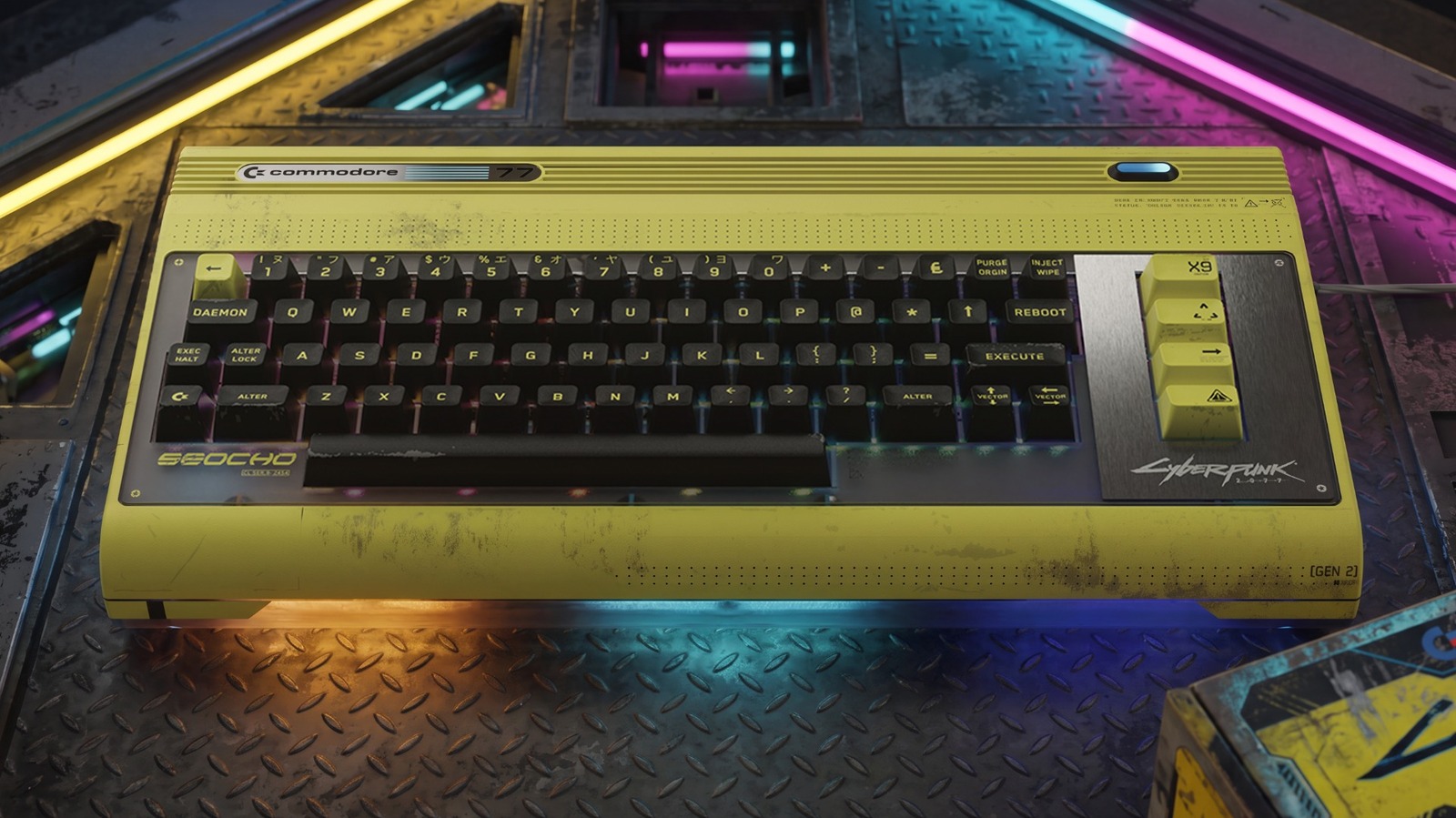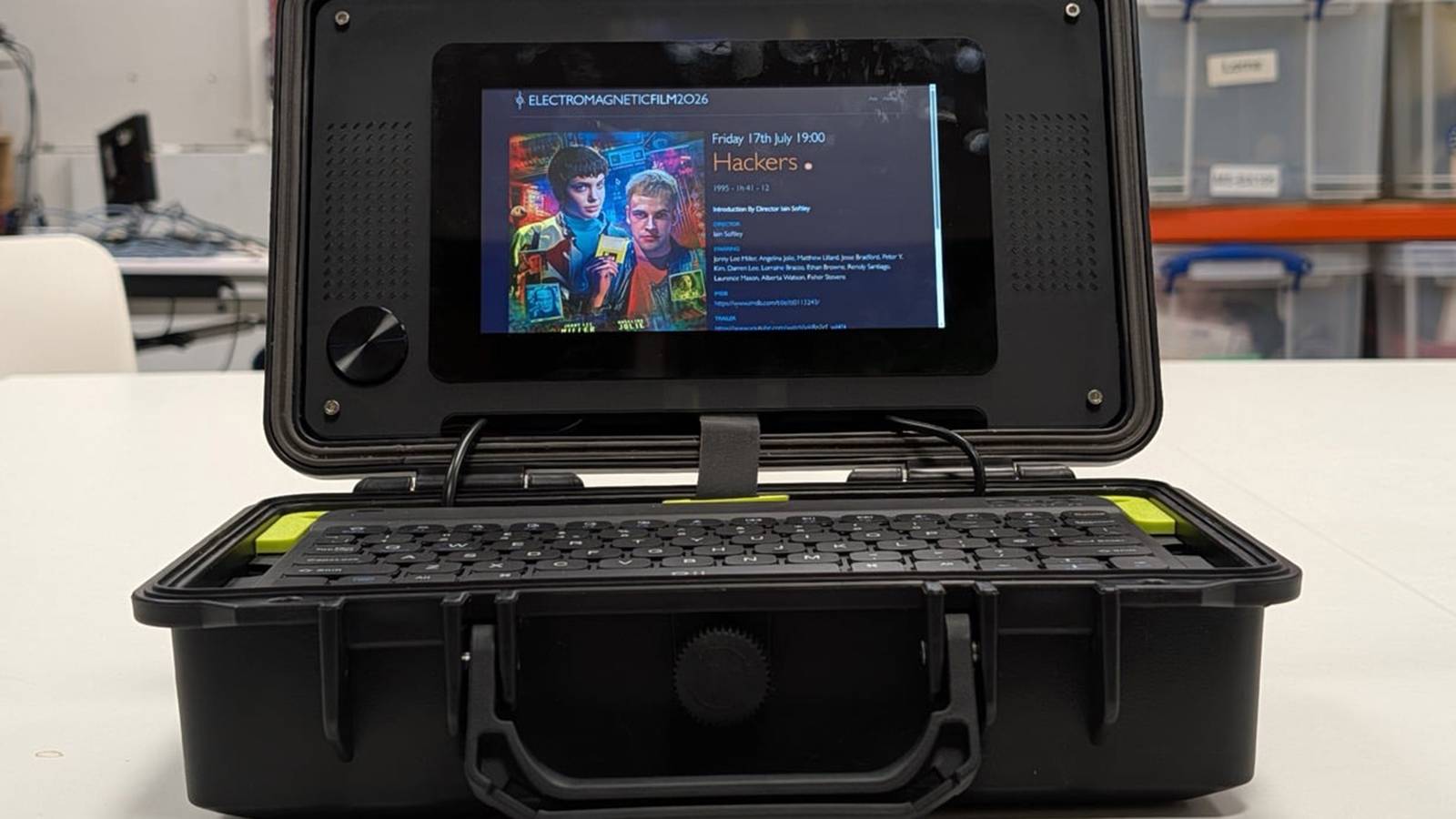
Cyberdecks have been wildly popular with DIY enthusiasts for a good reason: you can build a portable computer that does what your usual PC can't, often with more style and a lower price.Raspberry Pi is eager to hop on the trend, and has just shared a tutorial that teaches you how to build a cyberdeck from scratch.The new guide includes instructions for the core device, including a single-board computer like the Raspberry Pi 5 as well as the touchscreen, storage, and keyboard.
You'll learn what you need for the battery and peripherals.Raspberry Pi 5 Brand Raspberry Pi Storage 8GB 8GB $199 at Amazon 1GB 1GB Expand Collapse However, the company also goes into detail about the housing for the cyberdeck, including a hard case and 3D-printed (or laser-cut) supports.If you're happy to build the computer you see here, it's just a question of buying the right equipment and following steps.
Raspberry Pi encourages customization, such as a Pico co-processor, more LEDs, or your own casing.If you're already comfortable improvising, you can make a wearable or something similarly fanciful.How much does it cost to make a Raspberry Pi cyberdeck? It can be expensive if you're starting from zero The computer itself can be relatively inexpensive.
If you stick to the official shopping list, you'll pay $130 for a Raspberry Pi 5 with 4GB of RAM, $55 for the display, and around $20 or less for the case and individual components.Related This Custom Mini Computer Has a Raspberry Pi And a Tiny CRT Nice.Posts 1 By Arol Wright The catch, of course, is that you'll need access to a 3D printer or laser cutter as well as the necessary materials.
This can prove costly if you want to buy the machinery yourself, and you'll have to factor in materials like filament and metal.Although there's enouhg here to help newcomers, Raspberry Pi is aiming at enthusiasts who already have some of the tools.The tutorial could ease you into your first project at this scale, though.
It also shows what's possible once you're comfortable with single-board systems and 3D-printing — you can make a one-of-a-kind PC for specialized tasks, or just to impress your friends.
Read More