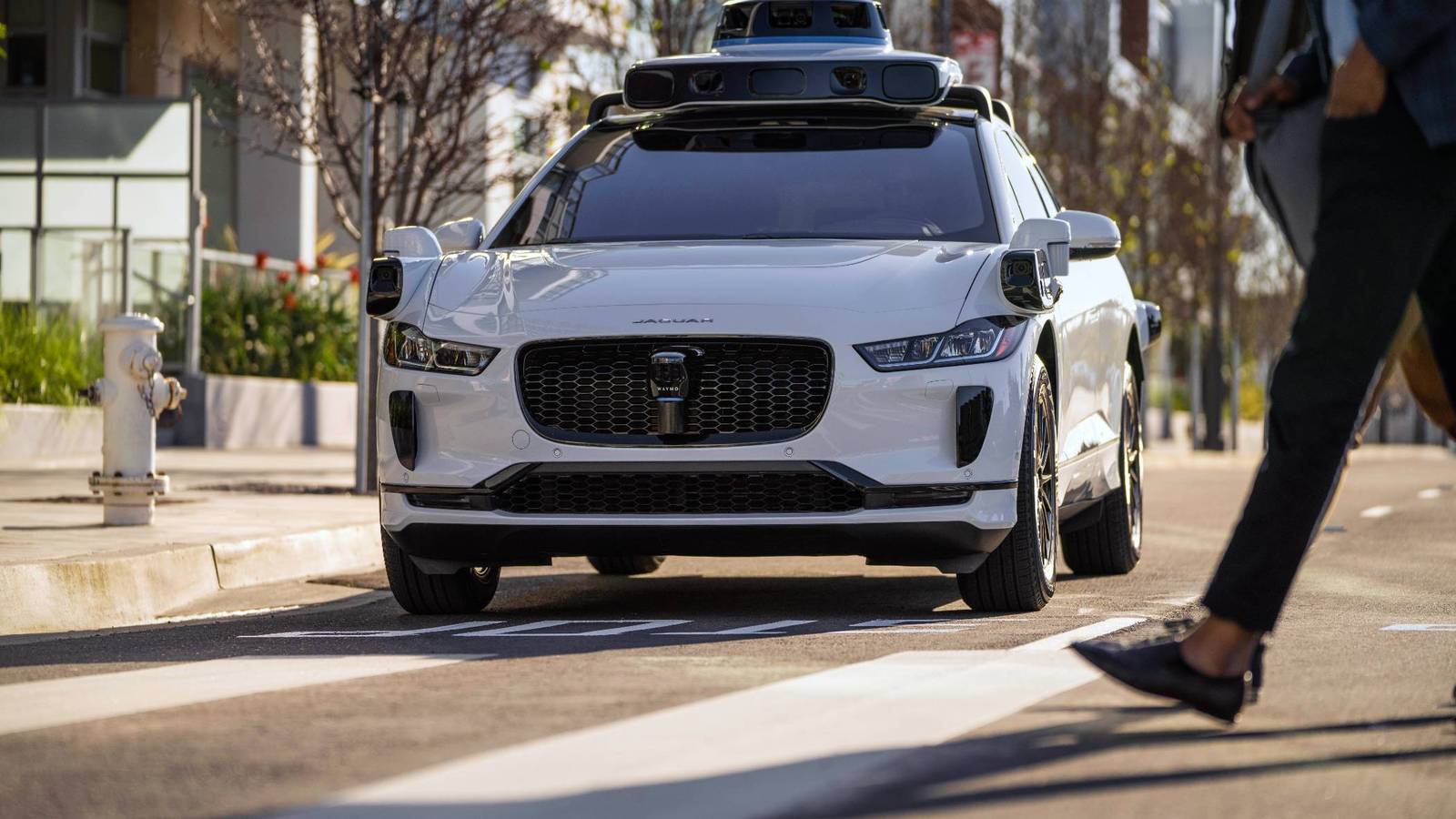
California police will finally have the authority to issue tickets for robotaxis running afoul of the law.The state's Department of Motor Vehicles (DMV) will enact a law on July 1st, 2026 that allows citations for driverless cars.As noticed by , Assembly Bill 1777 was approved by Governor Newsom in September 2024 and amends California's Vehicle Code to let officers issue noncompliance notices to robotaxi manufacturers.
At present, law enforcement can only issue citations to whoever is driving, a problem when only the car is in control.The autonomous vehicle makers, in turn, have to share those tickets with the DMV within 72 hours, or 24 hours if there's a serious incident like a crash.Habitual or particularly serious incidents could lead to the DMV limiting the company's operations or suspending its permit.
Related Here's Everything That’s Still Wrong With Self-Driving Cars Hands-free, but not worry-free.Posts 12 By Demilade Adejola How self-driving vehicles must comply Two-way voice communication The law requires that self-driving vehicles comply immediately with commands (including across geofenced regions) from first responders during ongoing emergencies, such as clearing a given street for a fire truck.Companies have to run emergency response lines they answer within 30 seconds.
The cars themselves will need manual overrides as well as two-way voice communication that lets authorities speak to remote human operators.The measure is good news for Tesla, Waabi, and other companies working on autonomous trucking.The DMV has scrapped a ban on self-driving vehicles weighing over 10,001lbs, allowing big rigs and mass transit shuttles.
Companies will need to conduct at least 500,000 miles of testing with safety drivers aboard and stop at inspection and weigh stations like conventional trucks.Why police will ticket robotaxis The cars can sometimes be public threats Self-driving car technology still has problems that lead to traffic violations, such as blocking traffic or parking in restricted areas.In 2024 alone, Alphabet-owned Waymo received 589 parking tickets in San Francisco and paid $65,065 in city fines.
The infractions frequently have minor consequences, and tend to stem from either confusion (such as edge case scenarios the software team hadn't anticipated) or prioritizing safety over the law.However, there have been times when sudden stops or other decisions have hindered emergency vehicles, led to collisions, or exacerbated situations.In 2023, a robotaxi from GM's now-shuttered Cruise inadvertently dragged a pedestrian who had bounced off a human-driven car.
Tickets theoretically pressure robotaxi operators to improve their systems and avoid both fines and the risk of losing their permits.They might also discourage some driverless taxi brands from launching in California before they're truly ready.Subscribe to our newsletter for robotaxi rules and enforcement Join the newsletter for focused coverage and expert analysis of robotaxi citations, compliance mandates, and safety requirements — essential context for understanding how enforcement will affect autonomous vehicle operations and manufacturer accountability.
Get Updates By subscribing, you agree to receive newsletter and marketing emails, and accept our Terms of Use and Privacy Policy.You can unsubscribe anytime.We've asked Waymo for comment on the California mandate and will let you know if we get a response.
Will tickets be effective? It's not certain that tickets will be sufficient deterrents.Waymo's 2024 fines were tiny compared to the size of the firm, let alone its parent company Alphabet.Some brands are also content to limit their business in the state.
Tesla robotaxis only operate in the San Francisco Bay Area with human safety drivers, but are officially unsupervised in Texas.Still, the move at least holds companies more accountable.Source: Carscoops
Read More