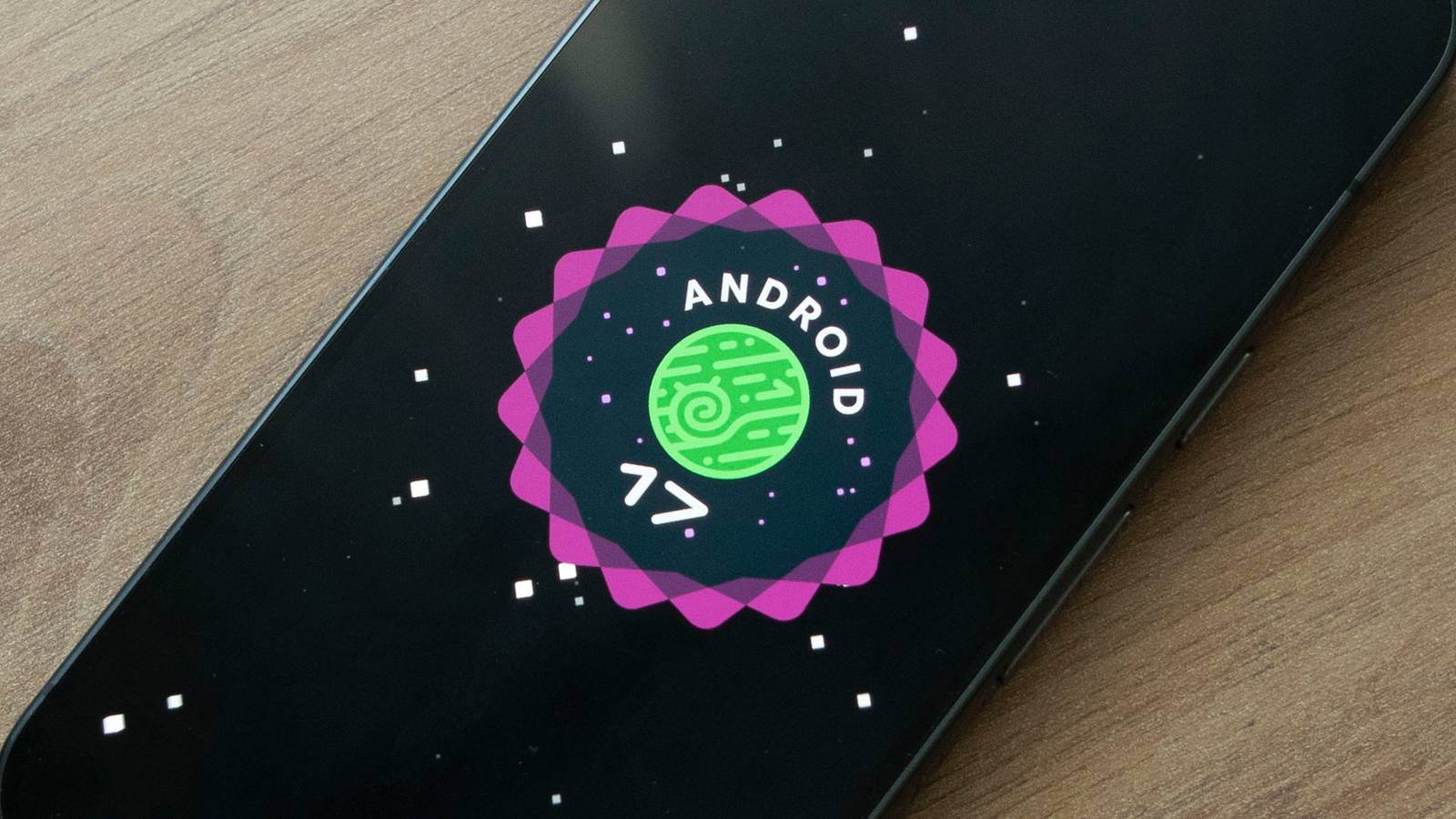
Android 17 has been available for four months, yet it only runs on 1% of active devices.The stable build of Google’s latest mobile platform landed in June this year—almost exactly a year after Android 16, so the launch windows are nearly identical.The adoption story, however, is a completely different one.
That’s because releasing an update and getting it onto phones are two different things.Add How-To Geek on Google Add as Preferred Source Follow on Google Discover Android 17 is having a harder time finding its way onto phones Fragmentation remains a problem Google’s previous snapshot from December 2025 put Android 16 at 7.5%, roughly six months after its release.The latest numbers updated on October 19 reveal Android 17’s share at 1%, four months in.
So, the comparison with last year’s operating system is a little lopsided.Timing plays a big part.Google’s Pixel phones are the first in line to get the latest version of mobile software.
Other manufacturers need time to adapt the software for their phones and interfaces.Samsung, one of Android’s biggest OEMs, only started seeding Android 17 widely in the past few weeks.So, it’s likely that Galaxy phones are not counted in this Android 17’s distribution numbers.
The figure should climb in the next data as we’re already seeing rollouts of the latest versions from phone makers.There’s also a caveat—the estimates are based on devices that accessed the Google Play Store during a seven-day window, and Google doesn’t publish its Android distribution chart anymore.The snapshot also shows Android 16 leading with a 25.4% share of active devices.
It’s up sharply from 7.5% last December.Android 14 is second at 15.3% while Android 15 sits at 14.7%.Together, these constitute 30% of active devices.
56.4% of phones are running Android 14 or newer.Surprisingly, Android 11 still holds more than 10% of the share, while Android 13 is at 11.8%.The same data shows a whopping 43.6% of devices running Android 13 or older, a reminder of how many phones get left far behind.
Related New Android phones aren't worth buying anymore Even though they're better than ever.Posts 58 By Andy Betts It’s possible that Android 17's distribution figures simply haven't had much time to catch up.Its adoption may eventually catch up since phone makers, not Google, set that pace.
You can check if the latest operating system is already waiting for you by checking Settings > About phone on your device.Source: 9to5Google
Read More