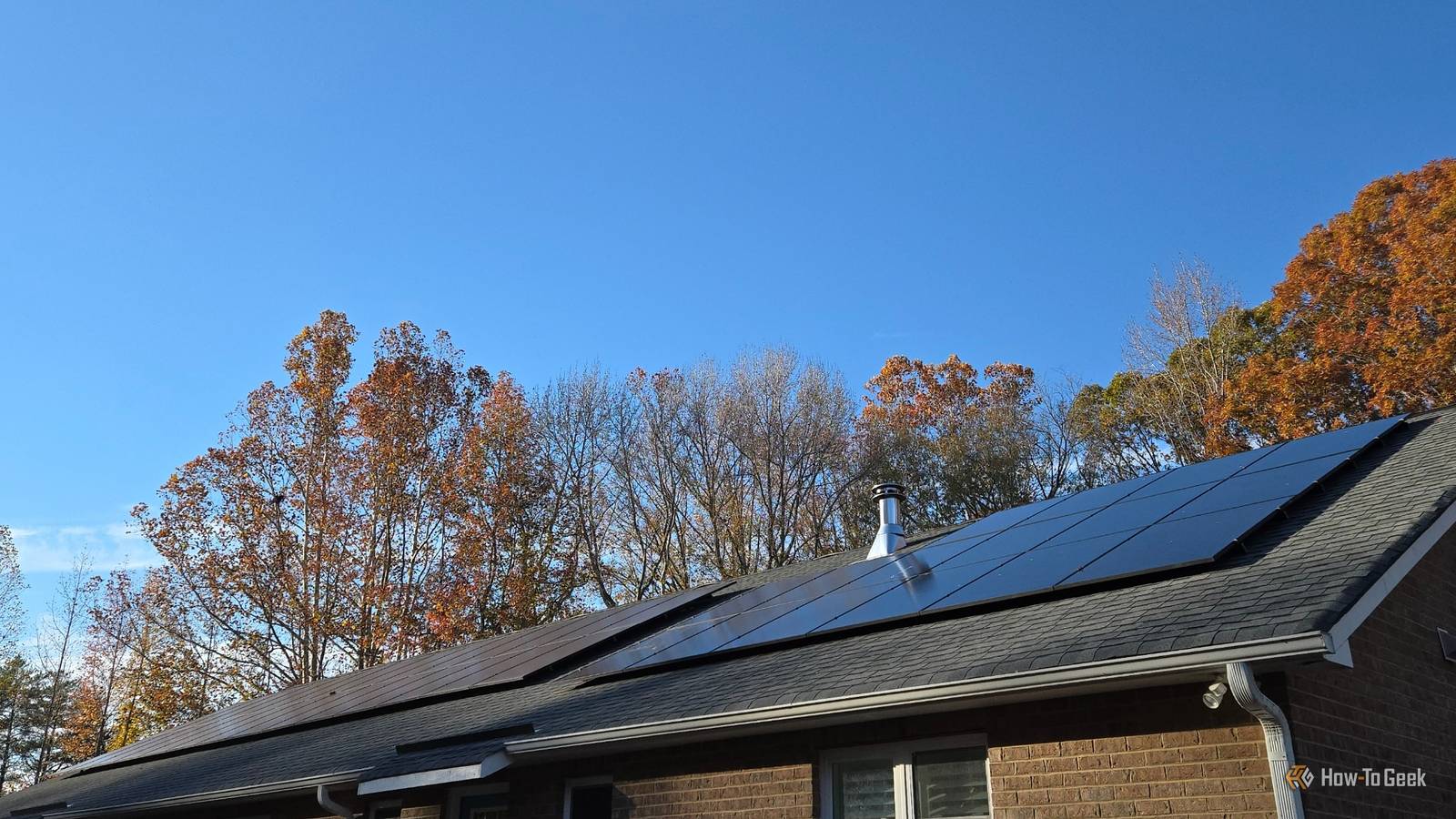
I've had solar panels for nearly ten years, after having them installed on both my current home and my previous one.There are a few reasons why I knew I wanted to invest tens of thousands of dollars into this technology, and why I've had no regrets.A future of free energy I no longer pay for electricity, and I'm only in my 30's This may come as a shock, but I'm no fan of paying utility bills.
If there is an option to stop, I seek it out.That's part of the reason I enjoy living in a rural area where we can have a private well and no water bill—even if that does mean having to invest in backup power to keep the water running.With solar panels, the same option is available for energy.
Anker SOLIX F3800 Plus Brand Anker Dimensions 27.6x10.3x15.6 The Anker F3800 Plus is an updated version of Anker's F3800 solar generator, offering the same 3.84kWh capacity and 6000W output.This model comes with improved charging, with a new max solar input of 3200W and 165V, along with support for 240V from a gas generator.$3200 at Anker Expand Collapse Just like a private well, solar panels cost money upfront, but after they're built, energy bills can be a thing of the past.
To be clear, this isn't guaranteed.You have to build enough solar panels to cover 100% of your usage.How much that will cost depends on the size of your home, your roof, your landscape, and how much electricity you consume.
We didn't buy a massive solar array all at once, but now that the project is done, the electricity I use in my home is free.I no longer need to think about energy usage, and as someone in my mid-30s, I'm still quite young.As long as we continue to live in this home (and that is our plan), then we have decades of free energy ahead of us.
Electricity costs continue to go up Solar panels are only a one-time fixed cost When my wife and I first bought solar panels, we calculated how long until we recoup our investment based on the electricity costs of the time.Unlike a car, solar panels are an investment that eventually pay you back.It may take a while, but within ten or fifteen years, you reach a point where you've saved more money on electricity than you spent on the panels.
Our math assumed that electricity costs would stay the same, but we all know that they don't.All over the world, we're facing various types of energy shocks.Our prices here in Virginia have gone up like they have elsewhere, but since my wife and I don't have to pay for our home's energy, all that is increasing for us is the amount of money we're saving.
People get sticker shock when I tell them that we've spent around $50,000 on solar panels, but the idea that solar panels are expensive is a bit of a myth.That's because none of us have the option not to pay for energy.The choice is whether you pay to rent power or you pay to produce it yourself.
If we're spending over $300 a month on electricity costs, and we look ahead to how much that will cost us over the next 10, 20, 30, or 40 years, then $50,000 starts to look like an outright bargain.Believe me, I know $50,000 is not something everyone can finance, but, according to Kelley Blue Book, that number is also the average cost of an average new car in America.I know people who pay more than that for a vehicle which will only ever depreciate and, more often than not, come with an additional cost in fuel.
They don't see how much further their money would go if they bought a cheaper vehicle and solar panels instead.My solar panels make driving cheaper Solar panels pair perfectly with electric cars I have never liked the experience of driving a car that's dependent on gasoline.I don't like the smell of gas, nor do I like having to drive out of my way to go find some.
Even worse—it is yet another utility cost that I must pay in order to live a modern life in my corner of the world.Fortunately, long-range electric vehicles are now a thing.When paired with solar panels, that's one more utility cost I can make disappear.
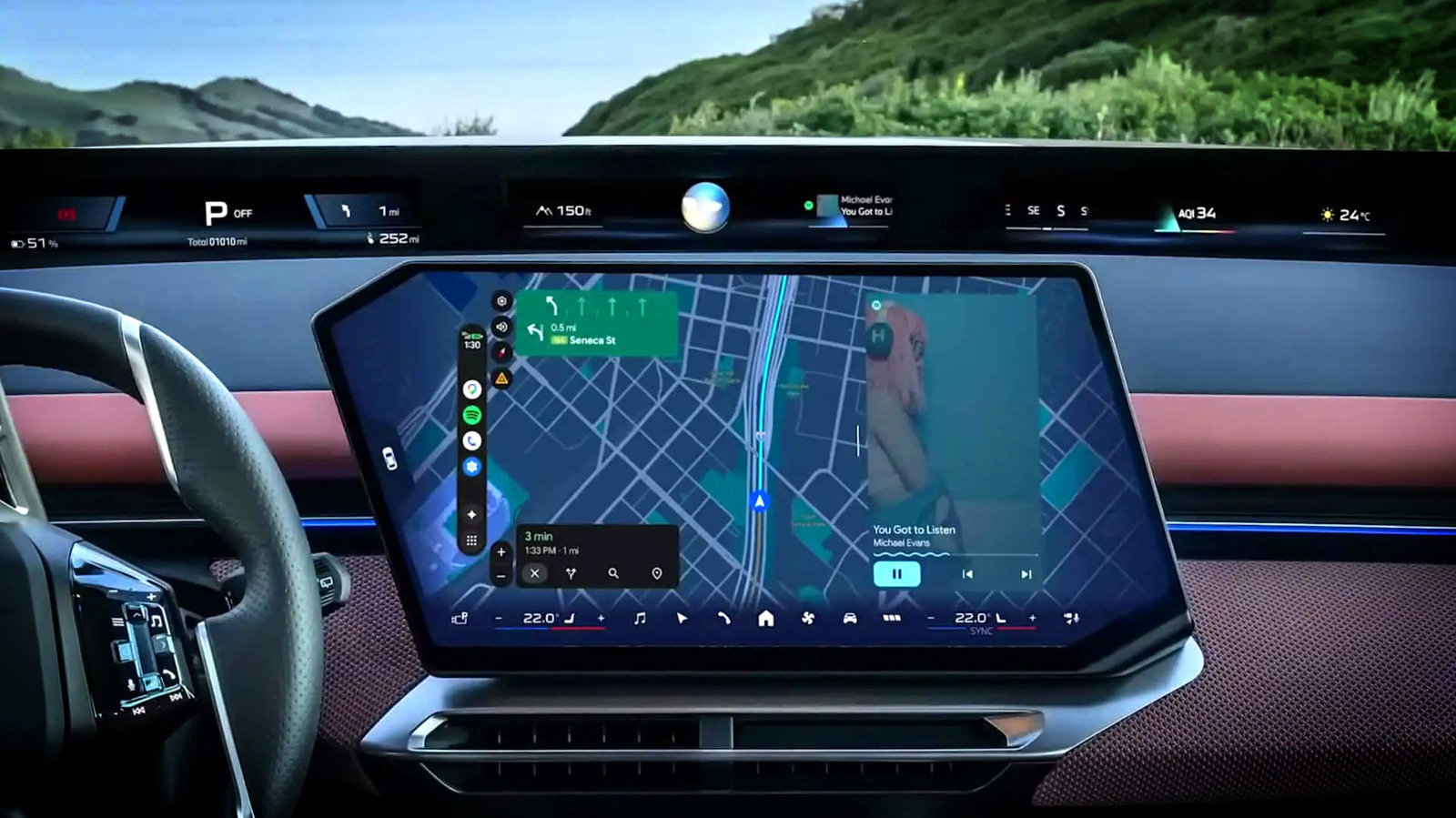
My wife and I drive two electric cars.The solar array on our roof not only supplies enough electricity to power our home, but it covers the local driving we do around town, as well as some of our road trips.I have grown so acclimated to driving around for free and not thinking about fuel that it is my turn to get sticker shock whenever I borrow or rent another vehicle and am reminded how much money most people are paying just to drive their vehicles around.
Deals Save on Solar and Home Energy: Smart Home Deals Now Explore smart-home deals and discounts on solar-compatible gear to boost energy savings.Find offers on home batteries, EV chargers, inverters, energy monitors, and installation accessories to lower bills and upgrade your setup.Deals Explore Smart Home & Gadgets Deals That said, not all of our driving is free.
Our solar panel array is sized for the amount of electricity we were using at the time it was built.Since then, my wife has started commuting 50 miles away each day.100 miles of driving in an electric vehicle is a significant increase to our energy usage, and it is more energy than our panels provide.
Yet this only amounts to an additional $50–$100 a month in electricity costs.Compared to the hundreds my wife would be burning up in gas, it's hard to complain.I cannot recommend solar panels highly enough At no point have we ever regretted our investment.
Solar panels may take years to pay for themselves, but the fact that you're getting free energy starts instantly, and you can start leaving lights on with a clear conscience.We started off with a small solar panel array and worked our way up, but if you can go big—go big.It's a wonderful feeling once you're on the other side, even if there are a few things I'd do differently.
Read More