There's a saying that "the internet never forgets, "which is a nice soundbite, but in truth some things are lost forever on the net.Once a server goes down and the last copy of that data is disconnected, that's it.But open-source software has proven to be extremely resilient.
Once that source code is out there, it seems that no matter what happens to the core or original project, someone will create their own fork of it should the main version become abandoned or otherwise inviable.This is a feature of FOSS, not a bug, and there are numerous examples of where a good old forking saved the day.Jellyfin kept the open-source version of Emby alive The hero we needed Close We're all fans of self-hosting media in the home here at How-To Geek, but no one agrees which platform is the best.
I've always been a Plex guy, but we had a lot of Emby fans too.It was the free and more open alternative to the polished, but rather corporate orange and black streaming service.But over time, Emby's relationship with its user base started to sour as the open-source project struggled to juggle the size of the project, security, features, and costs.
And so, in 2018, Emby officially became a closed-source project.However, you can't retroactively take away FOSS status from code that's already released, and so Jellyfin could take the source code from the last open version of Emby and start its own independent branch of the software.And so, we still have a completely free and open option for self-hosting media today.
LineageOS rose directly from CyanogenMod’s ashes Keeping the dream alive CyanogenMod began as a community-built alternative version of Android.It lets enthusiast Android users replace the OS that came with the phone and run a custom image.This gives you total control over what apps are on the phone, and what the OS does with your information and hardware.
It was even a way to extend the life of a phone after official software support ended.This was especially important because support cycles used to be much shorter than they are now.On December 23, 2016, Cyanogen Inc.
announced that it was shutting down the services and infrastructure supporting CyanogenMod.However, there was still open-source code out in the wild, and within days of that announcement, contributors to the original project announced they would keep going under a new name: LineageOS.Today, LineageOS is the gold standard for custom Android ROMs, and even boasts its own camera app, music launcher, and other core apps that reduce its dependence on Google apps that most Android phones ship with.
Google might be making it harder than ever to flash custom ROMs, and it's not nearly as possible as it once was, but thanks to this rapid fork, the dream of a truly custom Android phone is not yet dead.VeraCrypt "solved" the mystery of TrueCrypt by simply continuing it Some questions will never be answered These days, we take on-the-fly disk encryption for granted, but when TrueCrypt was at its peak popularity, this was not the case.So people who were privacy-conscious used this software to ensure that the contents of their hard drives could not be read without authorization.
However, in 2014, the anonymous developer of TrueCrypt abruptly announced that the project had ended.That was because new versions of Windows came with BitLocker, so it wasn't necessary to use TrueCrypt.The website advised people to stop using it since there would be no more security updates, and to migrate their data to a different encryption solution.
To this day, no one really knows the full story of why this happened.However, because TrueCrypt was open source, it was easily forked into VeraCrypt, which is still going strong today.We need at least one open, transparent encryption solution.
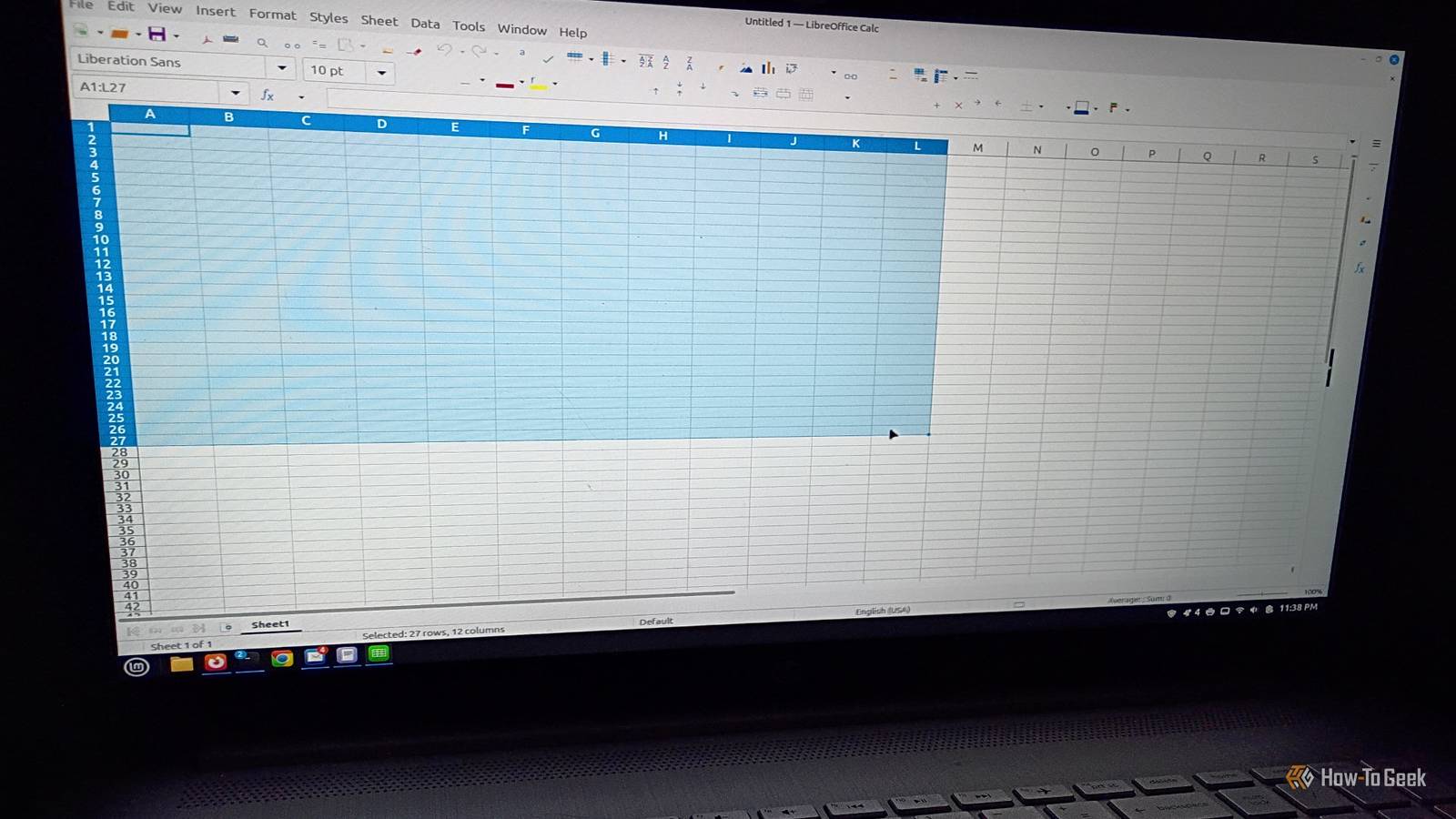
Closed-source encryption software always has the possibility of backdoors, and for a lot of people that's one risk they cannot take.LibreOffice escaped Oracle with almost the entire OpenOffice community The great Libre-ration Sun Microsystems released the source code for StarOffice, which it acquired in 1999, and that code base became OpenOffice.Since the dominant Microsoft Office suite was so expensive, OpenOffice attracted plenty of attention.
Certainly, it got me through school and college, since there was no way I could afford the cost of MS Office! When Oracle acquired Sun, people worried it would steer OpenOffice, so the community forked it into LibreOffice.It isn't just a software fork, but a move into independent governance free of corporate control.Just about everyone working on OpenOffice outside of Oracle left to join LibreOffice instead.
Oracle soon halted work on OpenOffice, and Linux distros moved to supporting LibreOffice instead.When in doubt, forks out! I've certainly complained about things like Linux distros having too many forks, but in the end, the ability for anyone to take a project and steer it in their own direction at any time is a net positive for everyone.I'd rather have a bunch of pointless or bad forks if it means good software will always thrive.
Read More