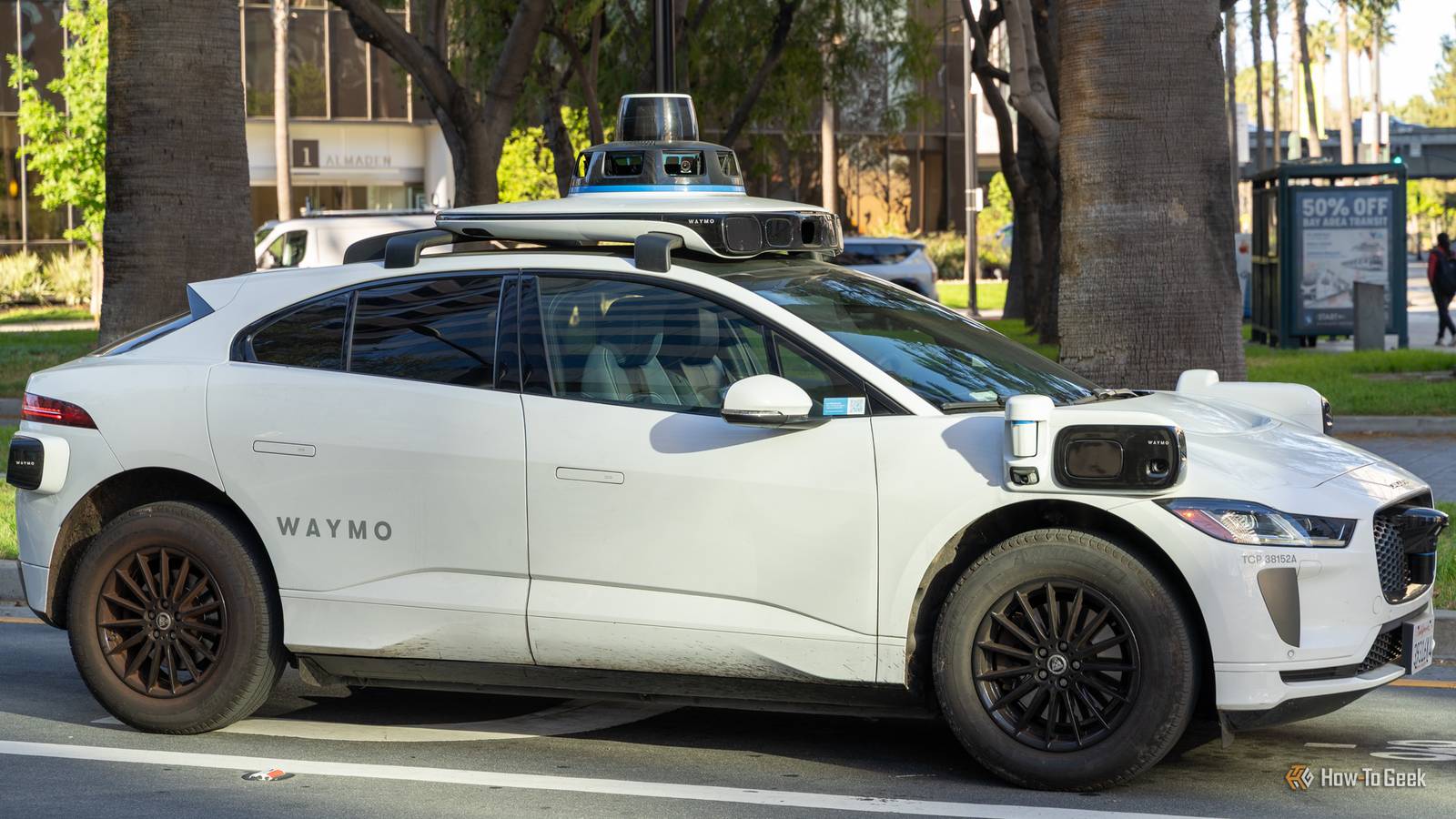
You might need to thank a self-driving car the next time your city patches a hole in the road.Alphabet's Waymo is launching a pilot program that will share data from its robotaxis to help municipal and state governments identify and fix potholes.The initiative will transmit Waymo sensor data (such as camera imagery and LiDAR) through Waze for Cities, the free Alphabet-owned platform that lets governments both take action and share road information with drivers.
The move theoretically detects potholes faster and more thoroughly than relying on inspections and 311 calls, helping officials mend roads that much sooner.Waze users will see the info and can confirm or correct it.The pilot will start with Waymo's first five service regions, including Atlanta, Austin, Los Angeles, Phoenix, and the San Francisco Bay Area.
More regions will come in time, according to the company.This includes cities with winter weather that typically worsens potholes.Related 10 Companies Leading the Charge in Autonomous and Electric Vehicles These top innovators are shaping the future of electric and autonomous vehicles with groundbreaking technology and sustainable solutions.
Posts By Adam Gray Why Waymo is fixing potholes Helping communities helps Waymo's business Waymo's pilot will only help with roads where its robotaxis operate.It might miss certain side streets, for example.It's also not a strictly novel concept, as companies like Belgium's Xenomatix have developed road inspection systems of their own.
However, Waymo still has strong incentives to contribute pothole data.It's already pitching its robotaxi business as "making roads safer" by reducing crashes.If it can meaningfully accelerate pothole repairs, it can further argue that cities will benefit from its presence.
That could lead to approvals from officials otherwise worried about potential dangers, such as a January 2026 incident when a robotaxi hit a child near a Santa Monica school.The info should also help Waze by providing more consistent road condition reports than it gets from drivers, who don't always have the time to flag potholes.That, in turn, could spur adoption and give Waze an edge over competing navigation apps, including Alphabet's own Google Maps.
Similar technologies in play Competitors like Amazon's Zoox can also detect potholes, but don't typically have equivalents like Waze for Cities to routinely share that data with governments and drivers.The pilot could help prioritize Waymo's deployment requests over those of rivals who might only use data to improve their own services.
Read More