Most productivity software sells you a clean interface and a recurring charge for features you could build yourself in an afternoon.I've paid for tools that promised to do a lot, and they ended up being spreadsheets.People write Excel off as old or basic, but it can do math, it saves everything, and it works offline.
Trello charges you a lot for simple cards You can build a better board in a sheet Close So I have worked in environments where Trello was a must-have.You get columns for To Do, Doing, Almost Done, and Done.It's easy to drag cards around and looks clean.
For basic task tracking, it is great.But tools that only do one thing end up costing you.Once you're past the free tier, you're paying $5 to $17.50 per user per month, and it's really not worth it because once your board gets too big, it gets really slow.
Trello and stuff like it treat cards like little text boxes, not numbers you can actually do math with.While Trello offers basic Power-Ups for priority tracking, managing complex formulas and cross-board calculations can quickly push you toward paid add-ons or custom API setups.You end up paying for add-ons, hooking up your own API, or just moving everything somewhere else.
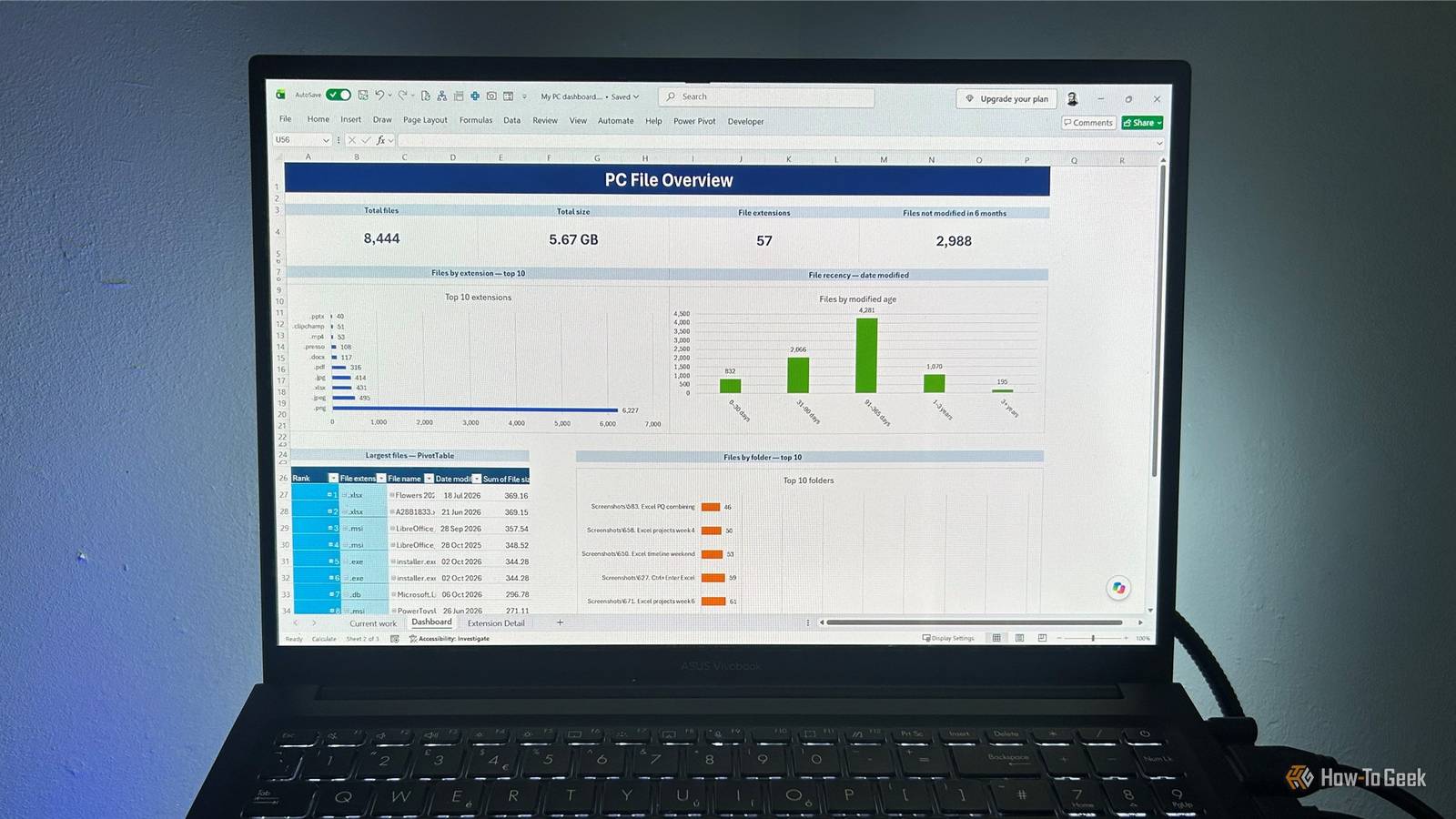
I have built plenty of full work systems in Microsoft Excel, and they work great.Each row acts like its own stack of information, and I can adjust it based on what I need.In fact, I've made a workspace that archives information at midnight, sets a schedule for when to post certain content, and even keeps track of duplicates.
I'd argue that I would rather use Excel than anything else, but most workplaces just want the neat look.Trello is also easier for new people to get used to.Fitness apps charge you to log basic numbers A simple sheet tracks your workouts better Most fitness apps are kind of a scam when you think about it.
They lock writing down numbers behind a monthly subscription and usually try to push their own ideas onto you.Sure, you get the templates and workout plans when you sign up, but you can find good workout plans on Google now.Just make a simple log.
Put dates on the left side, your exercises across the top, and your numbers in the middle.It doesn't matter if you're tracking bodyweight, barbell loads, reps, sets, miles, or calories.A spreadsheet can handle all of it.
Also, instead of paying for analytics, you can just write formulas yourself.You can even see averages, totals, and anything else you need.If you have any trouble, you can ask Gemini, Claude, or ChatGPT for formulas for free.
I actually lost 25 lbs in a month without needing to sign up for an app.I just used a spreadsheet.Since every workout is logged as a new row, checking what you lifted last week is literally just looking it up on your sheet.
That way, you don't need to dig through menus or sort through confusing numbers between sets.You also don't have to deal with price hikes or issues with the internet if you make sure your sheet works offline.QuickBooks is way too expensive for solo work Doing your own books in a sheet is easy I paid for QuickBooks for a year and regretted it.
QuickBooks is meant for tracking money coming in and going out, sending invoices, and getting your taxes in order.But if you're a freelancer, someone who works for themselves, or just running a small side business, it's overkill and way too expensive.Paying every year just to log income and expenses means you're paying forever for something you never actually own.
I do my own taxes, and I'm a freelancer outside my regular job, and I don't need anything more than the spreadsheets I use.I can go into my own accounts and write things down instead of connecting QuickBooks to them and risking my accounts getting hacked if Intuit is attacked.It's actually pretty simple.
You use different sheets in one workbook to track different expenses, and let them add up through the end of the year.I always recommend going over it all once, which you'd have to do anyway to make sure everything is right.Then, you can just manually enter your expenses, and you're good.
It's not worth a year of paying a fee when you can make a sheet for free.In fact, if you just enter the data every time you have to update it instead of waiting for the end of the year, it's like you're barely working anyway.Habit apps make you pay just to check boxes You can track every daily habit for free The app store is drowning in habit trackers and productivity apps that turn everything into a game.
All they ask for is a basic check every day to keep a streak alive, and many charge you money for what is essentially just another spreadsheet but with pretty colors.I've seen plenty of these apps cap users at three to five habits, and then you get hounded with ads for a premium plan.You could make your own spreadsheet and set up an incredibly basic tracker.
Paying a monthly fee just to check boxes on a grid is silly.You can also add a lot more to it, like exactly how much water you've drunk or how much work you've done instead of just a checkmark.Sure, plenty of these apps come with a little character you grow, but most of the time, it is a really shallow attempt at a Tamagotchi.
It tends to be really bare-bones and not worth paying for.Instead, just get a sheet and check things off every day.This won't look pretty unless you make it look good Spreadsheets don't look as nice as apps made for one specific job, and in some workplaces that matters.
If you're handing a dashboard to a client or bringing on a team that's used to dragging cards around, Trello's free tier or a nice-looking app might still make more sense.But if it's just your own work, money, or health, building your own takes an hour or two, and then you never have to pay for it.Microsoft 365 Personal OS Windows, macOS, iPhone, iPad, Android Brand Microsoft Microsoft 365 includes access to Office apps like Word, Excel, and PowerPoint on up to five devices, 1 TB of OneDrive storage, and more.
Price $100/year Developer(s) Microsoft Free trial 1 month $100 at Microsoft $99.99 at Microsoft Expand Collapse
Read More