Smartwatches used to be all the rage.They were—and still are—devices that let you perform many of the same tasks you would typically do on your phone, but from your wrist.However, over the years, smartwatches have become less revolutionary and more iterative, with each new generation offering slightly better displays, marginally longer battery life, and a flashy new feature or two.
While I’ll always have a place in my heart for my smartwatch, I’ve started looking toward what may be next in the smart wearable market.Smartwatches have been in decline Smartwatches have stopped being exciting for years now While new versions of popular smartwatches, such as the Apple Watch and Galaxy Watch, continue to be released, the upgrades have become increasingly minimal from year to year.As a result, many users are upgrading less frequently because their devices last longer, and there is often little reason to replace them.
Personally, I upgrade my Apple Watch every three years, mostly to ensure I have a model that fully supports the latest watchOS updates.Even then, if I gave my old watch to a friend instead of trading it in, it would likely remain useful for years and continue to perform well.But even with smartwatches being better than when they were first introduced, and more people encouraged to wear them for health benefits, sales have been up and down.
This is not because the smartwatches on the market are bad; it’s that people are getting one and only upgrading when the battery degrades, or the watch itself breaks.When smartwatches were first introduced, they were seen as futuristic—you could make a call from your wrist, take an ECG in only a few seconds, and get all the information you needed in the moment without touching your phone.While all of that is still available, wow factors like those are less frequent now, with smartwatch technology somewhat reaching its potential for the moment.
The longer I have had my smartwatch, the more it has become a device that stays in the background of my day-to-day life rather than one I constantly interact with to discover new features or change how I use it.Apple Watch Series 11 Brand Apple Heart Rate Monitor Yes The Apple Watch Series 11 offers the ability to sense high blood pressure and a sleep score similar to many health app competitors.$399 at Apple Expand Collapse Samsung Galaxy Watch 8 Brand Samsung Operating System Wear OS Now thinner and more comfortable, the Galaxy Watch 8 adds new health-tracking features like sleep apnea detection and antioxidant readings.
$350 at Samsung $350 at Amazon Expand Collapse Google Pixel Watch 4 Heart Rate Monitor Yes Color Screen Yes The Pixel Watch 4 is made to work seamlessly with your Pixel (or other Android) device.The domed display offers a fantastic view of anything you need on your smartwatch, from the time to in-depth fitness insights.$350 at Amazon $350 at Best Buy $350 at Google Store Expand Collapse If anything, my smartwatch has become more of an annoyance than a productivity tool.
As it has gained the ability to do more, it has also become more distracting, with the constant stream of notifications that often aren’t the most important.As a result, I have begun moving toward what I believe is the next era of wearables: devices that offer the essentials in the most minimalist design possible.Other devices have the same popular features The most popular features on smartwatches aren't exclusive to them One of the most popular reasons people buy smartwatches today is for their health benefits.
In the beginning, the appeal was having a phone on your wrist—which was undeniably cool—but now, companies are placing a much greater emphasis on the health features their devices offer.As health has become a bigger selling point and a reason for people to invest in smart wearables, companies have started focusing more heavily on features centered around it.This has resulted in devices that remove the most distracting part of a smartwatch—its screen—while retaining many of the health features people value most.
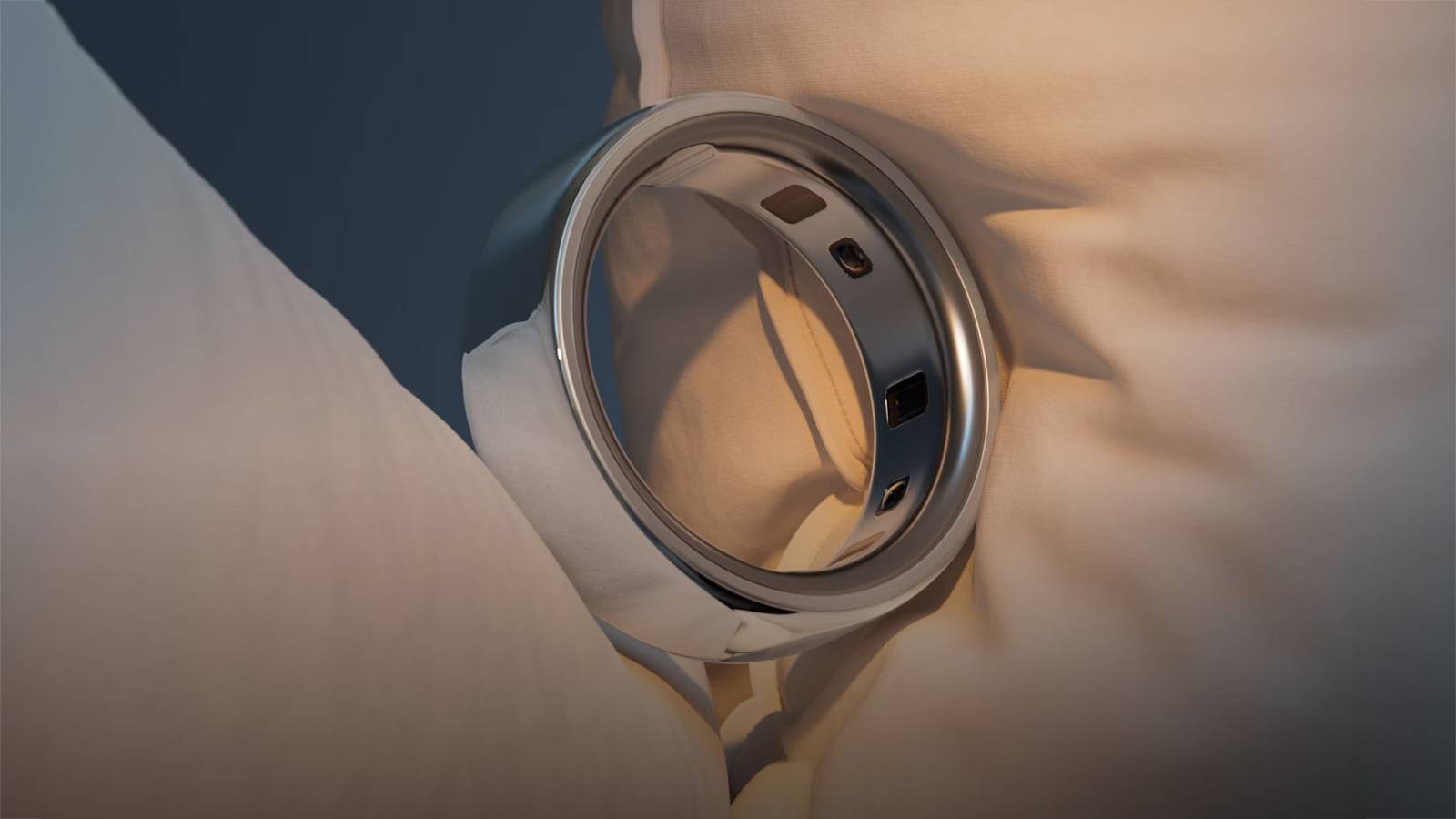
Look at the Oura Ring or Galaxy Ring, which offers many of the same health features as a smartwatch, but in a device that wraps around your finger.It can track your sleep, heart rate, body temperature, and stress levels, just to name a few.Additionally, it offers a different way for people to track their health compared to traditional smartwatch designs.
Many people find wearing a watch to sleep—or even throughout the day—uncomfortable and often take it off as a result.A ring, however, is lighter and can be more comfortable to wear, especially while sleeping.Personally, I have never had an issue wearing a watch all day and rarely notice it unless I consciously think about it.
However, some of my friends, who have been hesitant to wear smartwatches, have told me their main reason is simply that they find them uncomfortable.Oura Ring 4 Heart rate monitor Yes Notification support Through app The Oura Ring 4 is a comprehensive tracker for more than 20 fitness metrics, offers optimal sleep time suggestions, nightly SpO2 tracking, stress level monitoring, and more.$499 at Best Buy $499 at Ōura Expand Collapse Samsung Galaxy Ring Brand Samsung Heart rate monitor Yes The Samsung Galaxy Ring is a smart wearable device that seamlessly integrates health tracking and smart features into a sleek, minimalist ring.
Equipped with advanced sensors, it monitors vital statistics, offers activity tracking, and connects with other Samsung devices for a comprehensive user experience.$400 at Samsung $400 at Best Buy Expand Collapse Apple AirPods Pro 3 Battery Life Up to 8 hours (buds), 24 hours (including case) Charging Case Included? Yes The newest generation of the AirPods Pro has an enhanced ANC, more comfortable foam tips, and a new heart rate sensor on top of features like Adaptive Audio, Conversation Awareness, and Apple Intelligence-powered offline Live Translation features.See at Apple See at Amazon See at Best Buy Expand Collapse But those are not the only devices aimed at the same purpose.
Google’s Fitbit line also includes screenless trackers designed primarily for fitness tracking.With no screen and no notification alerts, the focus stays entirely on health monitoring.With long battery life that can last several days, these devices help keep health data more accurate by staying on the body rather than frequently sitting on a charger.
This applies to other screenless health-tracking devices as well.Apple has even started expanding its health sensors to other devices, most notably the AirPods Pro 3.The latest model includes heart rate sensors that help track calories burned and monitor heart activity when exercising, but not for all-day use.
I have worn a screenless smart fitness tracker for a while now, and I won’t lie: at first, it was a transition from a smartwatch, since I kept looking at my wrist for the time or to read notifications, but that habit faded over time.It has been nice to have something on my wrist that does not distract me every few minutes with reminders to breathe or notifications from apps it thinks I need to see, which I usually do not.It is there to track my health, with everything recorded in the background without manual input.
Having a screenless device has been a good way for me to stay connected to what I find most important, rather than staying plugged into something that can feel overwhelming.Now, there are still many benefits to having a smartwatch over a smart ring or a screenless device.However, smartwatches have started to feel somewhat stale in recent years, as it often delivers the same core experience with only incremental changes from one generation to the next.
I loved my Apple Watch, and at first it helped with productivity, but over time it became a distraction—sometimes by my choice, sometimes by its own constant notifications.Switching to a screenless device has helped me keep track of what I find important—my health—without being easily distracted, and that is the direction many newer wearables are heading.The best technology is the kind you can easily forget you are wearing and only notice when you actually need it.
When you have that, the relationship between you and the device feels more like it’s connected to you than you are connected to it.
Read More