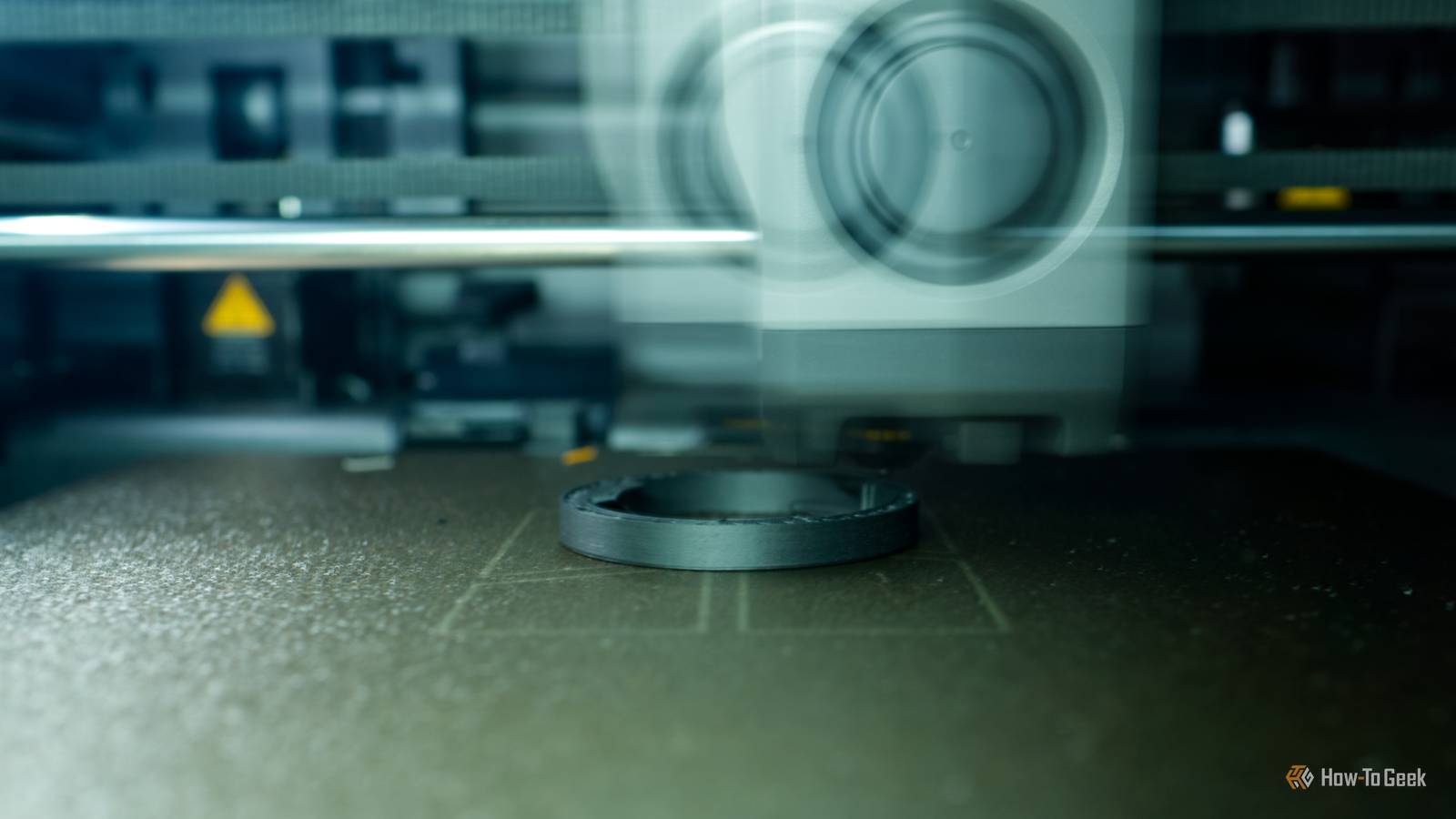
3D prints can be brittle and weak, depending on which materials you use and how you choose to print them.But some prints are designed to be broken, either as part of their core functionality or in order to protect something else.Here are some 3D prints that you might want to break.
Snap-off shims Snap to decide which size you need 3D-printed shims can be made to size and are perfect for installing and fixing doors and windows that are out of plumb.There are two ways you can go about this: draw up and design a shim that fits perfectly every time you need one, or keep a few around and break them down to size with models like the cutaway shim or easy snap waffle shim.While 3D-printed parts are weak enough that bending can cause them to separate at the layer lines, even basic PLA is tough enough to withstand the sort of compressing force that these shims are designed to endure.
They’re perfect for using up those last few grams of filament, too! Tamper-evident seals and locks Designed with a single use in mind Tamper-evident seals and locks are designed to be used just once.You attach them to whatever it is you want to monitor for interference, after which you have to break them in order to gain access.There are a few models to choose from here, including the popular tamper-evident lock and the much smaller tamper-evident bag lock.
Both of these models have an excellent community rating, even if they’re probably not as reliable as commercially available solutions.Assuming you’re not securing police evidence or crime scenes, they’ll probably do the job just fine.Remember that these aren’t designed to keep people out like a standard lock, but rather to break easily if someone attempts to make their way in.
Breakable surprise egg Add a surprise during the pause, then finish the print Close This breakable egg needs to be cracked in order to get to whatever is stored within it.Send it to your printer and then, when the print pauses, fill it with a surprise: toys, candy, or anything else you want.Resume the print and the contents will be sealed up inside, ready for someone to break open.
At only 8g of filament per egg, you don’t need to feel too bad about plastic waste (justmake sure that you recycle or reuse the waste filament when you’re done).Be careful about putting chocolate and other meltable items inside the egg, since the heat from the print bed will cause them to soften.The Death Box Like the surprise egg but less cheery The Death Box follows the same basic principle as the surprise egg above, with a cheeky morbid twist.
This simple yet sturdy print is designed to store a piece of paper, photograph, or other thin object.When the print pauses, add your items, then resume the print to seal them up.To retrieve them—whether that’s after your death or not—the box will need to be broken.
The author has included two models: one’s a bit easier thanks to a weak spot, another that’s a lot harder to break.This doesn’t have to contain your last will and testament or instructions following your demise; you could use it to enclose a private note, the answers to a quiz, or anything else you want to save for a big reveal.Alternatively, print it using something sturdy, put a photo of yourself and a small blurb about who you are, and bury it in the backyard or entombed in the walls of your house as a time capsule.
Drone propeller guards Break cheap guards, not propellers 3D-printed drone propeller guards are surprisingly popular, even though drones still feel like a relatively niche gadget.There are guards for a wide variety of models like the DJI’s Avata 2, Lito, Mini 3, and Mini 2 (SE).There are many more models online, from entire protective cages to generic prop guards for other drone types.
These lightweight prints shouldn’t add a ton of weight to your drone when printed using light material.Some call for TPU for added flex, but most use cheap PLA that’s easy to print and cheap to replace should the worst happen.While it’s debatable that these are to be broken, it’s certainly to break these as opposed to a more expensive part of your drone like the chassis or propeller.
Beyond protecting a flying machine you may already own, did you know you can also use your 3D printer to create your own drone?
Read More