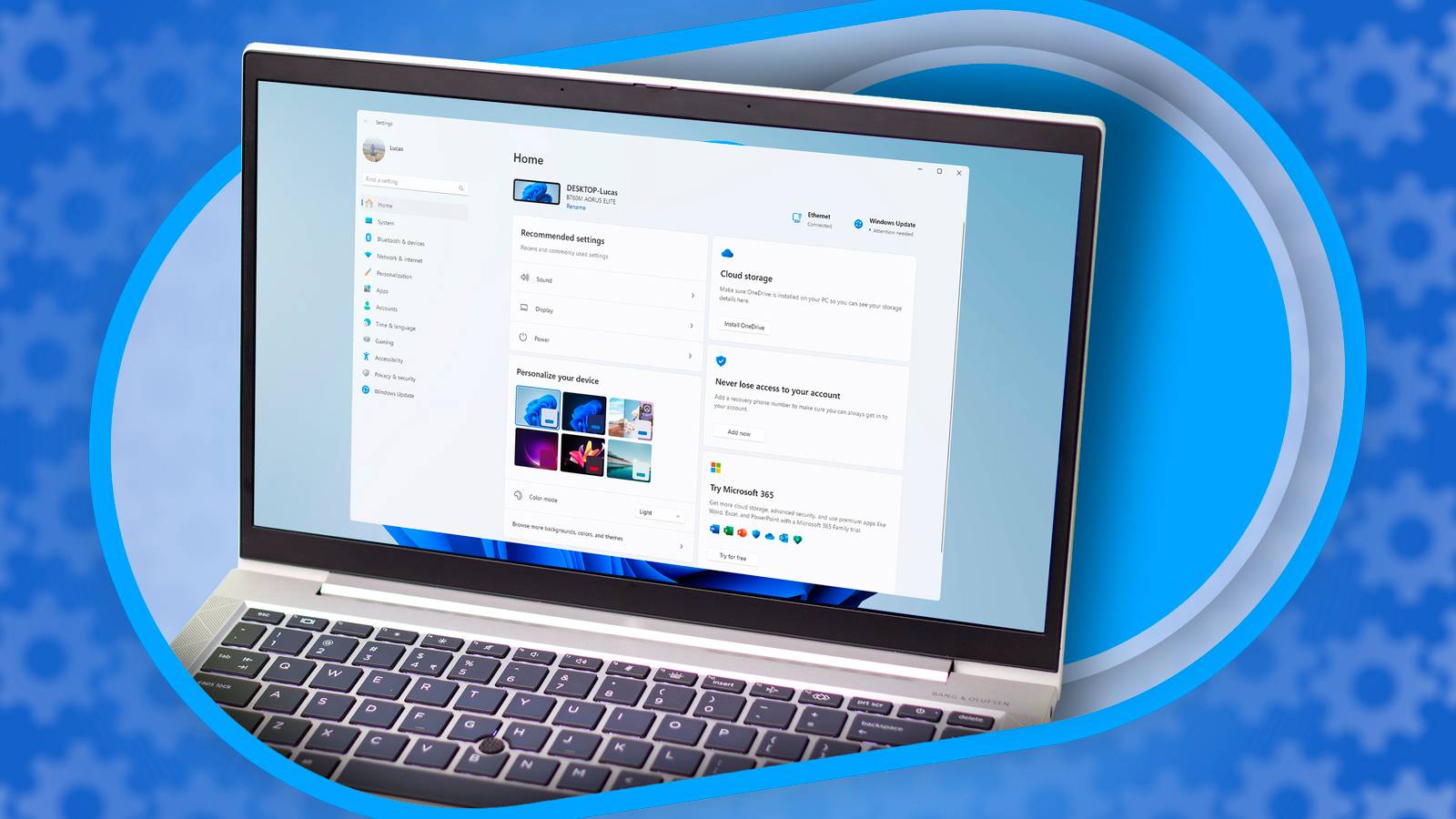
The Windows Settings app has gone through extensive overhaul and modernization.While that's a big win in many cases, including the UI, there are still so many things missing from it that rely on the Control Panel.Even in 2026, as of writing this, we still use the Windows Control Panel for a lot of advanced tinkering.
One particular shortcut, sysdm.cpl, is living proof of why the Control Panel still exists and why we still need it despite having the Settings app.What sysdm.cpl actually is A shortcut older than many of our readers sysdm.cpl is a System Applet for your Windows PC's Control Panel.With this, you can open the classic System Properties window.
I say classic because it's been there since Windows 95.It contains many advanced system configuration settings, including user profiles, remote assistance, and environment variables.To open the window, open the Run box with Win+R and simply type the sysdm.cpl command.
You'll be welcomed by a few tabs, the first one being Computer Name.The other tabs offer some interesting settings that you might want to know about.The System Protection tab is where the real power lives This is where System Restore gets configured The fourth tab on the window is System Protection.
You can consider this the real goldmine here.It's the control center for Windows' important safety net: System Restore.If you ever accidentally break something, it can roll back your device to a state where everything was working fine.
Close From this tab, you can turn protection on or off for each drive.You can allocate disk space for restore points, so that they don't take too much space.If there's a Windows update you're not too sure about, or you are attempting something risky, you can manually create a restore point here to go back to.
Related 12 Windows Key Shortcuts I Use Every Day Where would I be without the Windows key? Posts 5 By Chifundo Kasiya Settings never rebuilt this It just points back without a new interface Coming back to the main point now.Shouldn't all of these have been possible to do from Windows Settings? There are so many things there, including settings to make your PC faster.But not anything related to System Protection.
Well, technically there is.If you go to System > About, then open the Device info dropdown, you'll see a related link for System Protection.However, don't expect it to open some fancy new aesthetic settings window.
It just points to the old System Properties dialog I've been talking about.Microsoft never really rebuilt this feature inside Settings.It only gave you a redirect.
And honestly, most people won't even use it to begin with.Most experienced Windows users will just prefer typing the command in the Run box or PowerShell.Microsoft knows the gap exists Decades of backward compatibility are in the way To give the benefit of the doubt, Microsoft isn't just sitting around doing nothing.
In April 2026, March Rogers, a Partner Director of Design at Microsoft, confirmed on X that they are actively working on migrating all Control Panel settings to the modern Settings app.That does give me hope.However, as you can read from the same reply, it's going to take a while due to all the network devices, printer drivers, and all the legacy hardware configurations that still depend on the old Control Panel system.
That's a good approach.Still, System Protection didn't get any dedicated redesign announcement and remains stuck in that old workflow.Related Will Microsoft ever truly "fix" Windows? The high cost of Windows compatibility Doomed to repeat the mistakes of history Posts By Sydney Butler This isn't an isolated case sysdm.cpl has more than one trick up its sleeve While System Protection might be the most used setting that sysdm.cpl has, it's not the only useful one.
The Advanced tab, for example, allows you to tweak virtual memory settings and performance options.You can rename your computer or join a domain using the Computer Name tab.The Remote tab handles the remote assistance permissions.
In case you're wondering, none of these have any proper equivalent in the Settings menu either.Sure, you can rename your PC in Settings too.However, joining a workgroup domain or Remote settings just sends you back to the same window.
From this observation, it's clear that Settings covers the basics but quietly depends on decades-old dialog boxes for the more advanced stuff.Old dialog box still doing the heavy lifting Until Microsoft actually rebuilds System Protection, virtual memory management, and domain settings natively inside Settings, sysdm.cpl remains the fastest and most reliable way to get these things done.So the next time you need to tweak any of these, launch the Control Panel and do it the old-fashioned way.
Read More