
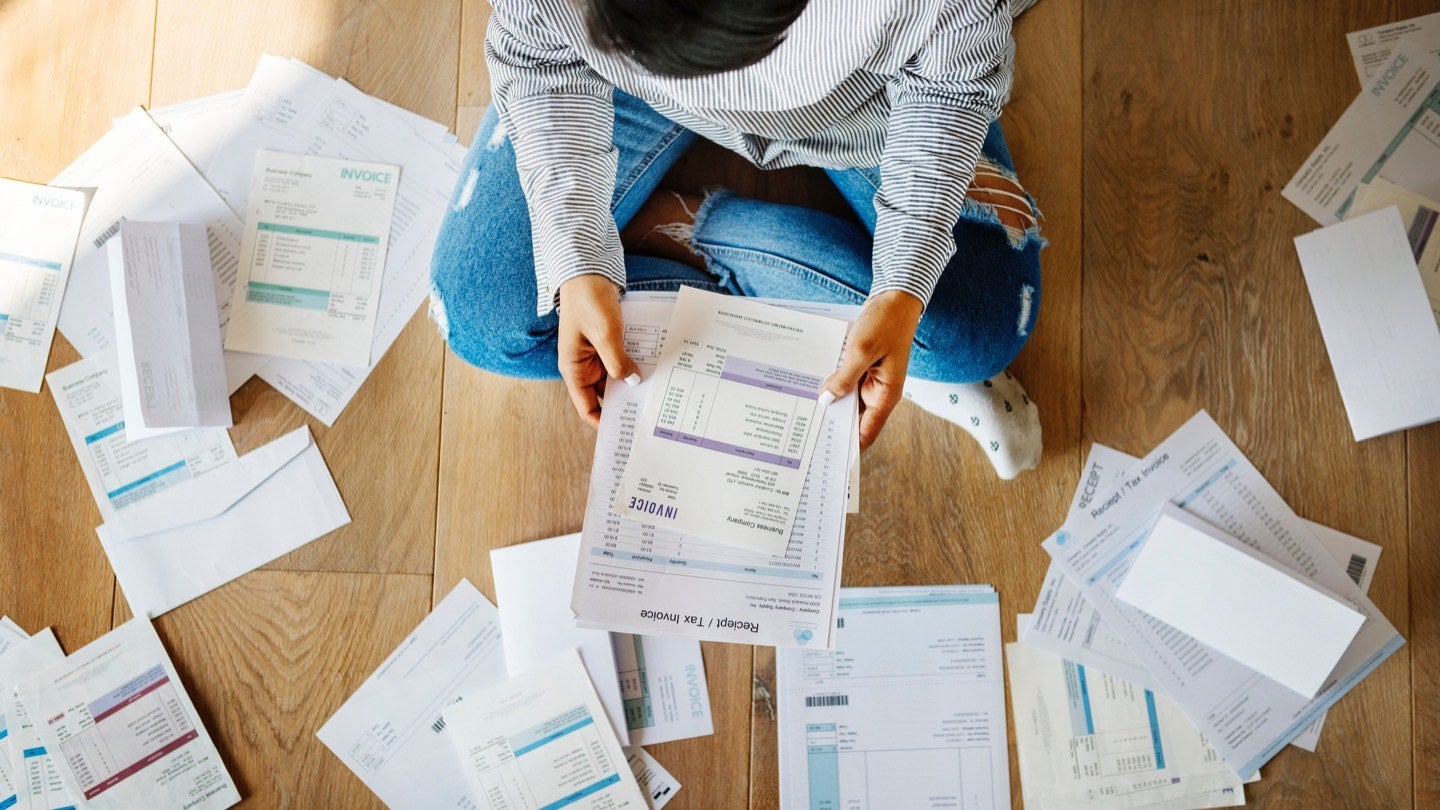
A common occurrence for internet customers is receiving a monthly statement that differs significantly from the internet deal they signed up for.When an advertised internet plan doesn’t match what’s on your monthly statement, it’s often due to hidden fees, like equipment, installation and regulatory costs.This pricing structure, where extra costs are not always visible up-front, can make it difficult to determine which internet plans are the most cost-efficient. Meanwhile, other home utilities, such as your power bill, clearly outline each fee on your monthly statement, per government and industry regulations.
The resulting price transparency leads to a more satisfying customer experience.With that in mind, our internet experts examined all the ways broadband billing could take a page from utility companies’ playbooks to simplify Wi-Fi cost structure.Keep reading to discover the hidden internet fees to watch out for, the steps ISPs are taking to offer more transparent broadband pricing and which internet service providers (ISPs) offer straightforward rates. Jump to: Hidden costs of internet plans What energy bills get right Internet pricing problems What ISPs could learn from utility billing What you can do to get transparent pricing Hidden costs of internet plans Hidden costs are unexpected fees that are tacked on to your monthly internet bill.
Hidden fees may be smaller charges, but over time, the expense can be huge.That’s why knowing what to watch when shopping for cheap internet will help you spot key details that could increase your home internet price. Common hidden fees include: Installation and equipment fees Activation and/or shipping fees (often present with self-installed internet) Overage fees for internet plans with data caps Sudden price hikes after promo periods Streaming or equipment fees that are free or included, but only for a limited time What energy bills get right In contrast to ISPs, electricity companies (particularly in deregulated states) have to abide by strict guidelines for itemized billing.Energy providers must adhere to their state’s utility commission standards. When you read your electricity bill, you can quickly determine: Kilowatt-hours (kWh) used Electric Supply charges Monthly usage compared to the previous 12 months Area-specific market charges, taxes or clean energy riders Utility Distribution Company (UDC) charges (in deregulated states only) Reading the fine print on your utility agreements is always best practice, but it can be hard to do, especially if you are setting up services amidst moving to a new home or other busy life events.
A customer-friendly practice is to voluntarily ensure that all fees and taxes are clearly stated, so a potential customer doesn’t have to be a detective to determine the actual price.Fortunately, several ISPs have streamlined plans that offer a straightforward cost summary of fees, speeds and terms, so you know how much your internet actually costs. Internet pricing problems Transparent broadband pricing was bolstered by the Broadband Label standards within 2024’s Infrastructure Act.This act required “broadband providers to display at the point of sale clear, easy-to-understand, and accurate information about the cost and performance of broadband services.” Despite an initial study showing positive results with a better comparison-shopping experience for customers, the FCC began rolling back these guidelines just a year later, allowing ISPs to once again omit or obscure certain fees. What ISPs could learn from utility billing Ideally, ISPs should consider the customer satisfaction impact and voluntarily keep to the higher standards of the original Broadband Label format.
Not only does transparent pricing help customers, but it also builds customer confidence and loyalty with the ISP they choose. By examining utility companies’ success with standardized billing formats, we identified additional steps internet providers could implement to help customers compare services, such as: Standardize billing framework for all providers Present a visible breakdown (not in the fine print) of all fees.These include the base rate, required fees, necessary or optional equipment costs, data caps or overage charges, etc. Clearly state the promotional period and post-promotional rate, as well as a timeline for future rate increases Provide historical data on Wi-Fi usage, similar to the kWh charts on energy bills Create an easy-to-use cost calculator that displays the total monthly costs for each internet plan or internet bundle Explicity state if any ‘included’ plan benefits (equipment, streaming services) will be automatically billed after a certain time period What you can do to get transparent pricing Broadband pricing transparency is vital for consumers to understand their internet bill breakdown when their first statement arrives.Advocate for yourself by using these tips to ensure you know exactly what you are signing up for.
Customers seeking straightforward internet pricing should always: Compare internet plans with a trusted source Carefully read the FCC Broadband Label and any other fine print associated with the plan.Ask for this information from your customer service representative if you are signing up in person or over the phone Inquire about promotional period duration and post-promo pricing (including temporary ‘included’ benefits, e.g., free streaming services) Re-verify total monthly cost with all fees, taxes, equipment and other charges included Confirm whether a contract or early-termination fee is part of the plan Another tactic is to shop among home Wi-Fi providers that offer clear “all-in” rates or long-term guaranteed prices.All-in pricing includes taxes and fees in the advertised rate, so there are no surprises when you get your bill.
You could also try a prepaid internet plan where you pay your bill at the beginning of each month.Companies with all-in pricing or prepaid options include Spectrum, Xfinity, Cox, AT&T, Verizon Fios and more.
Ready to find your internet options? Allconnect compares the best providers in your area to help you shop smart.
Enter your ZIP code to view internet plans available near you
What to read next
Read more
Featured
Broadband ‘nutrition’ labels go live
Robin Layton —
2 min read
Featured
Americans are getting 298 Mbps in download speed, but are you?
Robin Layton —
5 min read
Featured
Hidden costs of a connected home
Camryn Smith —
6 min read
Latest
Monday, December 8, 2025
Utility price transparency: What broadband can learn from your energy bill
Lisa Iscrupe —
4 min read
Thursday, December 4, 2025
Cable giants look for growth opportunities in the mobile wireless world
Camryn Smith —
4 min read
Wednesday, December 3, 2025
New Xfinity customers can lock internet pricing for 5 years
Robin Layton —
1 min read


