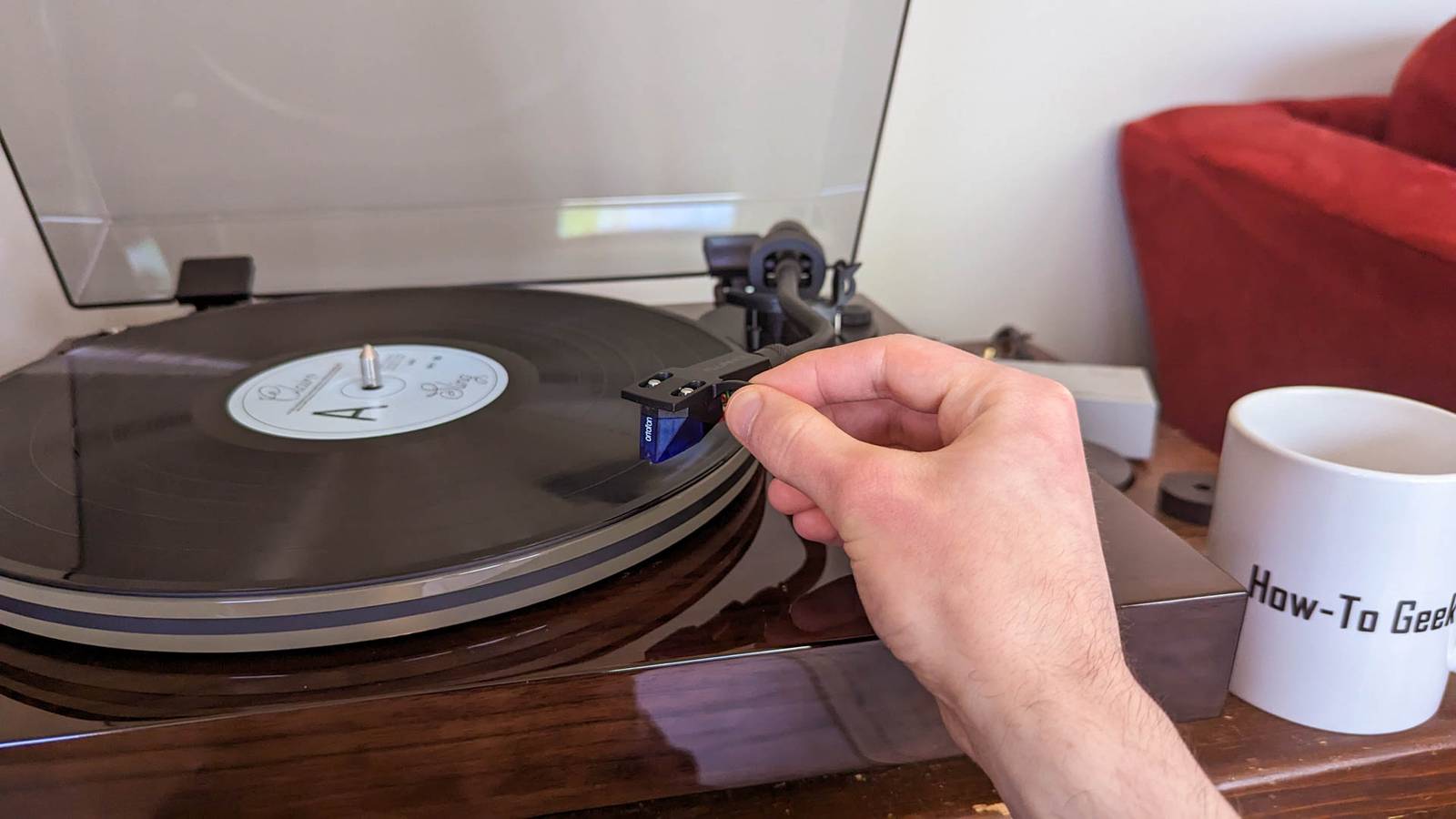
Vinyl records are one of those nostalgic technologies that everyone loves, and they've recently seen a resurgence of popularity.However, if you're looking for quality—especially if you're using a modern amplifier—there is a cheaper, better option.What is wrong with vinyl records? You may already know the answer Vinyl records are a great medium if you're into that nostalgic snap, hiss, and pop, but they have some serious physical limitations that make them inferior to modern digital standards from a technical perspective.
Vinyl records have a limited frequency response and dynamic range Whenever you listen to music, the frequency and the dynamic range define both what you hear and how you experience it.Frequency defines how low- or high-pitch a sound is.For example, a low frequency, deep, thumping bass line might fall somewhere between 30Hz and 40Hz.
A high-pitched violin might produce sounds from about 200Hz up to a few thousand hertz.Dynamic range describes the difference in loudness between the quietest possible sound and loudest possible sound.Related 10 Essential Audio Terms Every Beginner Should Know It's some form of Elvish, I can't read it.
Posts 2 By Sydney Butler So, how do those traits relate to vinyl records? One of the fundamental limitations of vinyl records comes from how they produce sound.As a needle moves across the record, a series of small bumps in the grooves are converted into an electric signal, which is then converted into sound.Eventually, you run into an issue producing sound at both the low end and the high end.
As the bumps get closer together, which correspond to higher frequency sounds like whistles or violins, it becomes harder to ensure the needle neatly tracks across each one.Related How Are Vinyl Records Made? We know vinyl records sound great, but do you actually know how they're made? Posts By Suzanne Humphries Bass sounds suffer from a related problem.Because the bumps in the groove that produce bass sounds are both further apart and need to be taller, the needle can sometimes skip out entirely like a skateboarder off a ramp, which would produce an unpleasant sound while you were listening to it.
To reduce the impact of those problems, records effectively drop the volume of the bass notes, and then artificially increase the amplitude of those frequencies on the record itself—an approach known as RIAA equalization.However clever that solution may be, it still doesn't solve the fundamental limitations of the technology, and places an unnecessary restriction on musicians and audio engineers.While the analog nature of vinyl records makes it difficult to pin down values like sampling rate and bit depth, their practical max frequency is usually about 25KHz.
The bit depth is limited by the maximum size of the bumps before the needle starts ramping out or skipping over them.Variability in the vinyl material itself, the manufacturing process, and the needle that you're using makes it difficult to state conclusively that vinyl record has the equivalent of 16-bit depth, but they tend to float in the low to mid-teens.They're bulky Above and beyond their limitations as a medium for reproducing sound, vinyl records have another problem: they're large and heavy.
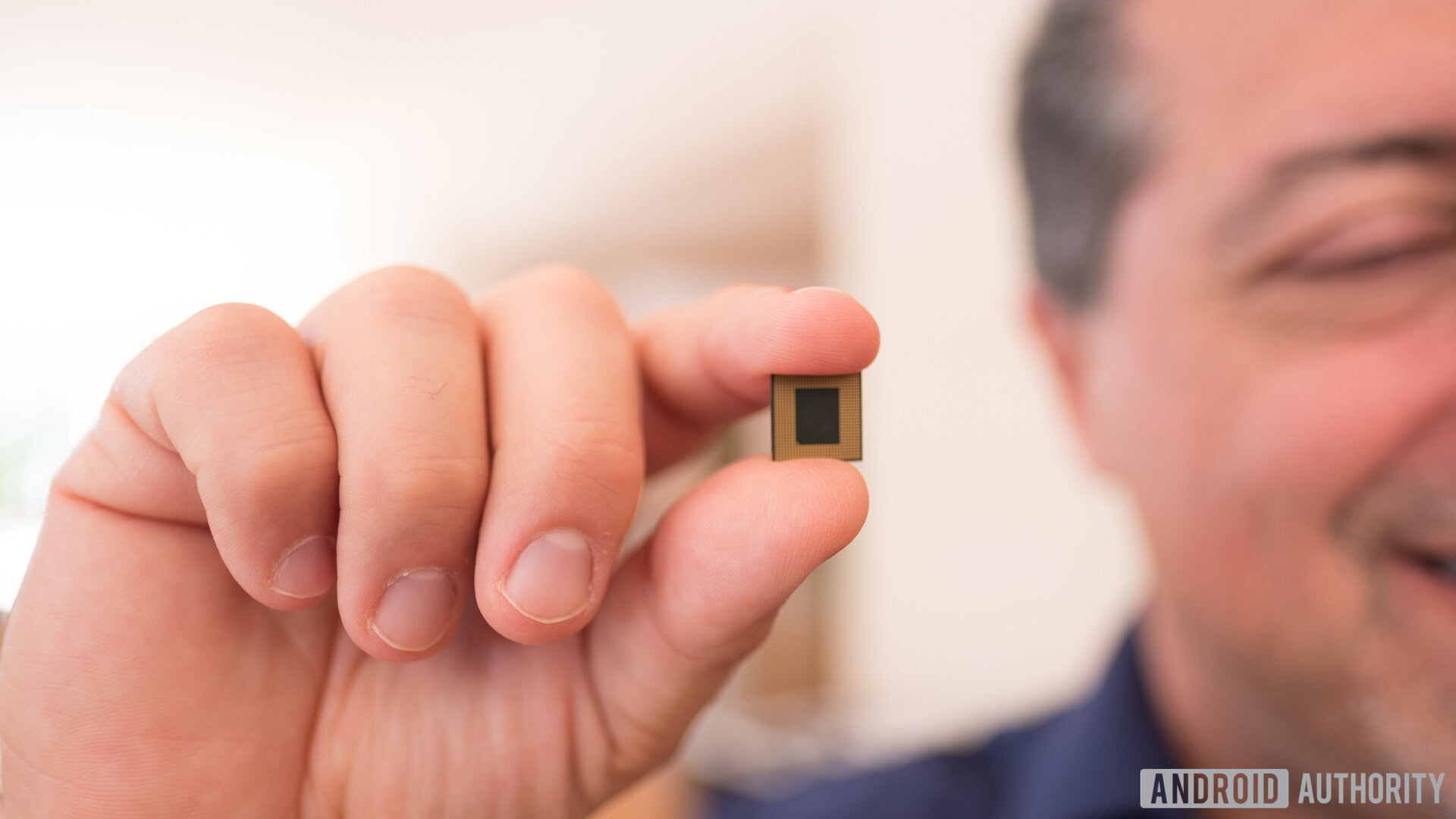
If you want a collection of a few tens of thousands of songs, you'll need some 2,500 vinyl records, which would likely weigh in at around 750 pounds, not to mention the they take up.On the other hand, you can buy a microSD card that is smaller than a dime that could readily hold several hundreds of thousands of songs.Digital is better Clarity and depth Unlike vinyl records, which are inherently limited because they're analog devices, digital is really only limited by how much effort you're willing to invest in recording and playback equipment.
You can buy individual music files that have sample rates above 300,000KHz, and bit-depth—a measure of dynamic range—is commonly seen up to 24 bits.Exceptional recordings made with expensive equipment may have a bit depth of 32 bits—enough for at *least* 192dB dynamic range, but it could be more than 1,500dB, depending on the standard in use.Ditch streaming, rip old CDs instead Build a physical media collection and mirror it digitally Streaming is incredibly convenient, but it comes with one pretty serious drawback: You don't own any of it.
Most major streaming companies have been subject to lawsuits when they pulled a song, movie, or television show from their service that someone "purchased." If you want the convenience of digital without worrying about whether Apple or Spotify are going to pull the rug out from under you, there is an inexpensive fix.I've purchased a ton of CDs in recent years from yard sales, Facebook marketplace, and other second-hand markets.Often, you can get one CD—which is 12–20 songs—for less than a dollar each.
If you spend the equivalent of a Spotify subscription per month ($15), you can net yourself anywhere between 180 and 300 songs per month.After a year, you'll have 2160 to 3600 songs.That is 180 different albums.
Deals Score storage deals for ripping CDs and building media servers Explore discounts on storage and networking essentials for digitizing and safeguarding your music: find savings on microSD cards, external optical drives, SSDs, NAS enclosures, and routers—everything to build a compact, reliable media setup.Deals Explore Storage & Networking Deals A quick skim of my liked songs on Spotify, which stood as my primary music-listening method from 2014-2025, only has 1600 different songs.Considering I've been paying for Spotify for more than ten years now, I would have saved money if I'd collected most of those songs by purchasing CDs, even if I'd had to purchase some new CDs from the store to catch the latest releases.
Once I had the CDs, I saved digital copies of them to my PC and backed them up to multiple locations.Now, I have a personal media server running in my car that only contains music that I own.I have a home media server that doesn't get taken out by an internet outage, or a change in licensing terms.
Luckily, digitizing CDs isn't particularly difficult or expensive.Almost any external CD drive will work.Those start at about $20, though more expensive models that can handle Blu-rays range over a hundred bucks.
Once you have an external CD drive, you can use software like MusicBee to copy the files to your PC, and they're yours forever.ORIGBELIE External CD/DVD Drive Ports USB-A, USB-C $20 at Amazon Expand Collapse Your CD collection can always travel with you After they're digitized, you have a whole range of options available.I've been cloning them to a media server that I keep in my car, which has freed up an enormous amount of space on my phone.
However, you could easily just keep them on your own PC, or create your own local music streaming service for your home.
Read More