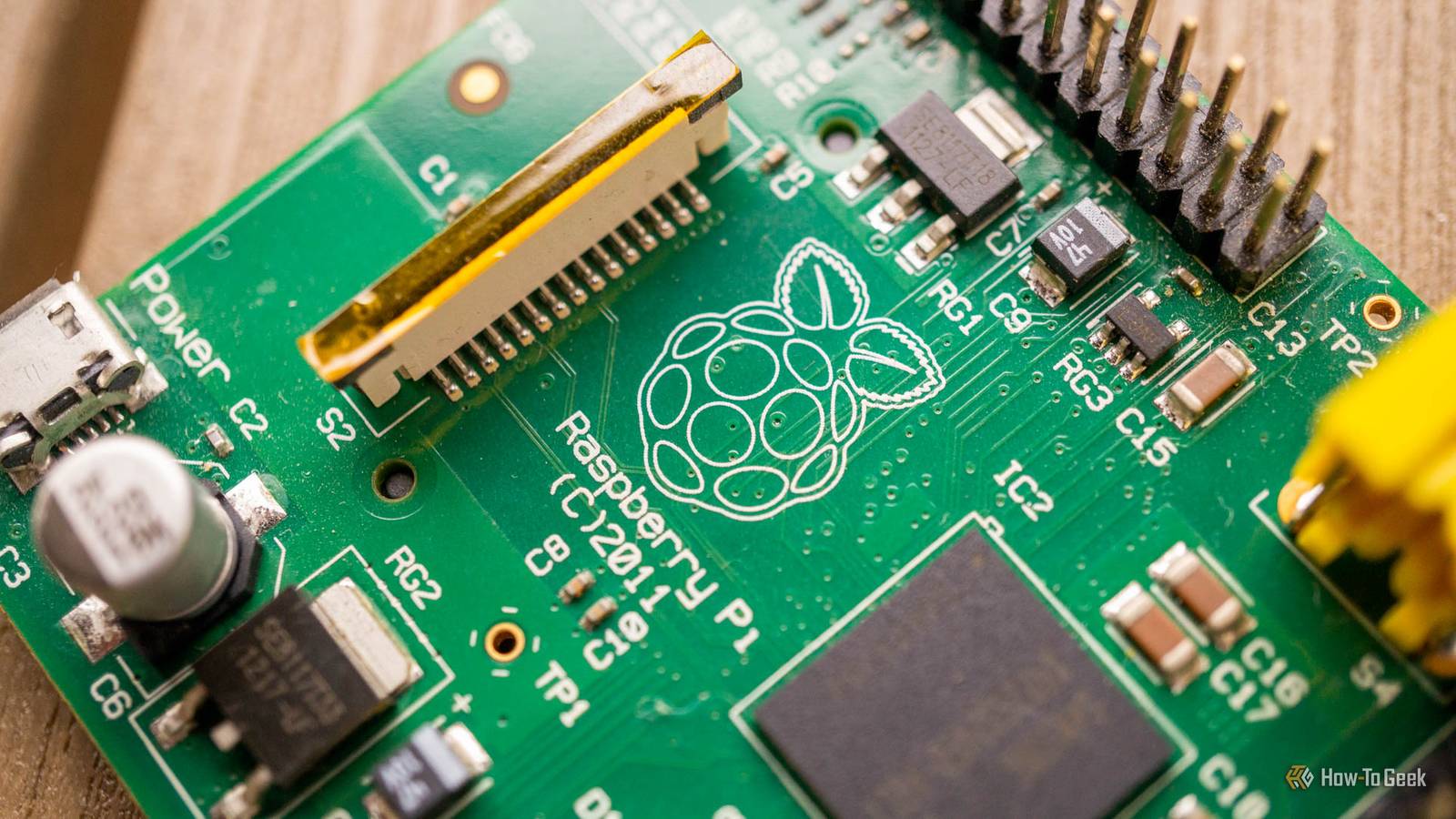
Raspberry Pi has always been associated with tinkering, modification, and making hardware do things it wasn’t designed to do.Now, the company has publicly confirmed that it has been quietly locking its boards to factory-configured RAM capacities through firmware.So, if you were planning a RAM swap—whether for a repair or an upgrade, the message is now on the record: it won’t work.
This seems like an odd restriction for a platform built around DIY projects, but Raspberry Pi has a legitimate reason for putting it there.Scammers ruined RAM swaps Raspberry Pi wants to stop them Raspberry Pi Engineer and forum moderator PhilE acknowledged on the company’s official forum that the firmware-level restriction on RAM upgrades and repair is in place to tackle shady resellers.Third parties were purchasing low-spec Pi boards, replacing the onboard RAM with chips of uncertain quality and selling them as higher-capacity models.
This left buyers in the lurch as the modified boards were untested, while Raspberry Pi absorbed the support calls.Locking the RAM configuration in firmware makes that kind of manipulation considerably harder.It reduces the chances of users unknowingly buying modified or potentially unreliable hardware from resellers.
The lockdown reportedly started rolling out in 2024, so this isn’t attributed to AI-driven demand that pushed RAM prices into uncomfortable territory.DIY crowd gets caught in the middle But most users won’t feel the pinch However, there’s a caveat—the firmware doesn’t identify whether the RAM swap is done by a reseller or a hobbyist.Replacing the memory with another chip of the same capacity may also result in failure.
So, legitimate repair jobs and genuine DIY modifications get caught in the same net as the fraud it was designed to prevent.This makes the change frustrating for Raspberry Pi’s maker community.Fortunately, not every Raspberry Pi project needs more memory.
Home automation hubs, retro gaming setups, and media servers should run comfortably with whatever amount of RAM the board originally shipped with.But it stings for heavier projects that will eventually run into memory limitations with no upgrade path in between.Related My favorite Raspberry Pi feature is too often overlooked A Raspberry Pi might be a single-board computer, but it's easy to make it a multi-OS system.
Posts 13 By Patrick Campanale A firmware lock reduces hardware fraud, but it takes away the flexibility that has made Raspberry Pi so appealing.That’s an uncomfortable trade-off for genuine DIY enthusiasts who may now have to work with whatever RAM the board ships with.Source: Raspberry Pi forum via TechRadar
Read More