Smart homes let you control your devices remotely, but the true power comes from automation.Having your lights turn on when you walk into a room beats having to pull out your phone or tap a button on a dashboard.It's easy to fall into the trap of creating automations with the wrong focus, however.
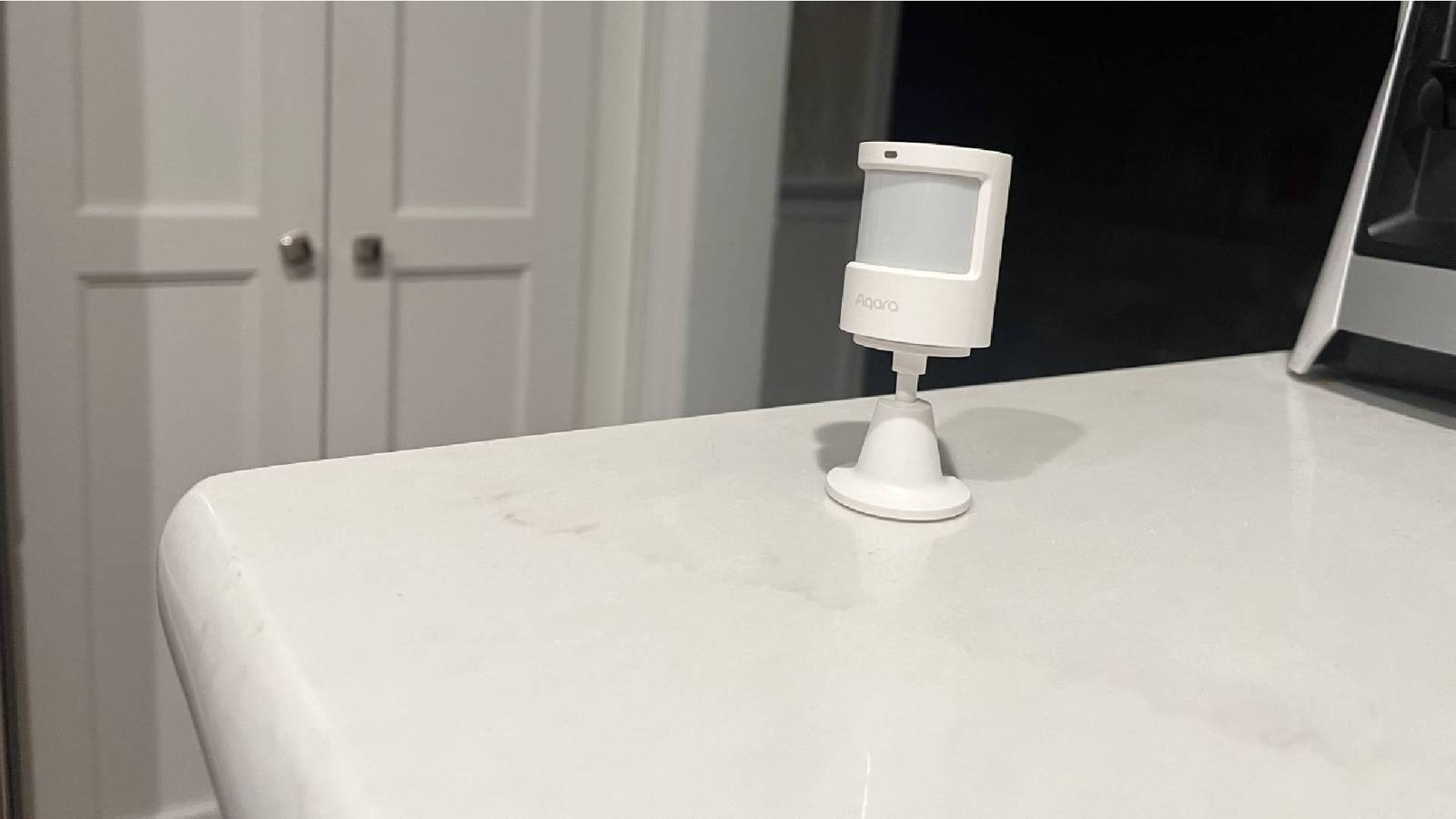
"If motion then light" feels smart (until it doesn't) Smart home ecosystems such as Amazon Alexa and Apple Home allow you to build fairly simple automations.They take the basic form of "if this happens, do this." For example, if a motion sensor is activated, turn on the light.This automation will do exactly what it says it will.
When you walk into a room, the motion sensor will detect motion, and the light will turn on.Initially, it feels like the automation is perfect.The problem is that, on its own, the automation will turn on your light and never turn it off again.
Unless you turn it off manually, the light will stay on 24/7 whether you're in the room or not.If you leave the room, the light will stay on, and if you come back into the room, the automation will run again unnecessarily, despite the fact that the light will already be on.Building an automation designed to trigger a specific action will work for the simplest cases, but in most instances, you won't end up with the results that you want.
Instead of focusing on actions, a more effective approach is to focus on outcomes.Related How to Create Smart Home Automations That Are Personal to You and Your Family Use this simple approach to identify what you can automate around your home Posts 1 By Ben Lovejoy Why outcome-based automations make your smart home better Outcome-based automations don't focus on the actions you want to trigger.Instead, they focus on the outcome that you want.
You can then build the automation to make that outcome a reality.In the motion-activated lighting example, the outcome is that you want the room to have a reasonable level of lighting whenever someone is in it.The outcome itself is simple to define; making it a reality is more of a challenge.
Starting with your outcome, a few things become clear.You don't need to turn the light on if it's already on.You don't need to turn the light on if there's enough daylight in the room already.
There's no need for the light to stay on if no one is in the room, and you definitely don't want the room to go dark when someone is in it.Once you have a clear picture of what your outcome entails, you can then start to build an automation that achieves that outcome.It will be a lot more complex than simply "if motion, then light," but it will also achieve your desired outcome, which "if motion, then light" simply doesn't do.
Context is the secret ingredient you're missing The missing ingredient that turns simple automations into ones that can give you the required outcome is context.There's some key information that is necessary for this automation to do what you want.It needs to know how dark the room currently is, whether the light is already on, if someone is in the room, what time you want the automation to run, and more.
That means you need to provide that context somehow.Your motion sensor may include a lux sensor that can tell you how dark the room is, and your smart home system will know the current time.The challenge is determining occupancy, which motion sensors cannot do alone.
The most effective solution is to use a sensor that can detect occupancy, not just motion.If you only have a motion sensor, you can use a workaround by building a delay period into your automation that resets every time motion is detected.For example, you could set the automation to turn the light off after 30 minutes.
If motion is detected, the timer restarts, so that if you're in the room, it shouldn't go dark unless you sit completely still for half an hour.Basic smart home ecosystems may not cut it If you're using a smart home system such as Alexa or Apple Home, trying to create an automation that factors in all of the context signals is a challenge.These systems offer very limited conditional logic, making more complex automations impossible.
It might be possible to use a combination of multiple automations to try to get the outcome you want, but this will be a tough ask.Ultimately, if you want to create solid outcome-based automations, you'll be better off using a more powerful smart home system, such as Home Assistant.How-To Geek Report: Subscribe and never miss what matters Unlock your tech-savvy potential and master the digital world with How-To Geek.
Subscribe By subscribing, you agree to receive newsletter and marketing emails, and accept our Terms of Use and Privacy Policy.You can unsubscribe anytime.With Home Assistant, you can include multiple conditions and include logic to ensure that your automation gives you the outcome you require.
It will be a much more complex automation than "if motion, then light," but it will be one that actually works.I'm a firm believer that automation is the core of any good smart home.Controlling your devices from an app, a dashboard, or with your voice may be convenient, but the reality is that you're still effectively just pushing buttons.
True automation makes your smart home do the work without you needing to do anything yourself, but it's only truly effective if your automations are focused on the outcomes you want.
Read More