More buyers in the U.S.want an SUV that can basically replace several vehicles at once.It has to be comfortable for commuting, practical for family life, and still feel a bit premium without going full luxury-price headache.
That’s where this Japanese SUV quietly stands out.It’s moved closer to luxury territory while keeping its mainstream roots and sensible pricing intact.With strong powertrain choices, a well-finished cabin, and solid long-term ownership numbers, it makes a surprisingly strong case over time.
It’s more about real-world ease than badge appeal, and that’s exactly the point.In order to give you the most up-to-date and accurate information possible, the data used to compile this article was sourced from Mazda and other authoritative sources, including CarEdge, Edmunds, the EPA, iSeeCars, J.D.Power, and TopSpeed.
Related 10 budget-friendly SUVs that rarely need repairs Budget-friendly and dependable: these SUVs won't break the bank.Posts By Tyler Dupont Why SUVs became the default choice for American drivers Space, comfort, and flexibility pushed them from niche to necessity SUVs have basically become the default daily driver because they just handle more of life’s needs than sedans or sports cars can.You get space for cargo, all-weather confidence, a higher driving position, and enough versatility to cover commuting, errands, road trips, and family duty without needing a second car.
That shift has also raised the bar.Buyers don’t just want practical anymore; they want something that feels refined, drives well, and comes loaded with comfort and tech that makes everyday use easier.Luxury brands deliver that, but often at the cost of higher prices, faster depreciation, and pricier maintenance bills.
Quiz 8 Questions · Test Your KnowledgeHybrid SUVs TodayRead on and test your knowledgeFrom plug-in power to hybrid efficiency — how well do you know these cutting-edge SUVs?HyundaiMazdaLexusToyotaHybrid TechBegin 01 / 8HyundaiWhat is the maximum seating capacity of the Hyundai Palisade?A6 passengersB7 passengersC8 passengersD9 passengersCorrect! The Hyundai Palisade can seat up to 8 passengers, making it one of the more spacious three-row SUVs in its class.This generous capacity helps it compete directly with vehicles like the Kia Telluride and Ford Explorer.Not quite — the Hyundai Palisade seats up to 8 passengers.Some trim configurations offer captain's chairs in the second row, which reduces capacity to 7, but the standard layout is an 8-seat configuration.Continue 02 / 8MazdaWhich engine configuration does the Mazda CX-90 PHEV use to generate its combined system output?AA turbocharged 2.5L four-cylinder paired with an electric motorBA naturally aspirated 3.3L inline-six paired with an electric motorCA rotary range extender paired with a high-voltage battery packDA 2.0L Skyactiv-X engine paired with a mild-hybrid systemCorrect! The Mazda CX-90 PHEV combines a turbocharged 2.5L four-cylinder engine with an electric motor to produce a combined output of 323 horsepower.
This plug-in hybrid setup allows for a meaningful all-electric driving range alongside robust gasoline-powered performance.Not quite.The Mazda CX-90 PHEV uses a turbocharged 2.5L four-cylinder engine paired with an electric motor, producing a combined 323 horsepower.The rotary engine appears in Mazda's MX-30 R-EV, not the CX-90.Continue 03 / 8LexusWhat type of hybrid system does the Lexus NX 450h+ use?AMild hybrid (MHEV)BFull self-charging hybrid (HEV)CPlug-in hybrid (PHEV)DHydrogen fuel cell hybridCorrect! The Lexus NX 450h+ is a plug-in hybrid electric vehicle (PHEV), meaning its battery can be recharged from an external power source.
It offers a usable all-electric driving range, making it ideal for short daily commutes on battery power alone.Not quite.The Lexus NX 450h+ is a plug-in hybrid (PHEV), not a standard self-charging hybrid.The '450h+' designation in Lexus nomenclature specifically signals plug-in hybrid capability, whereas the NX 350h is the standard self-charging hybrid variant.Continue 04 / 8ToyotaWhat distinctive body style sets the Toyota Crown Signia apart from the standard Toyota Crown sedan?AIt is a traditional three-row SUV with a boxy profileBIt is a lifted sport wagon with a fastback-style rooflineCIt is a coupe-SUV with a steeply raked rear windscreenDIt is a minivan-SUV crossover with sliding rear doorsCorrect! The Toyota Crown Signia is a lifted sport wagon featuring a flowing fastback-style roofline, giving it a sleek and distinctive silhouette.
It bridges the gap between a traditional SUV and a wagon, offering practicality with a more stylish, road-hugging aesthetic.Not quite.The Toyota Crown Signia is a lifted sport wagon with a fastback roofline, not a conventional boxy SUV or coupe-SUV.Toyota designed it to offer a more elegant alternative in the SUV space while retaining ample cargo and passenger room.Continue 05 / 8Hybrid TechWhich of these vehicles is NOT available with a plug-in hybrid (PHEV) powertrain option?ALexus NX 450h+BMazda CX-90 PHEVCHyundai PalisadeDToyota Crown SigniaCorrect! The Hyundai Palisade is not available as a plug-in hybrid — it is offered with a traditional gasoline V6 engine and an optional standard hybrid system, but lacks a PHEV variant.
The Lexus NX 450h+, Mazda CX-90 PHEV, and Toyota Crown Signia all offer plug-in hybrid options.Not quite.The Hyundai Palisade is the vehicle without a plug-in hybrid option among these four.The Lexus NX 450h+, Mazda CX-90 PHEV, and Toyota Crown Signia all have PHEV variants available in their respective lineups.Continue 06 / 8MazdaThe Mazda CX-90 replaced which previous Mazda three-row SUV in the lineup?AMazda CX-9BMazda CX-8CMazda CX-7DMazda CX-5Correct! The Mazda CX-90 was introduced as the successor to the Mazda CX-9, taking over as Mazda's flagship three-row SUV.
The CX-90 brought a new longitudinal engine layout, inline-six engine options, and an available PHEV powertrain that the CX-9 never offered.Not quite — the Mazda CX-90 replaced the Mazda CX-9 as the brand's flagship three-row SUV.The CX-9 had been in production since 2007, and the CX-90 represented a significant architectural shift with its new rear-wheel-drive-based platform and updated powertrain options.Continue 07 / 8ToyotaWhat hybrid powertrain system does the Toyota Crown Signia use?AA plug-in hybrid producing 340 horsepowerBA mild-hybrid 2.4L turbocharged four-cylinderCA self-charging hybrid with a 2.5L four-cylinder engineDA hydrogen fuel cell system paired with an electric motorCorrect! The Toyota Crown Signia uses a self-charging hybrid system built around a 2.5L four-cylinder engine.It does not require plugging in — the battery charges through regenerative braking and the engine itself, making it a practical choice for drivers who don't want to manage charging schedules.Not quite.
The Toyota Crown Signia uses a self-charging hybrid with a 2.5L four-cylinder engine — it is not a plug-in hybrid.Toyota's hybrid system here is a proven, low-maintenance setup that has been refined over decades across many Toyota and Lexus vehicles.Continue 08 / 8LexusApproximately how many miles of all-electric range does the Lexus NX 450h+ offer on a full charge?AAround 5 milesBAround 18 milesCAround 37 milesDAround 55 milesCorrect! The Lexus NX 450h+ offers approximately 37 miles of EPA-estimated all-electric range, which is quite competitive in the luxury compact SUV PHEV segment.This range is enough to cover many daily commutes entirely on electric power before the gasoline engine kicks in.Not quite — the Lexus NX 450h+ delivers around 37 miles of all-electric range according to EPA estimates.
That figure puts it among the stronger performers in the luxury PHEV SUV category, comfortably beating shorter-range competitors while still providing full hybrid backup for longer trips.See My Score Challenge CompleteYour Score/ 8Thanks for playing!Try Again This is where Mazda’s current SUV strategy really starts to matter.The brand has been moving closer to near-luxury territory with more upscale interiors, smoother powertrains, and driving dynamics that feel more European than mainstream.The result is a lineup aimed at buyers who want a premium experience without paying full luxury-brand prices.
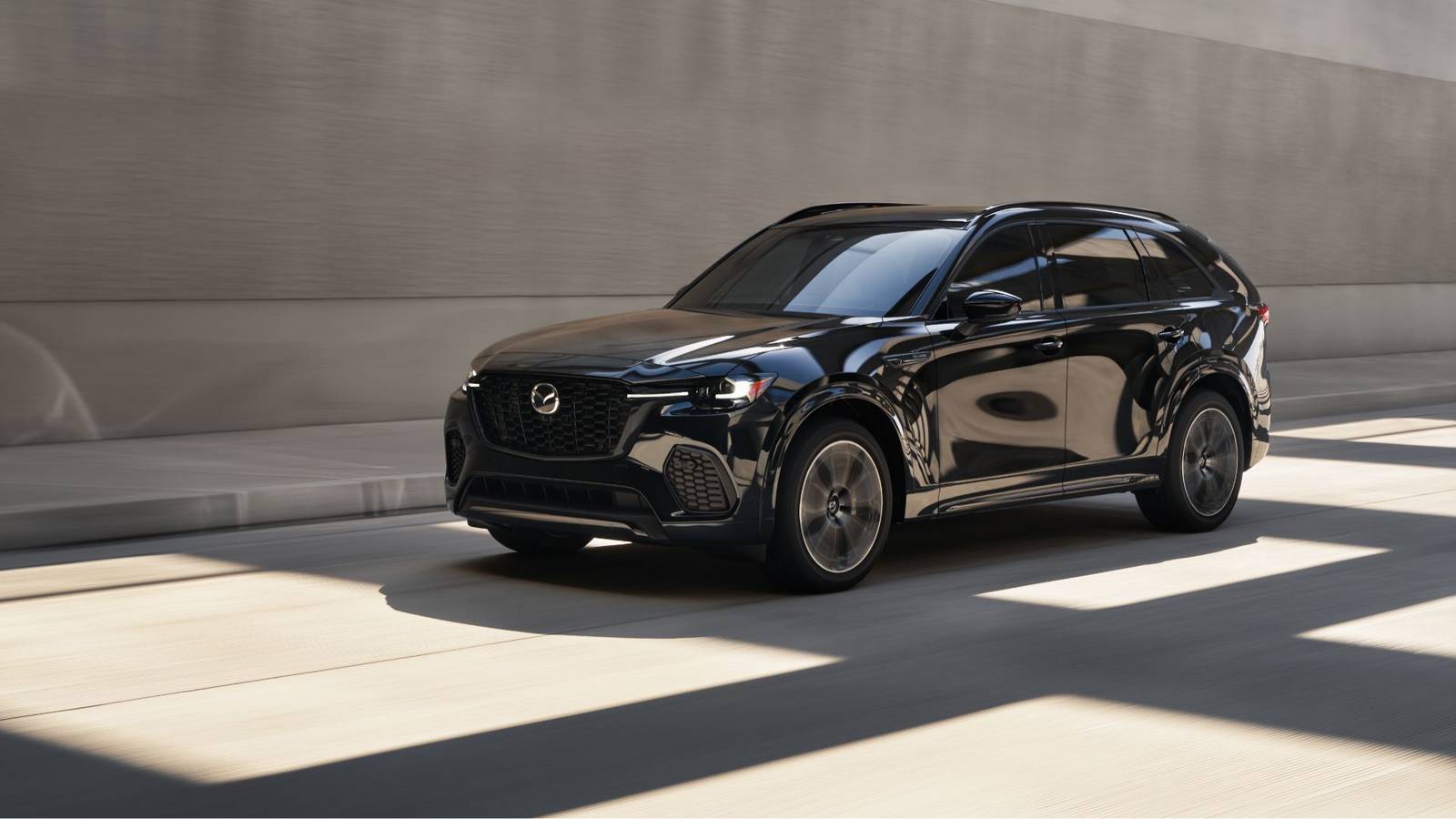
And the model that best captures that approach is also the one that makes the strongest case for long-term ownership.Related 76% of drivers say luxury badges aren't worth it anymore—here's what they want instead Respondents prioritized financial security over a fancy new car.Posts By Carl Anthony Why the Mazda CX-70 stands out in a crowded SUV market A two-row setup, premium feel, and real-world usability done right The 2026 Mazda CX-70 is where Mazda’s near-luxury push becomes clearest.
It shares the same rear-biased platform as the three-row CX-90, but drops the third row in favor of a more athletic two-row setup and extra cargo flexibility.That makes it a stronger fit for buyers who want premium SUV space and presence without hauling around seats they’ll never use.It’s a simpler, more focused layout that leans into everyday usability without losing the upmarket feel.
The CX-70 delivers a near-luxury feel without the luxury price tag The 2026 CX-70 comes in seven different U.S.configurations, starting at $42,750 for the 3.3 Turbo Preferred and topping out at $56,870 for the 3.3 Turbo S Premium Plus.In between, the PHEV SC and SC Plus models sit at $44,550 and $47,450, with all trims carrying a $1,455 destination fee.
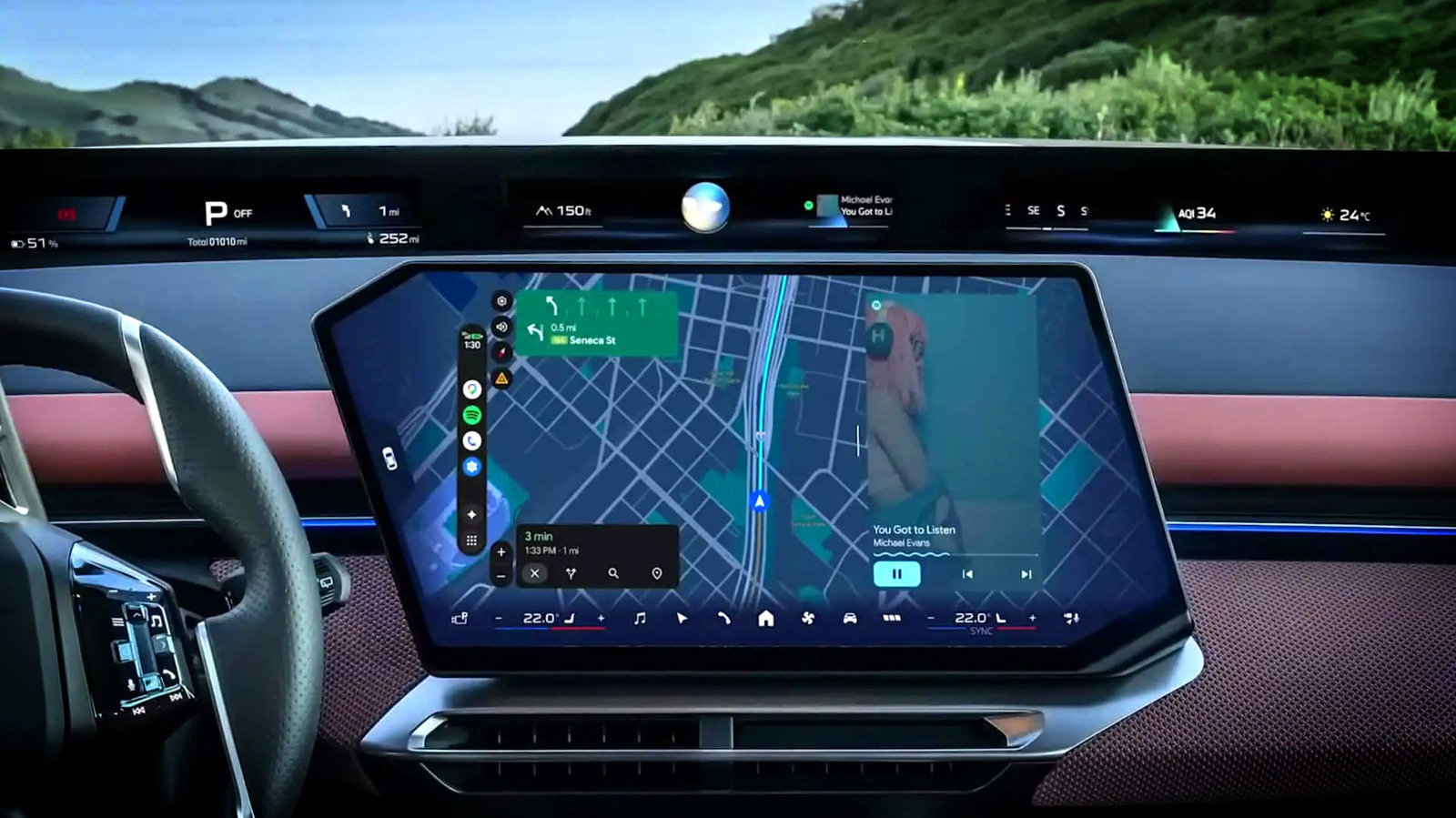
Even the base models are well-equipped, with a 12.3-inch center display with Alexa Built-in, wireless Apple CarPlay and Android Auto, a power sunroof, and heated front seats as standard.It’s the kind of entry point that already feels a step above basic.Stepping up to the Premium and Premium Plus trims brings a clear jump in luxury, with a 12-speaker Bose Centerpoint system, 360-degree view monitor, hands-free power tailgate, and ventilated front seats wrapped in Nappa leather.
It’s the point where the CX-70 starts feeling properly upscale rather than just well-equipped.The high-output S models take things further with a 12.3-inch fully digital gauge cluster, driver seat memory, and signature LED lighting.At the top of the range, the Turbo S Premium Plus adds tan quilted Nappa leather, a suede-wrapped dashboard, and even a 150-watt cargo power outlet.
Outside of trim levels, customization is fairly restrained, with most options limited to premium paint finishes like Soul Red Crystal Metallic, Rhodium White, Polymetal Gray, Zircon Sand, or Melting Copper Metallic.Each of those colors adds a $595 premium, but otherwise Mazda keeps the configuration process relatively simple.Related Why This Used Mazda Crossover Won Me Over Instantly Agile handling, upscale touches, and everyday practicality make this used crossover an instant standout.
Posts By Tyler Dupont What a test drive revealed about the CX-70 Real-world impressions from our sister site show how it actually drives on the road Our sister site, got behind the wheel of the CX-70, giving a clearer sense of how this premium Japanese SUV performs beyond the spec sheet.Right away, it impressed with its upscale look and feel, both inside and out.Mazda has done a strong job with the styling, giving it a muscular, planted stance that stands out on the road.
Inside, it’s easy to forget you’re in a mainstream SUV thanks to the premium design and material choices, while comfort and cabin NVH remain well controlled across the range.It's not just the CX-70's drivetrain that's set up like a posh, European alternative.My tester's interior looked and felt just as, and, in some cases, even more premium than some luxury offerings.
On the road, the CX-70 feels planted and confident, both through corners and under acceleration.It’s not trying to be a straight-line rocket, instead favoring smooth, linear power delivery that keeps things relaxed and in line with its premium feel.That said, it still has enough pace to feel genuinely quick, and it carries the Mazda badge well with a level of athleticism that can match—and in some cases edge ahead of—some European rivals.
Especially when you factor in the price, it starts to punch well above its weight.It rides smoothly, too, with a quiet interior and the sort of road composure you normally associate with much more expensive nameplates.The inline six engine feels robust, providing ample passing power and smooth operation.
Related The Cheapest Crossover With Standard AWD in 2025 A value packed option with tons of traction.Posts By Tyler Dupont Why the CX-70 feels pricier than it actually is Inline-six power and plug-in hybrid tech give it a premium edge without the badge premium The 2026 CX-70 uses a rear-biased i-Activ AWD setup paired with an eight-speed automatic, but its character changes depending on which powertrain you go for.The entry-level 3.3 Turbo models use a 48-volt mild-hybrid inline-six making 280 horsepower and 332 lb-ft of torque.
Step up to the Turbo S and you get a more aggressive version of the same engine, pushing out 340 hp and 369 lb-ft on premium fuel.That’s enough to drop the 0–60 mph run to around 6.5 seconds, giving it a properly quick feel for a midsize SUV.Alternatively, the PHEV version pairs a 2.5-liter four-cylinder with a 68-kW electric motor, producing a combined 323 hp and 369 lb-ft of torque.
That instant electric shove makes it the quickest off the line, with a 0–60 mph time of around 5.9 seconds.Top speed is electronically capped at 130 mph, keeping performance firmly in the real-world sweet spot rather than chasing extremes.The PHEV makes the strongest case for long-term fuel savings Opting for the entry-level Turbo returns an EPA-estimated 24/28/25 mpg (city/highway/combined), while the Turbo S barely shifts things, only dipping city economy to 23 mpg.
Both versions come with solid range thanks to their larger tanks—18.5 gallons for the Turbo and 19.6 gallons for the Turbo S—giving you roughly 462 miles either way.According to the , the base Turbo still costs about $1,500 more in fuel over five years compared to the average new vehicle in the U.S., with annual fuel spend around $2,700 and roughly $4.50 per 25 miles driven.The Turbo S is a bit more expensive to run, at about $4,250 extra over five years, $3,250 annually, and $5.45 per 25 miles, with a full tank costing around $101.
Mazda CX-70 Like SUV Base: $42,250 Base Trim Engine 3.3L Turbo SKYACTIV-G I6 Base Trim Transmission 8-speed automatic Base Trim Drivetrain All-Wheel Drive Base Trim Horsepower 280 HP @5000 RPM Base Trim Torque 332 lb.-ft.@ 2000 RPM Base Trim Fuel Economy (city/highway/combined) 24/28/25 MPG Make Mazda Model CX-70 Segment Midsize SUV Powered by Expand Collapse The CX-70 PHEV is the one to pick if fuel savings are the priority, with an -estimated 61 MPGe combined and up to 26 miles of all-electric range.Once the battery is drained, it still returns around 26 mpg combined, giving it a total gas-electric range of roughly 520 miles.
It uses an 18.4-gallon tank and still carries some running costs, with about $2,250 more spent on fuel over five years and around $1,950 per year on gas and electricity.Charging costs sit at roughly $2.02 per full battery, while filling the tank will set you back about $100.Related The 10 best value SUVs you can buy under $40,000 in 2025 Get more bang-for-your-buck with these standout, budget-oriented SUVs.
Posts 3 By Tyler Dupont What the ownership data actually says about the CX-70 Strong scores and resale value, but not without a few weak spots According to , the 2026 CX-70 scores a 77/100 overall, with strong marks for driving experience (83), resale (82), and dealership experience (82).The weak point is quality and reliability, which comes in noticeably lower at 69/100.Over on , owners rate it highly at 4.6/5, calling out ride comfort, value, and overall day-to-day usability as key strengths.
It’s clearly a likable SUV, even if it’s not flawless in every category.On the depreciation side, estimates a 43 percent value drop over five years, or about $18,180, which is slightly better than the segment average of 46.3 percent.pegs total five-year ownership costs at around $50,314, including $19,433 in depreciation, $9,240 in fuel, and $2,649 in maintenance.
Read More