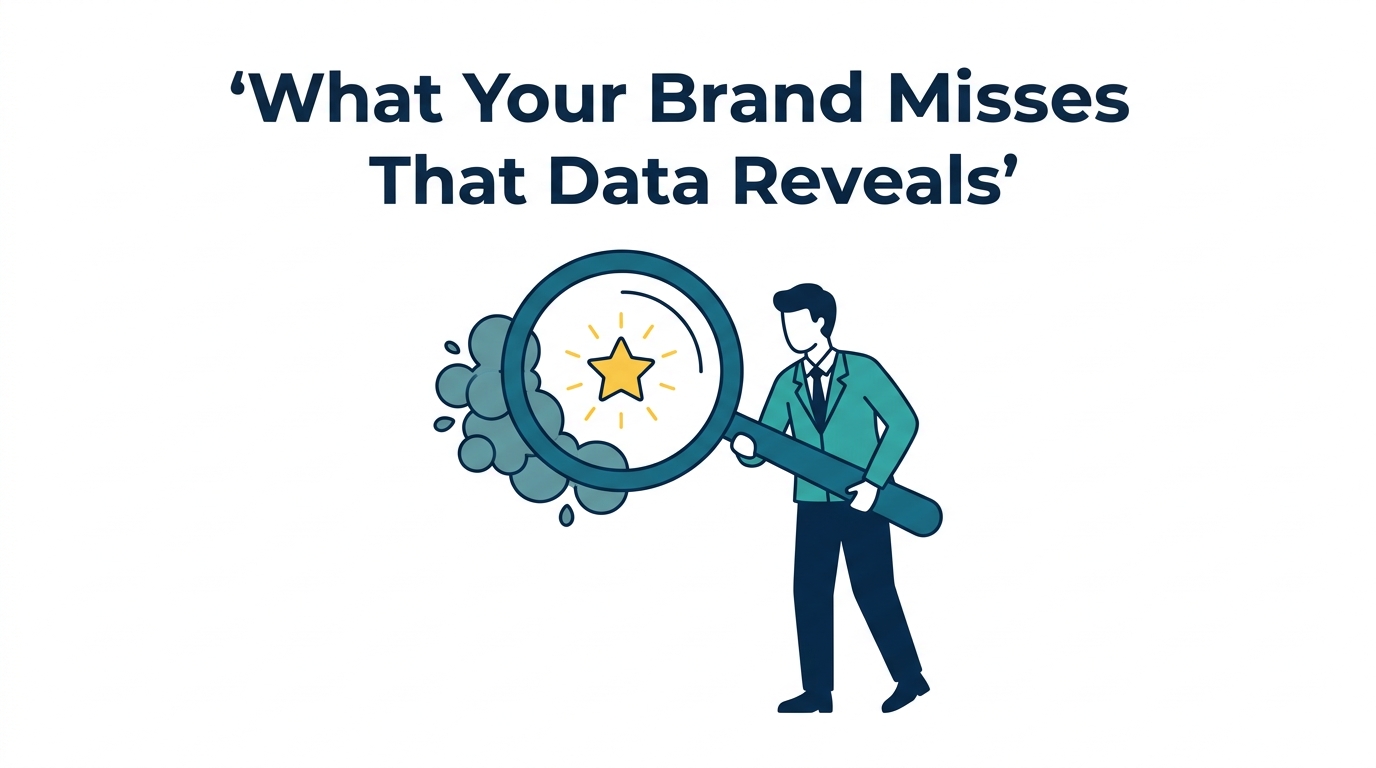
Your brand is shaped less by the campaign your team approves than by what customers encounter when they try to buy, get help, or use the product.Customer experience analytics brings those interactions into view, connecting feedback, behavior, and operational data so leaders can see where brand promises break down.The stakes are real: 29% of consumers stopped buying from a brand because of poor customer experience, according to PwC’s 2025 survey.ContentsCustomer Experience Analytics Finds Hidden PatternsInternal Assumptions Can Distort Decision MakingTurn Information Into Better DecisionsBuild Consistency Across Every ChannelContinuous Analysis Strengthens ReputationLeadership teams often assess branding through campaigns, visual design, and messaging.
Customers judge a business through every interaction, including service quality, website usability, response times, and product consistency.Business intelligence and disciplined data management help organizations find these blind spots before they weaken trust.Customer Experience Analytics Finds Hidden PatternsCustomer experience analytics combines customer feedback analysis with behavioral and operational data to show what customers experience across the full journey.Organizations collect information from surveys, online reviews, website analytics, support tickets, and purchasing behavior; examined together, those sources offer a far clearer picture than any single dashboard.
A drop in repeat purchases alongside a rise in support requests may point to a service problem rather than a marketing problem.GetGo, a Singapore car-sharing company, has used a mix of vehicle telemetry, real-time events, and customer feedback to support near-real-time decisions and proactive maintenance.The lesson for your business is simple: link the complaint to the moment in the journey where it began.More Read Winners of Mozilla Open Data Competition announced The Injury Claims Industry Highlights How We Can Use Big Data For Law Paying for rules by the rule with IDIOM Data Integration Ecosystem for Big Data and Analytics 3 Major Challenges for the Internet of Things Internal Assumptions Can Distort Decision MakingEmployees know company processes so well that they can miss the friction customers face.
A confusing checkout path, inconsistent communication, or a slow response may look minor inside the business, yet each one can shape brand perception.Business intelligence dashboards let decision-makers compare operational measures with customer feedback.A self-contained view of support volume, page exits, delivery delays, and review themes exposes the gap between intended brand messaging and the experience customers actually receive.Turn Information Into Better DecisionsCollecting data does not improve customer perception; acting on a clear finding does.Leadership teams frequently ask, what are actionable insights, because useful analysis should identify a specific problem, its likely cause, and the team responsible for fixing it.
That might mean simplifying online purchasing, reducing customer support response times, rewriting frequently misunderstood website content, or improving communication between departments.Clear priorities prevent teams from chasing every signal at once.Regular performance reviews then show whether a change reduced friction or merely moved it elsewhere.Build Consistency Across Every ChannelCustomers expect the same accurate information whether they use a website, mobile app, email campaign, support channel, or social media platform.
A consistent experience builds confidence; conflicting information can weaken trust even when each individual interaction appears successful.Centralized data management supports that consistency by giving marketing, operations, sales, and customer service teams the same approved information and performance measures.Shared reporting also makes brand perception a business-wide responsibility rather than a marketing-only concern.Continuous Analysis Strengthens ReputationBrand perception changes as customer expectations change, so customer analytics cannot be a quarterly reporting exercise.Organizations that routinely review feedback, operational performance, and engagement metrics can spot emerging issues before they become larger reputation problems.Routine analysis also identifies practices worth expanding across other touchpoints.
A support process that resolves an issue quickly, for example, may reveal a product or website improvement that prevents the issue altogether.Small, repeated improvements can compound into stronger loyalty over time.Business intelligence turns branding from a creative exercise into an evidence-based discipline.
The next step is to connect customer signals to the teams that can act on them, then measure whether the fix changed the experience.Organizations that make this habit part of their operating rhythm will understand how customers see the brand—and will be better positioned to strengthen customer loyalty with predictive analytics before dissatisfaction becomes visible in revenue figures.
Read More