Rapidly rising SSD prices are bringing back products that were starting to fade into obscurity.SATA SSDs, pretty much obsolete, are finding some uses again.Similarly, the ongoing RAM shortage makes older versions of consumer RAM, such as DDR3, somewhat usable.
Does the same thing apply to SSDs, then? Are PCIe Gen 3 SSDs worth buying now? Not at all.In fact, they're an expensive trap you need to steer clear of at all costs.The SSD market is a mess, but this just might be the worst option There's no benefit to choosing PCIe Gen 3.
I'll be honest with you: SSD pricing is a mess right now, period.It doesn't matter if you're buying one of the fastest SSDs or going for something more affordable, like a 1TB drive (which, by the way, also happens to be a bad deal right now).The prices are all over the place, and they're not showing any signs of improvement.
NAND flash shortages are to blame here, combined with increased demand thanks to the AI sector.RAM prices have skyrocketed, but SSDs aren't far behind.A 1TB NVMe SSD used to cost around $60 in the summer of 2025, but now, you'll be lucky to find a decent one below $110.
Still, even with SSDs as expensive as they are right now, you'd expect there to be some more affordable options.NVMe PCIe Gen 5 SSDs being expensive, I get.They weren't cheap before this, either.
Gen 4 drives are still the go-to option for many people, so it makes sense they're in high demand.But PCIe Gen 3? Those SSDs are increasingly becoming irrelevant.With all modern motherboards and CPUs supporting PCIe 4.0, there's little reason to buy an older Gen 3 SSD.
(Yes, even if your PC can't support PCIe 4.0.) All of that wouldn't matter if PCIe Gen 3 drives were cheaper ...but are they? The pricing of PCIe Gen 3 SSDs makes no sense It used to be worth it, but now? I've been keeping a close eye on the prices of various storage options, including NVMe and SATA SSDs.None of it is pretty, but some of the prices just don't make any sense, and PCIe Gen 3 drives fall under that category.
Let's compare some options, all 1TB NVMe SSDs to keep it fair.At the time of writing, I looked through Amazon, finding plenty of PCIe Gen 3 SSDs to choose from across multiple price points.The PCIe Gen 3 drives I found include: This Silicon Power SSD (2,200MB/s read/1,600MB/s write), sold for $143 An SSD from a relatively unknown brand, Kootion (3,500MB/s read/3,000MB/s write), sold for $129 A SanDisk SSD (3,200MB/s read), $149 A Patriot SSD (3,000MB/s read, 2,2000MB/s write), $140 Seeing those prices told me that we're in for a bad time, but comparing them to Gen 4 and Gen 5 drives solidified just how bad they are.
My PCIe Gen 4 finds include the Crucial P310, with speeds up to 7,100MB/s, priced at "just" $107.It's a lot compared to last year, but incredibly cheap compared to these Gen 3 drives listed above.I also found options around the $130 to $155 mark from SIX, Kingston (up to 6,000MBs), and Silicon Power (7,000MB/s/6,000MB/s).
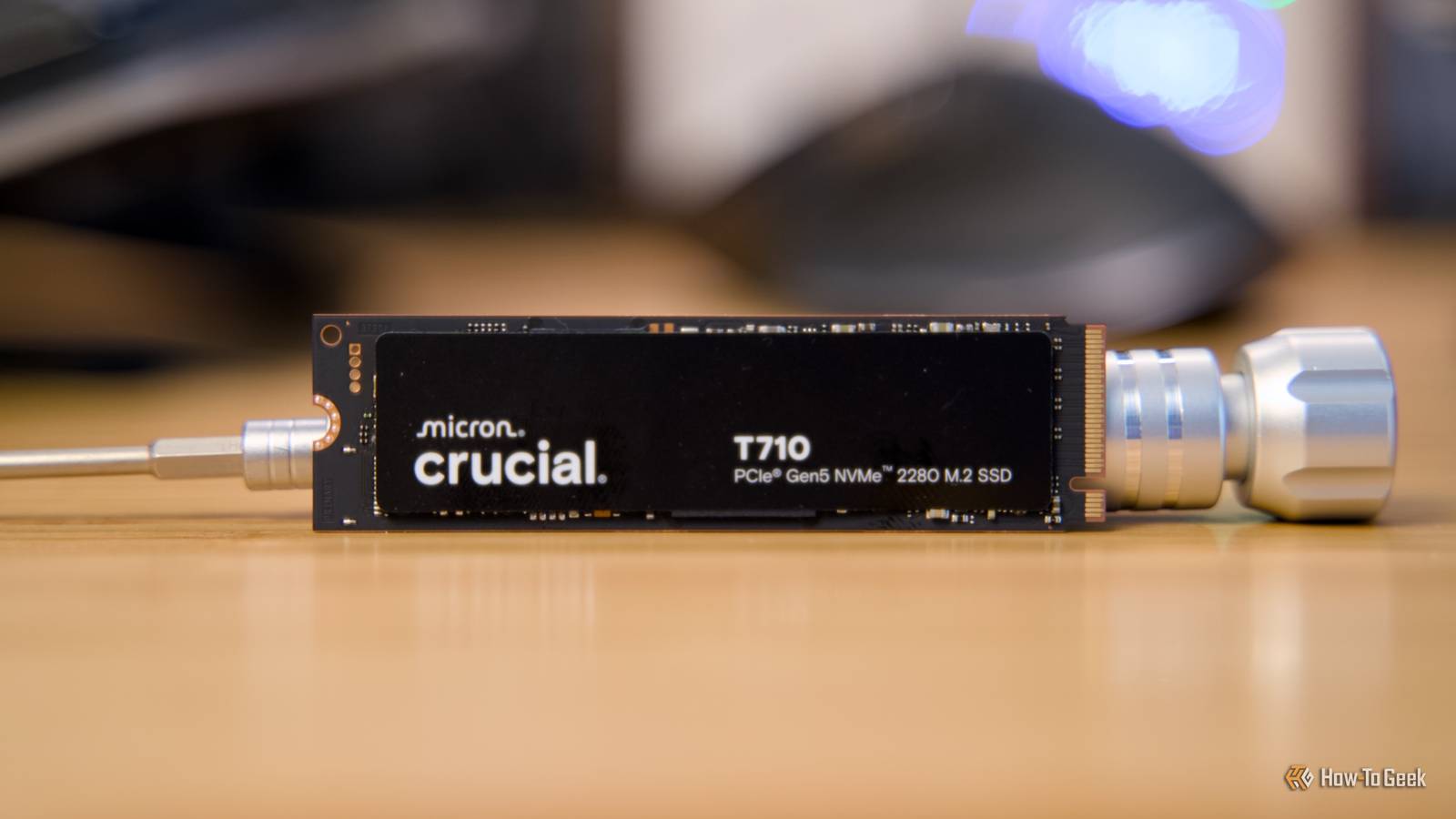
Those prices are comparable to the Gen 3 SSDs, but the jump from Gen 3 to Gen 4 doubles the speeds.And PCIe Gen 5? Some drives cost a fortune, but I managed to find this Crucial T700 drive, with a heatsink (which is a useful accessory) and speeds up to 11,700MB/s, on sale for a mere $149.At these prices, PCIe Gen 3 couldn't make any less sense to buy.
Can't use PCIe Gen 4 SSDs? No problem Looking ahead isn't a bad idea right now.I know that it's not all new PCs—many older machines still need SSD upgrades, but may not be able to support PCIe Gen 4 or above.But if that's you, you should still get a Gen 4 drive.
Backwards compatibility works in your favor here.PCIe is fully backwards compatible, meaning that you can install a Gen 4 or 5 drive in a Gen 3-only system without any issues.In fact, doing this is a common mistake people make in newer PCs, too, where they halve the speed of their SSD by putting it in the wrong slot.
So, what happens if you install a newer SSD in a Gen 3 PCIe slot? Nothing much.Provided the form factor checks out, and everything else is as it should be, your SSD will work at the advertised maximum speed of PCIe 3.You won't be able to benefit from faster Gen 4 speeds, but your SSD will still give you its best, and newer drives often have newer controllers and firmware, offering better performance or longevity even when capped at lower speeds.
As a result, there's no point in buying slower Gen 3 drives right now.Even if you can't make the most of the drive right now, you might be able to in the future, moving it from your current system to a newer one.One caveat to keep in mind And this applies to all "cheap" SSDs.
There's one caveat that makes shopping for an SSD harder, and this is something you might run into when buying a cheaper drive, regardless of the PCIe generation.It's a hidden spec that can make your SSD significantly slower and less durable.I'm talking about the type of NAND flash.
Subscribe for SSD buying clarity and pricing insight Don't get caught paying for the wrong SSD—subscribe to the newsletter for clear coverage of SSD pricing, Gen3 vs Gen4 trade-offs, NAND types like QLC vs TLC, and straightforward buying guidance to choose durable, future-ready drives.Subscribe By subscribing, you agree to receive newsletter and marketing emails, and accept Valnet’s Terms of Use and Privacy Policy.You can unsubscribe anytime.
SSDs using QLC (quad-level cell) NAND instead of TLC (triple-level cell) tend to be a lot cheaper, but they're still a worse deal.QLC packs more bits into each cell, which is great if you want to pay less per gigabyte, but it comes with trade-offs: it's slower, it wears out sooner, and it relies much more heavily on tricks like SLC or TLC caching to feel fast, but only until the cache fills up.Durability is another factor: QLC generally has lower write endurance than TLC, and manufacturers reflect that in lower TBW ratings on the sheet.
Finding out whether an SSD is QLC or TLC isn't always straightforward.Check spec sheets and retail listings, then turn to search engines for answers if nothing else helps.QLCs are fine for data storage, but I don't recommend using them as a boot drive.
Pick the right SSD not just for now, but for the future It's all too easy to buy the wrong thing right now.You'd think that PCIe Gen 3 SSDs would make sense right now.When everything is overpriced, turning to older hardware is often the only way to upgrade your PC.
Unfortunately, that's just not the case.If you want to upgrade your SSD right now, it's often better to spend $10-$20 more and get a drive that'll stand the test of time better.Check the prices carefully, as hidden gems pop up occasionally, but it's mostly all bad right now.
Read More