The first graphics card I ever bought with my own money was a 16MB Voodoo 3 2000.That card introduced me to the world of hardware acceleration on PC.No more software-rendered , only "real" 3D objects with smooth frame rates and sharp resolutions.
Since then, I've bought many GPUs, but really there have only been two serious options: AMD (formerly ATI) and NVIDIA.Personally, I'm not much of a brand snob.I've always bought the best graphics for my budget when it's time to upgrade, regardless of what brand it was.
Some of the time, that was ATI/AMD, and most of the time it was NVIDIA.However, while NVIDIA GPUs have generally been the right choice for me, I've seen people buy NVIDIA when, objectively, the AMD alternative would have been the better choice.I have some ideas as to why.
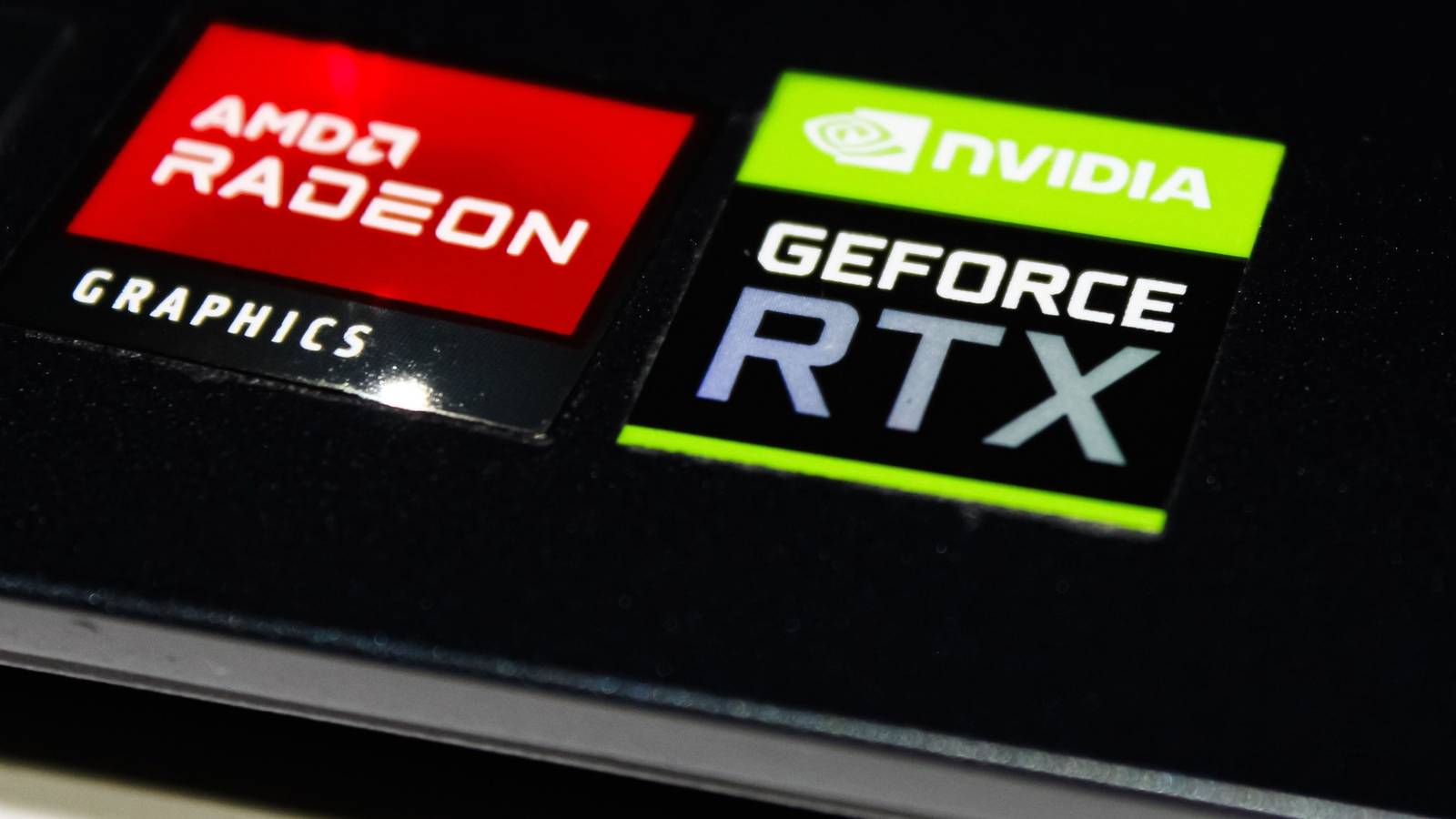
NVIDIA’s brand power outweighs rational comparisons It's about mindshare as much as market share NVIDIA now commands the sort of brand recognition that most companies can only dream of.With a solid 95% discrete graphics market share (as per Yahoo Finance) AMD cards are a rarity in the wild.So imagine when someone's looking to buy a new GPU for a computer and everyone is using NVIDIA.
We tend to look to other people to decide what a good choice might be.If nine out of ten people are using NVIDIA, and the only AMD users you see are pretty hardcore and weird about it, then it makes sense.OEMs are pushing NVIDIA.
System builders are going with it as the safe option, so why would most people want to stray from the road most traveled? Software ecosystem lock-in keeps users from switching It's nice in the walled garden Probably thanks to its extreme market dominance, NVIDIA hasn't really bothered to open up its technologies like DLSS, NVENC, and CUDA to the competition.It really has no reason to, since software developers already have good reason to support these features given the install base.Compare that to AMD (and Intel), who open technologies like FSR and XeSS so they can run on any GPU, even their own competitors.
Sure, they try to keep the best versions hardware specific (e.g.FSR Redstone), but in general, when you're the extreme underdog, you need desperate measures to try and increase market adoption.It doesn't help that technologies like DLSS in particular has been so clearly superior to AMD's offering every step of the way.
Now that AMD might finally have something comparable, it's locked to only its latest hardware.Whereas NVIDIA offers these technologies spanning four whole GPU generations as of this writing.That's a huge gulf to cross, even when something like a RX 9070 XT seems like a very good deal on paper and in benchmarks.
Sapphire NITRO+ AMD Radeon RX 9070 XT GPU Cooling Method Air GPU Speed 2520Mhz The AMD Radeon RX 9070 XT from Sapphire features 16GB of DDR6 memory, two HDMI and two DisplayPorts, and an overengineered cooling setup that will keep the card cool and whisper quiet no matter the workload.Interface PCIe Memory 16GB DDR6 Boost Speed 3060Mhz $720 at Amazon Expand Collapse Perceived stability and driver reputation influence decisions Fool me once...One of the main reasons I permanently swore off AMD GPUs back when I dumped my R9 390 was just how bad the software was for the card.
The second I swapped it out for an NVIDIA card, all my games had better 1% lows, even if the peak performance wasn't that much better.Qualitatively, the experience was so much more enjoyable, and with every new game release NVIDIA would have a driver update waiting.Is my memory of AMD's software quality from a decade ago outdated? Absolutely, but if you bite a customer once, it's very hard to regain their trust.
Subscribe to the newsletter for GPU brand insights Gain clearer GPU buying guidance - subscribe to the newsletter for in-depth coverage of NVIDIA vs AMD, driver reputations, ray tracing and upscaling trade-offs; focused analysis to help you evaluate hardware and feature priorities.Get Updates By subscribing, you agree to receive newsletter and marketing emails, and accept our Terms of Use and Privacy Policy.You can unsubscribe anytime.
My next exposure to AMD drivers on a PC was with my first PC handheld.I expected the same rough edges, but the games performed well, and I soon forgot what brand of GPU I was playing on, which is a great compliment.I reckon there are plenty of people out there who left AMD behind because of a bad experience, and have seen no reason to risk hundreds of dollars just to see if things have gotten better in the meantime.
Buyers value some features more than raw performance It's more than just a numbers game I think AMD was caught off-guard by NVIDIA's push into ray tracing and AI-powered upscaling.NVIDIA has been a master at making people care about the features that, for a while at least, only it could offer.It didn't matter that a Radeon card could offer you more frames per dollar than its nearest NVIDIA competition; those were last-generation frames.
GPU purchasing preferences in 2026 and beyond Perhaps now that AMD is starting to reach feature parity with AMD, people may start thinking differently about the brand.We just have to hope that the money AMD makes from laptops and consoles is enough to keep its desktop GPU business viable, where it has already abandoned the high end to NVIDIA.That's probably one major reason we have $5,000 GPUs now.
Read More