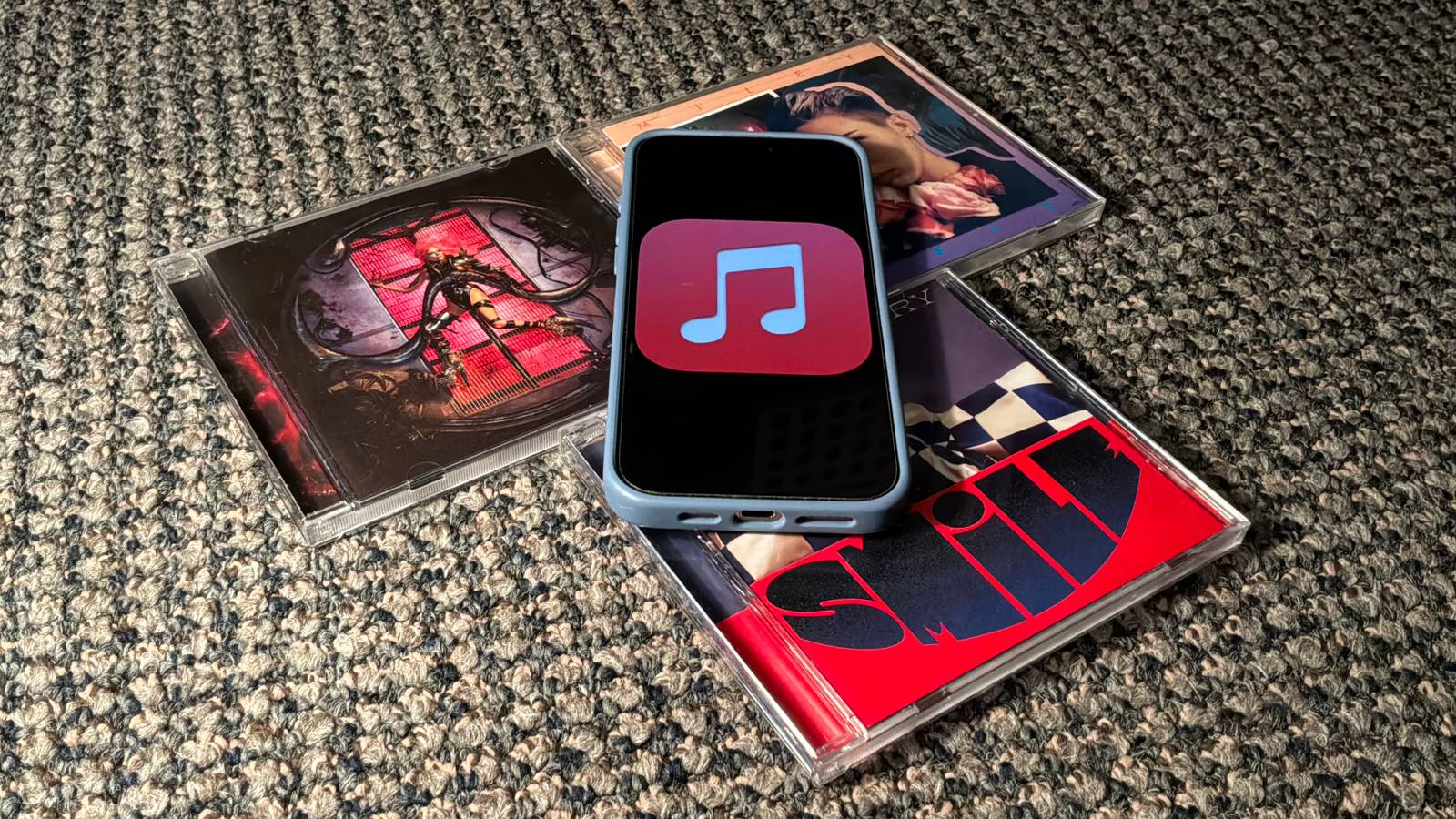
As streaming has become the preferred way to listen to music, buying physical CDs has grown less common.Yet this isn’t new; physical music purchases began to decline when digital downloads became available through services like iTunes.While streaming offers benefits, such as advanced audio quality and a variety of features to choose from, I’m not fully embracing it yet.
I’m sticking with the old-fashioned approach of buying physical discs to get my music fix, and here’s why.You don’t own the music One of the most significant advantages of paying for a streaming service, such as Apple Music or Spotify, is access to vast music catalogs that span decades.You also get new releases the moment they drop, or, in some cases, even earlier when artists offer platform exclusives.
But while you can download a song or album to your library for offline listening, you don’t truly own it.Paying for a streaming service means you’re borrowing the music, not buying it to keep forever.Back in the day, or even now, when you buy music from a digital marketplace, you’re purchasing a perpetual license to access and play it.
This means the media is yours to play and redownload whenever you want.On the other hand, with streaming, you are just renting the music and don’t own it.Since that is the case, you could lose access to that media at any moment.
There are multiple instances of artists removing music from streaming services or changing song lyrics after its release.Even if you have downloaded the media for offline listening, it can still be taken away if it’s no longer available on the streaming platform.An example of this is Taylor Swift removing her entire discography from Spotify in 2014 to protest how streaming platforms compensated artists.
Her catalogue eventually returned in the middle of 2017, nearly three years later, as a surprise return.Like buying music digitally, owning a physical CD means the album is truly mine and can’t be altered.Even if an artist removes a song from their discography, I still have access to it because I legally and physically own it.
The content included with the CD When you add an album or song to a digital library, that’s all you receive.You don’t get the extras that come with a physical CD, such as booklets, posters, or exclusive tracks.Previously, when I bought music from iTunes, it often included a digital version of the booklet.
However, I didn’t appreciate it as much as I do when I can physically hold and flip through it.I love flipping through each page of a CD booklet and seeing the different photoshoots an artist did for an album release.These are usually surrounded by the lyrics for every track.
While lyrics are easy to find on streaming services, the design and artistry of a physical booklet—crafted to match the album’s theme—make reading along while listening far more enjoyable.Additionally, the album artwork on a CD may be unique and differ from the official cover shown on streaming services, often tied to a specific edition of the release.While you can change album artwork in the Music app on a computer, that option isn’t available if you don’t have access to one, making physical copies more appealing.
One of the biggest reasons I still buy physical CDs is for exclusive voice memos or bonus tracks from the artist that aren’t available on streaming platforms.These are most often found in retailer-exclusive editions, such as those sold at Target, and I’ve bought albums that include one to three additional tracks you can’t get anywhere else.Sometimes artists eventually add those tracks to streaming services—Katy Perry added “High On Your Supply” from in 2025, nearly five years after the album’s release.
Other times, they don’t.Lady Gaga’s “Love Me Right” from , released in 2020, still isn’t available on streaming platforms.Owning a physical album offers more than simply adding it to a digital library.
It lets you experience the project’s visual creativity beyond the album artwork and, in some cases, offers insight into the album that streaming services don’t.Makes me appreciate the music more One issue I’ve noticed with streaming music is that I don’t value albums as much as I did when I bought them.Subscribe for deeper takes on music ownership and physical releases Explore our newsletter for deeper insights into music ownership, collector editions, and the value of physical releases—guides, perspectives, and recommendations to help you decide what to buy and why.
Subscribe By subscribing, you agree to receive newsletter and marketing emails, and accept our Terms of Use and Privacy Policy.You can unsubscribe anytime.When streaming, I’ll often listen to a whole album from start to finish, add a few of its songs to playlists, and move on.
If I like it, I might put it on repeat, but I rarely give each track the careful attention it deserves.For example, when I bought Kesha’s album in 2012, I listened to it back-to-back—every song, every melody, every tempo.Sure, I had favorites, but I still appreciated the entire body of work and didn’t skip tracks because I wanted the full experience the album offered.
Furthermore, streaming offers monthly or yearly plans that provide unlimited access, so you don’t pay per listen.But that convenience can also make it easy to move on quickly if an album doesn’t grab you.Purchasing music, on the other hand, feels like an investment.
I take a moment to decide if it’s worth buying, and when I do, I make sure to fully enjoy it because I spent money on it.That sense of ownership makes the listening experience more deliberate and meaningful.Streaming services offer many benefits, and it’s safe to say their dominance in music consumption isn’t going away anytime soon.
With songs, music videos, and podcasts available, the amount of content continues to grow.However, they can’t replicate the special feeling of owning music and holding the CD in your hands, along with all the accompanying content.Buying a CD isn’t just about listening to the music; it’s about enjoying the whole journey the album provides.
Read More