Many Android phones now promise five, six, or even seven years of major software updates, which is great.If you're spending $1,000 on a phone, it's fair to expect it to last more than half a decade—especially now that performance and camera quality have largely plateaued.However, there’s one critical component that still can’t keep up: the battery.
If we want phones to truly last seven years, user-replaceable batteries need to make a comeback, and they need to do it now.Seven years of updates sounds great, but the battery gives up long before that Software longevity means nothing when the battery can't keep up There was a lot of initial excitement when brands like Samsung and Google started announcing seven years of major Android OS updates for their phones—and this excitement is definitely justified.As someone who’s used a phone for five full years before upgrading to the OnePlus 15, I definitely think that it’s a step in the right direction.
Phones are now more expensive than ever, but they have impressive processing power and cameras to justify the pricing.Realistically speaking, a mid-range phone you buy today should have a processor that’s powerful enough to handle daily tasks seven years from now, which makes seven years of updates sound like a great deal...on paper.
OnePlus 15 9 SoC Qualcomm Snapdragon 8 Elite Gen 5 Display 6.78-inch 2772*1272 (FHD+) The OnePlus 15 features the latest Snapdragon 8 Elite Gen 5 SoC that enables gaming features never before seen on a smartphone.The 165Hz display is perfect for mobile gaming, and when not gaming, it runs at 120Hz, making it ideal for everyday usage.The triple camera array is pretty great, and the 7,300mAh battery lasts multiple days on a single charge.
RAM 12GB/16GB Storage 256GB/512GB Battery 7,300 mAh Operating System OxygenOS 16 Front camera 32MP Rear camera Triple 50MP sensors Colors Infinite Black, Ultra Violet, and Sand Storm Charge speed Up to 80W SUPERVOOC IP Rating IP66, IP68, IP69, IP69K Price $899/$999 Release date November 13, 2025 $1000 at OnePlus Expand Collapse If we’re being honest, the small performance and design improvements phones get over the years are no longer the main reason most of us upgrade.The real limitation isn’t whether the phone can keep up—it’s whether the battery can.Even if those improvements aren’t enough to make you consider upgrading, the aging battery certainly will.
It doesn’t matter if your phone was $1,000 or $300; after three to four years, battery life will degrade to the point where it’s hard to use the phone without charging it two or even three times a day.This is because a typical lithium-ion battery loses anywhere between 5% to 15% of its maximum capacity per year under average use.Even if you take good care of your battery and try to maintain a charge between 20% and 80%, it’s inevitable because the battery is constantly exposed to charging, discharging, and heat.
If you want a real-world example, a journalist at ZDNET limited their iPhone’s maximum charge to 80%, and their maximum battery capacity still dropped to 91% after a year of regular use.Performance is no longer the thing that ages a phone; it's the battery Modern phones can easily outlast the battery When a phone reaches that three- to four-year mark, the original battery might only have 70% to 80% of its capacity left, which makes power banks and regular charging part of your daily routine.To extend battery life, you’ll also likely have to significantly lower display brightness, which makes the phone borderline unusable in direct sunlight, as well as enable battery-saving mode, which makes even the fastest phones feel sluggish.
On top of that, the phone will perform worse as the battery degrades because increased battery impedance results in less available "peak power" when the processor demands it.Performance issues aside, many users find losing a third of their battery life hard to live with, especially when the phone didn’t have great battery life to begin with.When a phone that used to get five hours of screen-on time can only deliver three, at that point, it just makes sense to upgrade to a newer model just so they no longer have to deal with a phone that constantly requires charging, even though the phone is realistically still usable and even receiving the latest software updates.
Replaceable batteries aren't perfect, but they solve the biggest problem Some trade-offs are worth it There are several important reasons why smartphone manufacturers have ditched user-replaceable batteries.The most important one is dust and water resistance.Phones with IP68 and, in the case of my OnePlus 15, IP69K dust and water resistance ratings wouldn’t be possible without specialized glue and gaskets that seal the phone shut.
Sealing the back with glue instead of clips also allows phones to be slightly thinner and more structurally durable, while the extra internal space lets the fixed battery be shaped to better fit the chassis and maximize capacity.On top of the legitimate engineering and marketing reasons, making batteries non-user-replaceable also allows manufacturers to encourage more frequent upgrades and charge for battery replacements.However, despite these admittedly not insignificant drawbacks, making batteries replaceable isn’t as hard as it sounds.
Subscribe to the newsletter for practical phone-longevity guidance Want deeper coverage on phone longevity? Subscribe to the newsletter for clear explanations of battery aging, realistic repairability strategies, and practical trade-offs manufacturers make.Learn which design choices help phones last years and how replac Get Updates By subscribing, you agree to receive newsletter and marketing emails, and accept our Terms of Use and Privacy Policy.You can unsubscribe anytime.
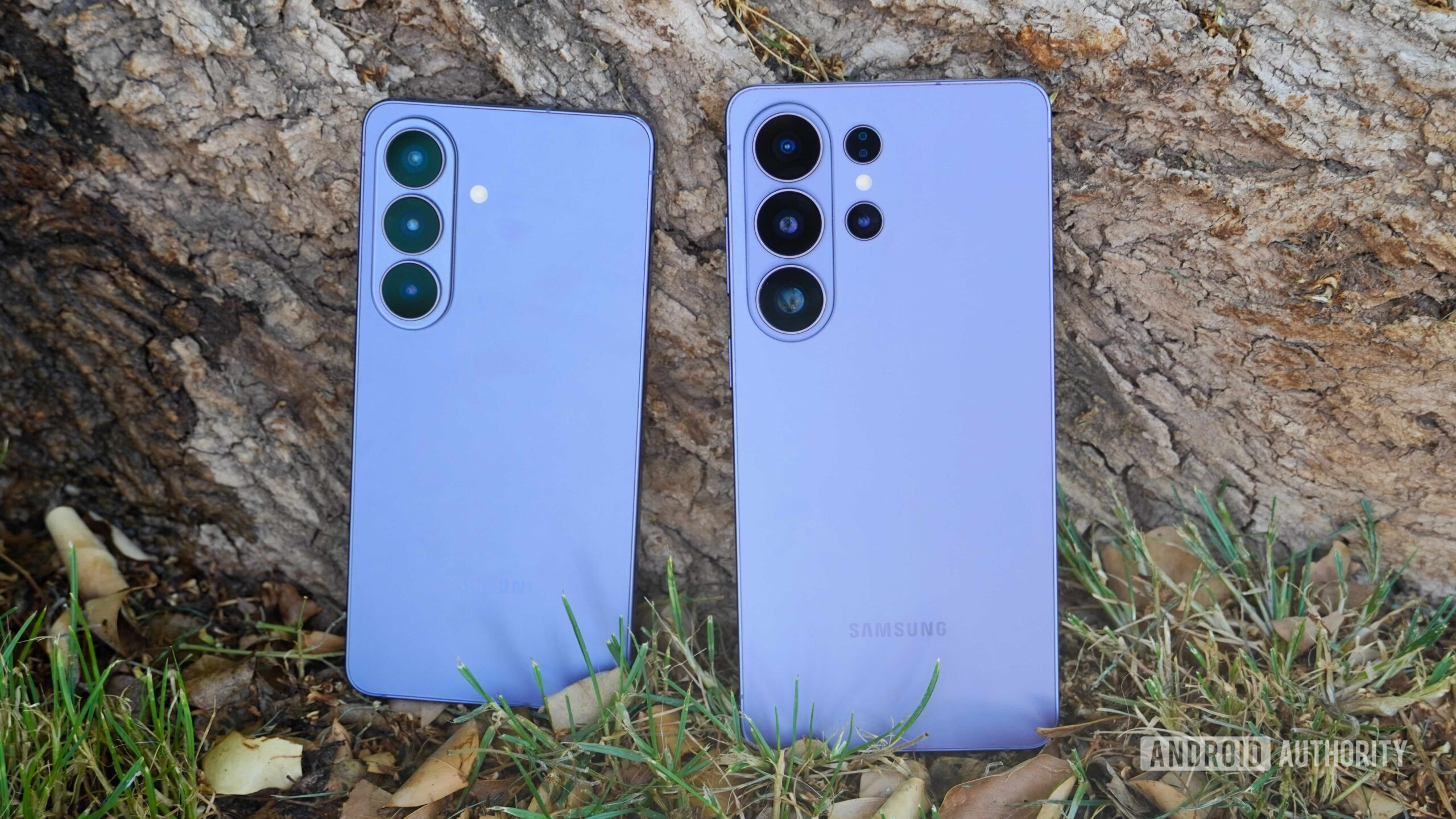
The Fairphone 6 still manages to achieve a respectable IP55 dust and water resistance rating while keeping the battery easily replaceable by even non-technically inclined users.The user only has to remove two Torx screws with the included tool, gently pop the battery out with a plastic pry tool, and unplug it before installing a new one.By the way, the Fairphone 6’s 4,415mAh battery is actually slightly larger than the Galaxy S26’s 4,300mAh, despite both phones sharing the same 6.3-inch screen size (although the Fairphone is around 30% thicker).
However, that’s a small price to pay if you want a phone that you can easily replace the battery of and use for years to come.It’s also worth pointing out that silicon-carbon batteries are already on the market and promise a significant increase in battery capacity while staying physically the same size.This could mean that user-replaceable batteries could deliver excellent battery life while still keeping phones relatively slim.
Murena Fairphone 6 Display 6.31 inch P-OLED LTPO RAM 8GB Powered by /e/OS operating system, the Murena Fairphone (Gen.6) protects your data at all times, while at the same time protecting the planet. Made by 50% fair and recycled materials, in fair conditions and with one of the lowest carbon footprints in the market. Storage 256GB Battery 4415 mAh Operating System Android 15 Dimensions 156.5× 73.3× 9.6mm Colors Black, White and Forest Green Charge speed 50% charge in 20min with 30W charger $899 at Murena Expand Collapse We don't need swappable packs, just battery repairs that aren't a nightmare Small design changes could make a huge difference in longevity While you technically can replace the battery in a modern smartphone, few smartphones make that easy to do.
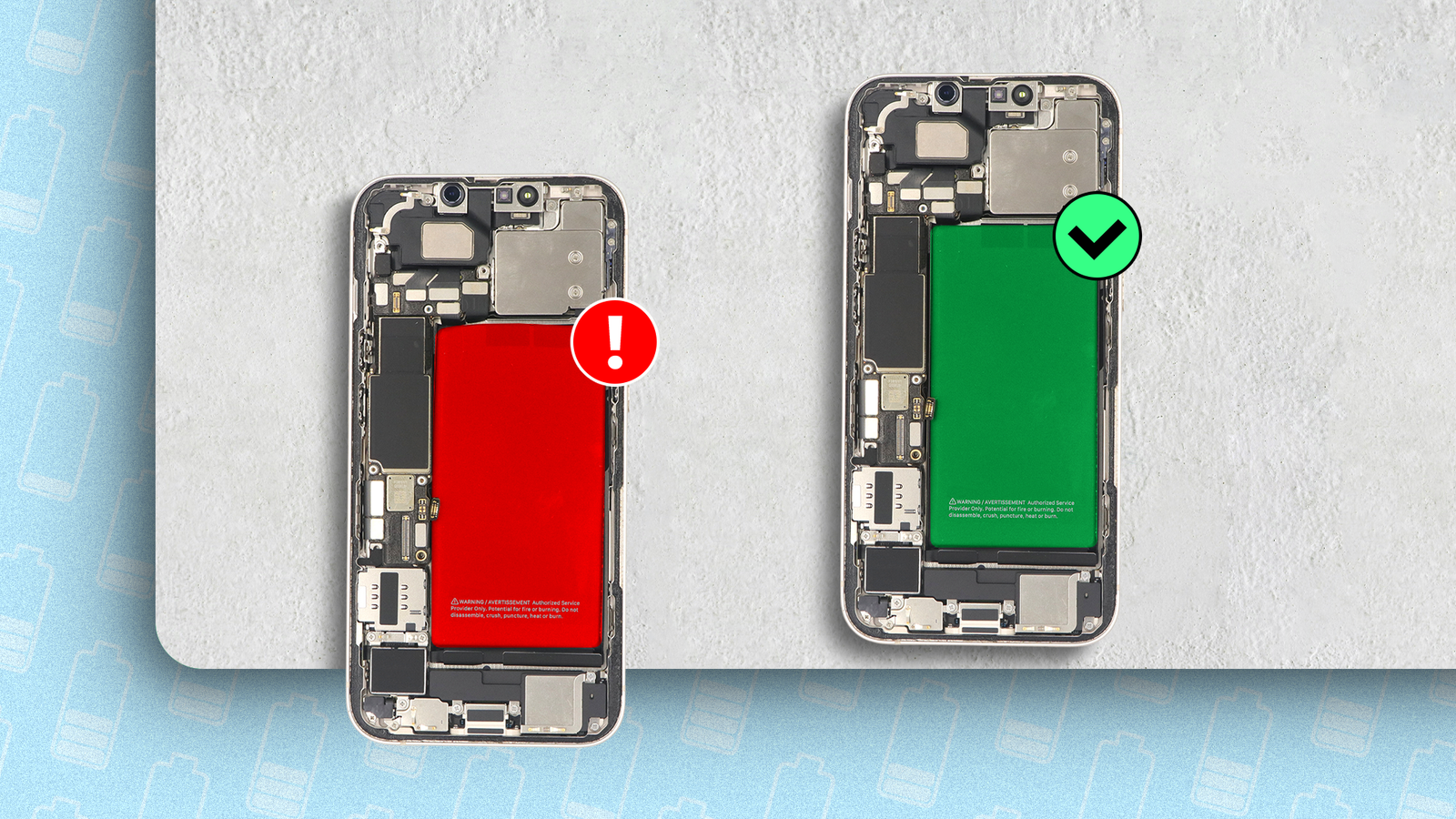
Even with the right tools, glass backs can still shatter, and batteries held in with strong adhesive instead of pull tabs can turn a simple repair into a risky process.Plus, you permanently lose the dust and water resistance because the phone wasn't designed to be taken apart.In a perfect world, we would still have easily swappable battery packs like in the LG G5, but the demand for thin, sleek, water-resistant phones with high-capacity batteries makes that hard to bring back.
That said, if more phones took the Fairphone approach, or at the very least made batteries easy to access and replace, seven years of software updates would finally start to feel like a genuine marketing claim.Related 9 Tips to Keep Your Phone Running for Years Make your phone a lasting companion! Posts 12 By Shan Abdul
Read More