Vehicles used to be finished the day they left the assembly line.Whatever the powertrain output, whatever the infotainment system menus, and whatever extra options and packages there were, they all stayed the same for as long as the buyer owned that vehicle.If they traded it in or sold it later, the second owner had all the same "fixed" features.
That's changing for a growing share of new vehicles, especially as cars today are becoming increasingly software-defined.McKinsey defines a software-defined vehicle as one built around a central computer architecture that can be upgraded across its lifespan, adding new applications and capability long after it leaves the factory.New capability arrives the same way it does on a phone, through a wireless update that downloads and installs itself.
A car isn't exactly a phone (it's a two-ton machine responsible for keeping people alive at highway speed), so the comparison only goes so far, but the basic mechanism is familiar.An over-the-air (OTA) update reaches the vehicle through a cellular or in-vehicle Wi-Fi connection and installs without a trip to the dealership.Here are three ways OTA updates are in play for vehicle owners today, which includes everything from expanded infotainment features to more EV range.
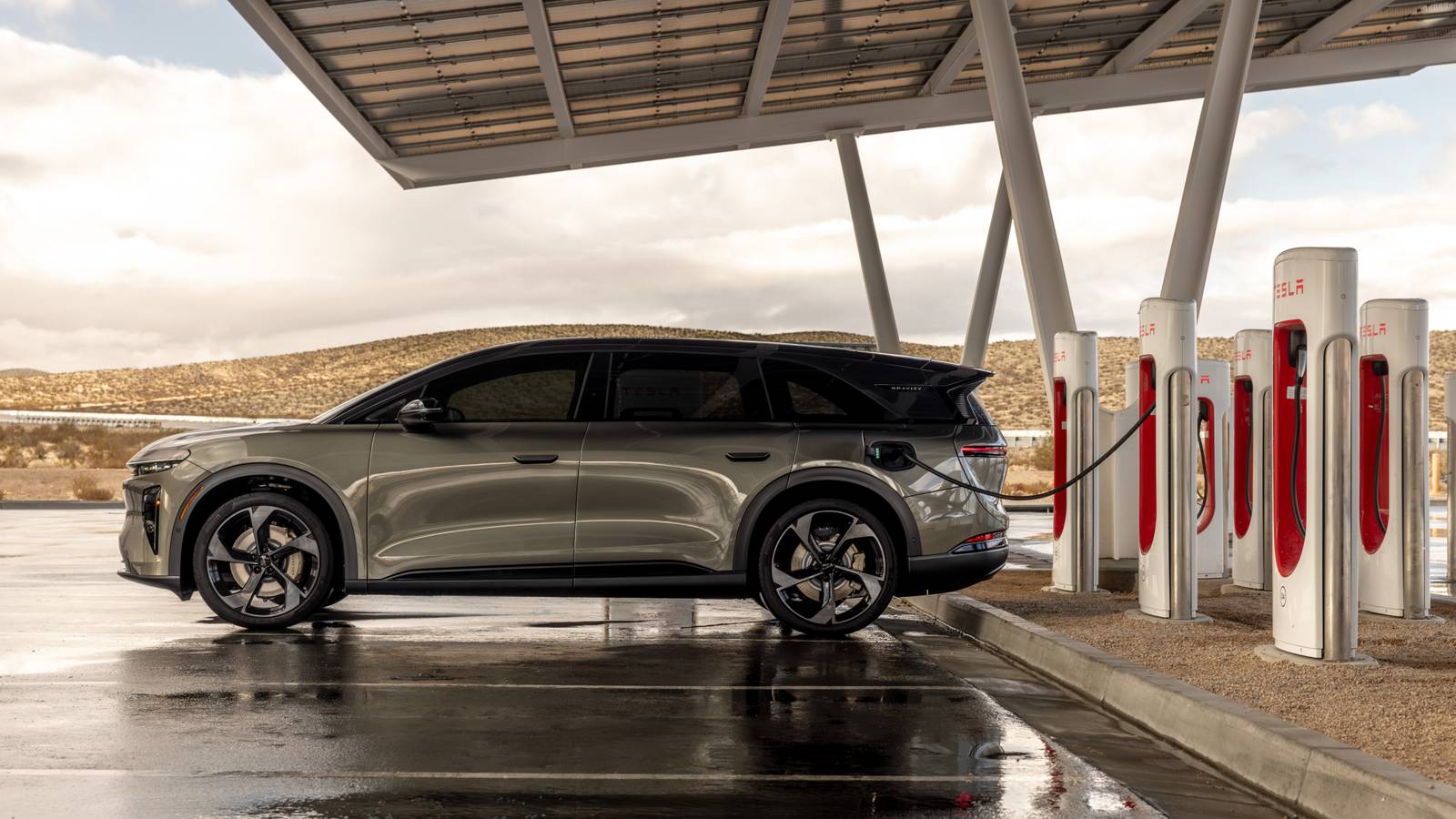
Connectivity and multi-energy features Buyers should ask clarifying questions at the dealer Close In March 2026, Lucid began rolling out Apple CarPlay and Android Auto to Gravity owners whose SUVs had launched originally without them.That same month, Volvo launched what its chief engineering and technology officer, Anders Bell, called the largest OTA update in company history, an initiative named Volvo Car UX that spanned about 2.5 million vehicles going back to the 2020 model year.The update put frequently used apps, like navigation, media, and phone, directly on the home screen and cut the number of taps needed to reach them.
"Our new user experience delivers significant updates and improvements in areas most used by drivers, and directly addresses the needs and desires of our customers," Bell said at the time.Where Volvo changed how the screen works, Ford changed what's playing on it.Ford's software release notes, filed with NHTSA, describe adding video streaming as a new entertainment option to F-150 Lightning trucks that didn't ship with it originally, delivered through the Ford Power-Up system used for other similar updates.
Likewise, Ford's Home Backup Power feature can turn an F-150 Lightning into a source of electricity for the homestead during an outage.Trucks with the standard-range battery can unlock the feature for a one-time software activation fee.None of these updates required a new vehicle or a trip to a dealer, but they weren't all identical.
The Lucid and Volvo updates arrived free to every eligible owner, while Ford's Home Backup Power upgrade came with a fee.Consumers shopping for a vehicle now and over the next few years can gather more information at their local dealer by asking tech-focused questions, including which potential updates are free and which ones require a cost.Related Paywalls on wheels: How software-defined vehicles plan to charge you later Buyers who come across the term are sometimes left to guess what it actually changes about their next car.
Posts 2 By Carl Anthony Recall fixes and cybersecurity vulnerabilities OTA updates address both without an appointment Close Tesla recalled more than 1.8 million vehicles across the Model S, Model 3, Model X, and Model Y after engineers sought to address complaints about hoods popping open while driving.The culprit was a deformed latch switch that could fail to register when the hood wasn't fully closed.“On affected vehicles, the latch assembly may not detect an open condition, which prevents driver notification of the open hood state when the vehicle is placed into drive,” read Tesla’s recall notice on the matter in July 2024.
Rather than replace the latch switch in every vehicle, Tesla delivered the fix to owners as an OTA update (firmware 2024.20.3) that changed how the software interprets the switch's signal.Going forward, owners would see a dashboard warning any time the hood wasn't fully secure.No mechanical part was changed, and owners didn't need to schedule a service appointment.
While Tesla's fix traced back to customer complaints, BMW's went back to security researchers who looked for a way in before anyone else could.The enterprise arm of Deutsche Telekom documented 14 vulnerabilities researchers found in BMW's infotainment and telematics systems, flaws that could have let a bad actor remotely inject malicious code.BMW patched them through an OTA update after working with the researchers who found them.
Related Cars are starting to fix their own recalls overnight—here's how it works No phone call to the dealership, no appointment to schedule, and no waiting room involved.Posts By Carl Anthony Range and efficiency can actually get better Software keeps tabs on the battery after delivery OTA updates for an EV's battery management system can improve how efficiently it uses its charge, extending both range and how long the pack holds up over time.Tesla went through this in 2020, after finding its newest Model S and Model X were outperforming their advertised range.
The company raised the EPA-rated range on both, the Model S to 390 miles and the Model X to 351 miles, then pushed a software update so existing owners could see the gain on their dashboard.Nothing about the battery or powertrain changed in the traditional sense; the software had simply been underselling what the hardware could already do.Where Tesla adjusted the data on the dashboard, Rivian adjusted what the battery could actually do.
Rivian's release notes describe an update that improved the charging curve on Gen 1 Max Pack and Gen 2 vehicles, giving owners more energy in less time at a fast charger.What OTA updates still can't guarantee Despite the benefits of OTA updates, they do not change what a vehicle still needs from an experienced technician, whether it's gasoline, hybrid, or an EV.Software can't rotate tires, replace brake pads, or flush major fluids, like transmission and engine coolant.
The best way to think of an OTA update is as a layer on top of routine service and maintenance.Remote diagnostics can flag a problem, like an overheating battery cell, before it strands a driver on the highway shoulder.Global Market Insights valued the U.S.
market for that kind of monitoring at 4.82 billion dollars in 2024, projected to cover more than 95% of new vehicles by 2030.However, catching a problem early still isn't the same as fixing it, as the actual repair may still require hands-on work by a technician.Likewise, connectivity capability doesn't guarantee equal treatment across brands.
How fast a brand has handled recalls and security issues in the past is a reasonable predictor of how it will handle the next one.One thing is for sure, however: buying a new car was usually a one-time transaction, but as vehicles become more software-defined, automakers have more ways to reach consumers with beneficial updates.
Read More