Many of us choose to believe that the things we put in our house will outlast us, and the same is true of smart home devices.The truth is that some of these devices have much shorter lifespans than we’re comfortable admitting.Here are five that will need replacing sooner rather than later.
LED smart bulbs I knew they would fail, but not like this Light bulbs fail; it’s a simple fact of life.But smart bulbs cost considerably more than “dumb” cheap ones, and that might make you think that they’ll last considerably longer too.Unfortunately, this isn’t the case, and it’s one of the big arguments against decking your home out with smart bulbs from top to bottom.
I took this advice to heart, and so I only have a few smart bulbs in my home—all of which are of the color-changing variety.This is the only reason I chose them, but it’s also exposed a weakness I didn’t anticipate.One of these bulbs has recently started to fail in one of the most irritating ways possible.
Only one of the LEDs is affected, and it’s not out completely; it’s flickering like a broken sign.As someone who hates sending things to landfill earlier than they need to, the normal warm glow of my desk has been replaced with a cold blue hue or a horror movie-inspired blood red glow.Being the sucker that I am, I’m probably going to live with it until one of the other LEDs invariably does the same.
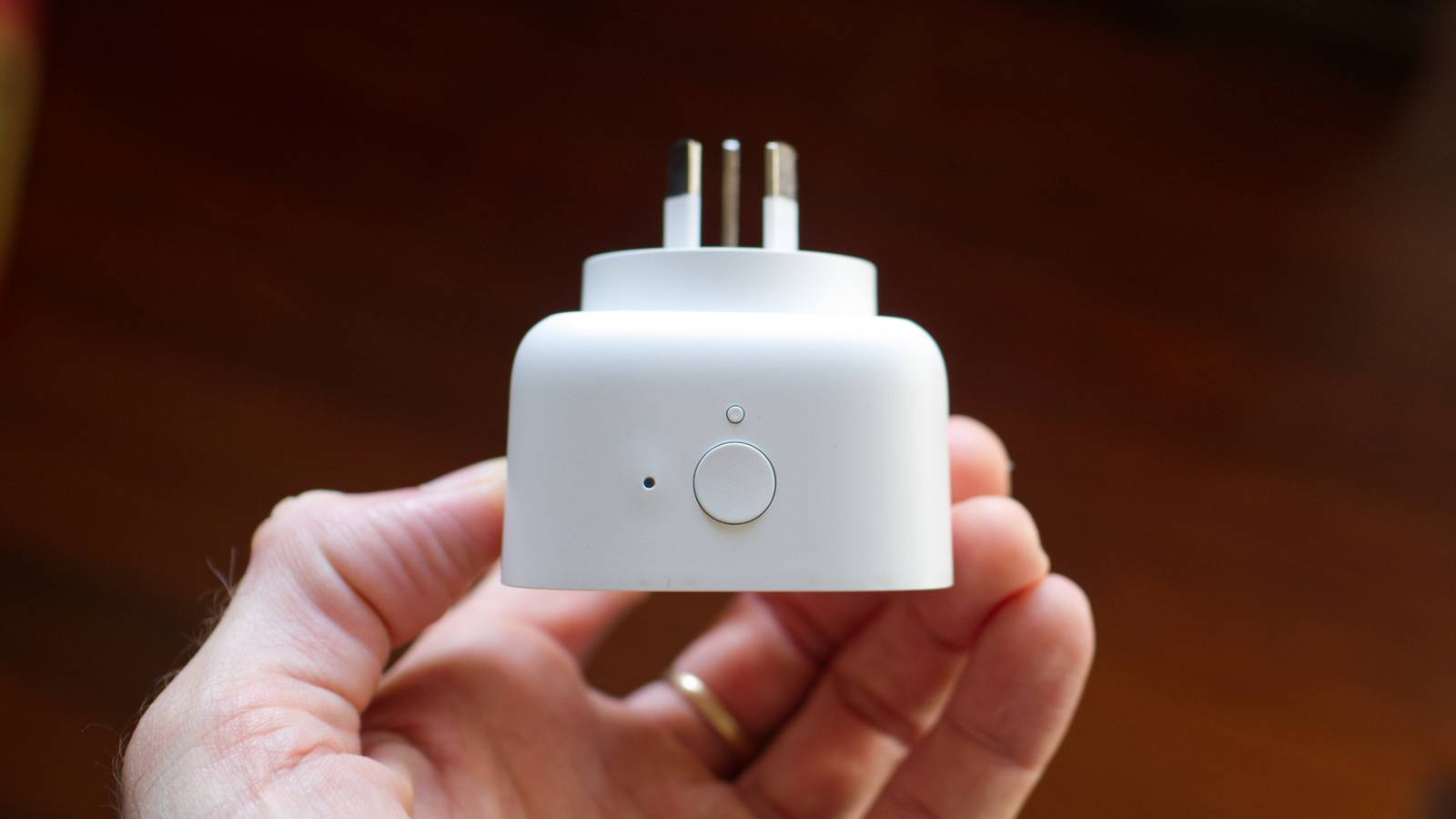
Smart plugs and relays Eventually the relays will die Close If you have any smart plugs, you’ll be familiar with the clicking sound that they make when you turn them on or off.This is an electromechanical relay, and it’s the switching mechanism inside the plug that safely cuts or enables the flow of power.Eventually, this relay will fail, and your smart plug will need replacing.
How long this takes to happen greatly depends on the quality of the plug in question.Cheaper smart plugs are likely to use cheaper parts that can fail after a year or two, whereas higher quality plugs will likely last longer.How you use these plugs will also impact their lifespan.
Heat is a big contributing factor to electrical wear, so high power loads are best avoided for longevity’s sake.It should also be said that not all devices can be safely connected to a smart plug.Your Home Assistant microSD card A great reason to move to solid-state storage I’d argue that part of the reason that Home Assistant took off in such a big way is because the Raspberry Pi made for a cheap and easy smart home server.
The single-board computer remains one of the simplest ways to get up and running with the world’s best smart home platform; just use the Raspberry Pi Imager tool to create a Home Assistant microSD card, and you’re off.Unfortunately, microSD cards were not designed for the sort of frequent reading and writing operations that operating systems like Home Assistant perform.A software update in late 2025 made it safer to run Home Assistant from a removable memory card, but your microSD card is still likely to experience accelerated wear if it’s at the heart of your smart home server.
You can upgrade your Raspberry Pi by adding a solid-state drive, or upgrade your server with a mini PC that already includes solid-state storage.Also make sure that you are creating and exporting backups so that you can easily migrate your smart home if the worst happens.Air quality and climate monitors Cheap sensors are particularly short-lived Sensors that measure climate and air quality are also on borrowed time.
This will happen gradually and presents as a drift in accuracy over time, so it’s not like you’re going to wake up one day and notice a sudden change.Some vendors recommend that relative humidity sensors last seven to 10 years, but you can always perform a simple experiment with some salt to test yours.Carbon dioxide (CO2) sensors should have a similar lifespan, but the advice for carbon monoxide (CO) sensors is stricter.
These sensors are often programmed with a “chirp of death” and have an expiry date printed on them to let you know they’re destined for replacement—which is important considering their role in protecting your household.Sensors that test for volatile organic compounds (VOCs) largely depend on the quality of the components used, with some claiming that cheap sensors last a few years at most.Want a more sustainable choice? Project Aura is a professional-grade ESP32-powered air quality monitor that uses off-the-shelf components that can be replaced.
Cloud-based devices that have reached end-of-life Look for devices that have local, offline capability Many of us have been burned by service shutdowns that see perfectly good devices lose much of their functionality because the parent company has decided to pull the plug.Last year saw Google’s first- and second-generation Nest thermostats lose a lot of functionality, while there were other disappointing moves from the likes of Logitech and Belkin too.You can plan for this eventuality and avoid it entirely by only buying smart home devices that include basic offline functionality.
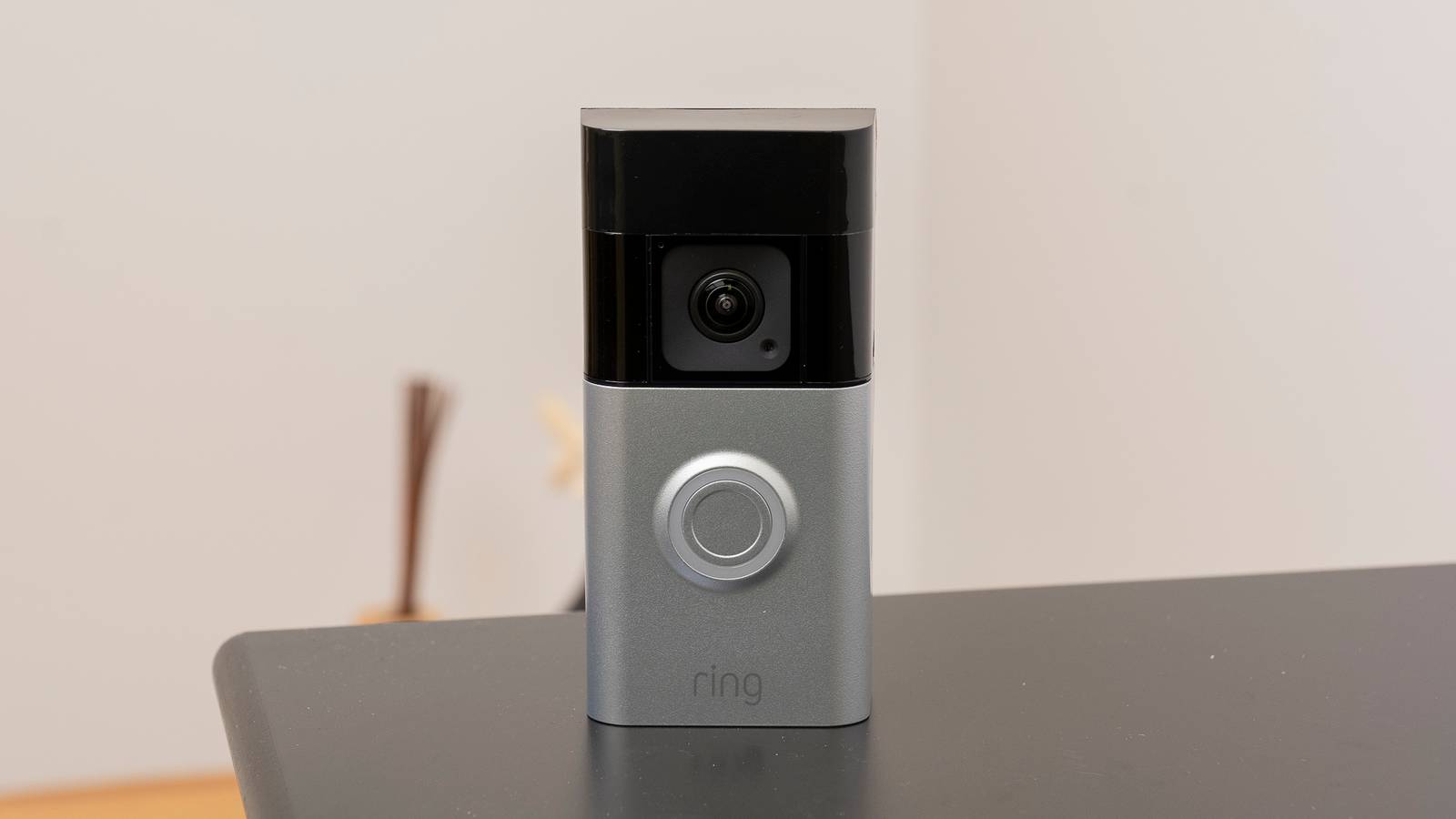
You can buy smart doorbells that don’t rely on the cloud, build an offline network video recorder for your home’s security cameras, and rely on mesh networks like Zigbee or Thread to bypass Wi-Fi (and the wider internet) altogether.Looking for another reason to ditch Google or Amazon’s smart homes for an open source option? Home Assistant’s 2026 updates have largely focused on ease of use and accessibility.
Read More