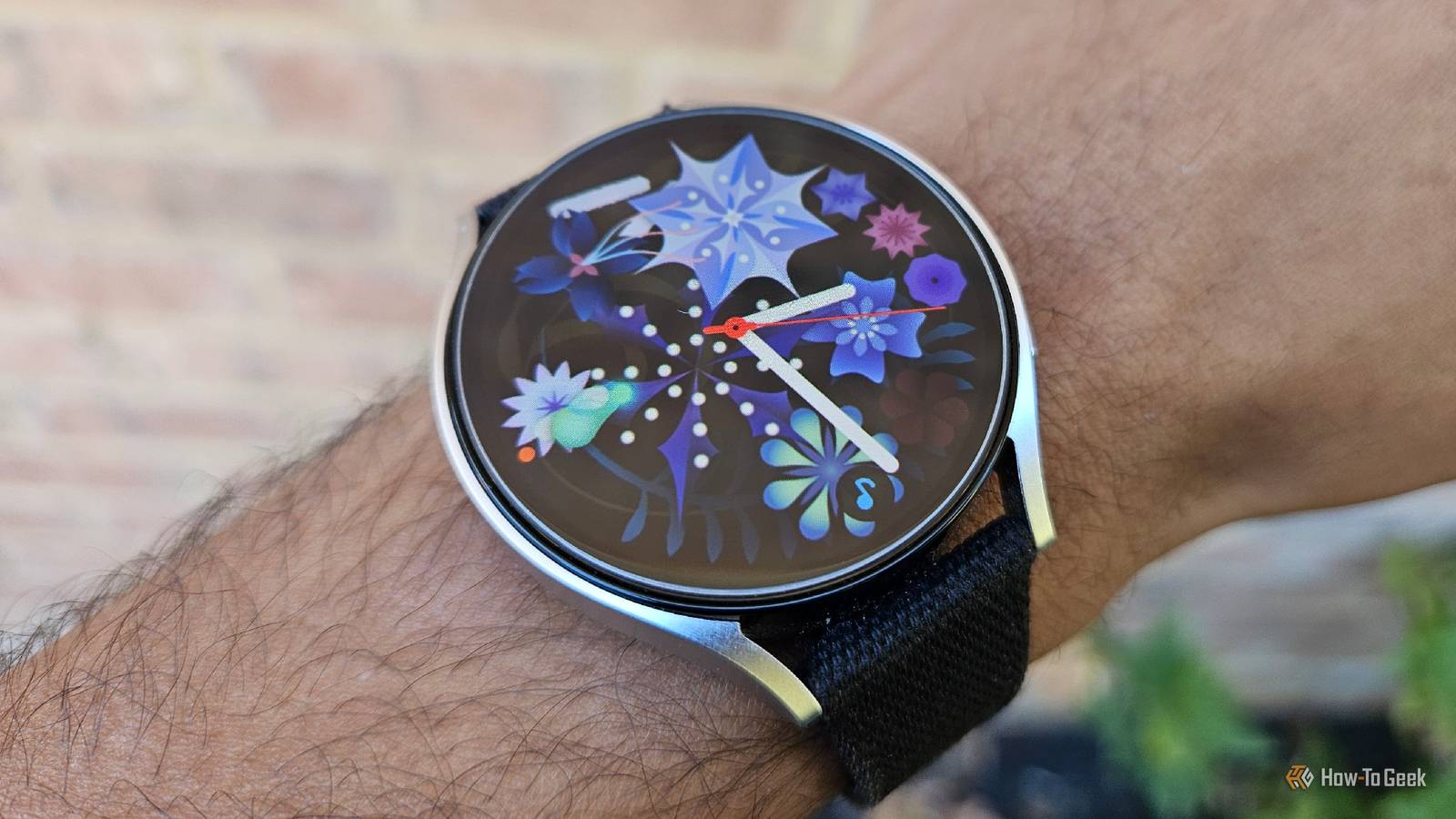
Samsung spent over a decade building a smartwatch platform on Tizen, then walked away from it in under two years.Now open-source developers are racing to keep thousands of orphaned watches functional before batteries outlast the software.Why Tizen smartwatches are becoming e-waste Samsung's shutdown timeline leaves working hardware stranded Close Samsung previously confirmed that support for its Tizen-powered smartwatches would officially end in September 2025, just a year ago, closing out an era that began with the original Galaxy Watch.
The wind-down actually started earlier, with Samsung notifying users it planned to sunset Tizen OS by the end of 2025 and immediately blocking new Tizen watch content from the Galaxy Store.The rollback traces back to September 30, 2024, when the Galaxy Store stopped offering paid content for Tizen devices, and purchases users had already made would stop being available for download, though existing downloads already on a device would remain there.This cutoff affects every Samsung Gear smartwatch and Galaxy-branded Tizen watch, including the Galaxy Watch, Galaxy Watch 3, Galaxy Watch Active, and Galaxy Watch Active 2.
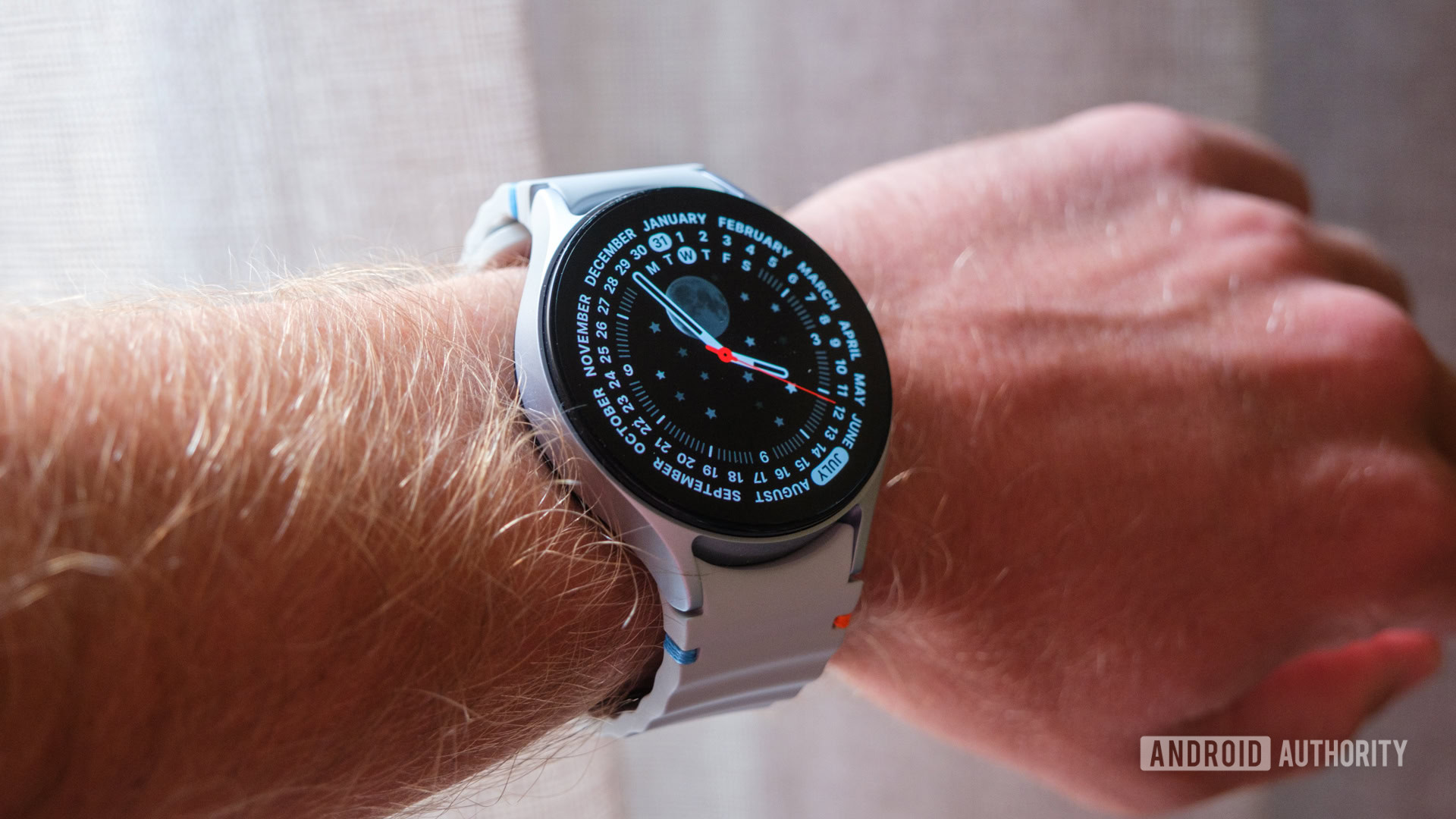
Devices released after the Galaxy Watch 3, starting with the Galaxy Watch 4 line, are unaffected because Samsung had already moved them onto Wear OS, the Google-backed platform it now builds its watches around.Not only is Wear OS the superior platform when it comes to ecosystem and adoption, but with Samsung's old watches being the only watches to use Tizen, users would run into trouble even if Samsung hadn't cut off downloads.For watch owners, then, the practical result is a watch that still boots and still tells time, but can no longer install new faces, apps, or updates.
It isn't bricked, but it's frozen in place, and a frozen smartwatch with no upgrade path is, functionally, headed for a drawer or a landfill.The hurdles toward a second life Tizen's closed hardware layer resists the usual open-source playbook That doesn't mean that developers aren't trying to make something out of these watches, but it's hard.The most active volunteer effort here is AsteroidOS, an open-source, Linux-based smartwatch platform built on components like OpenEmbedded, opkg, Wayland, Qt5, systemd, BlueZ, and PulseAudio, originally developed by French programmer Florent Revest.
The project has had real success reviving watches, but almost all of that success has come on Wear OS hardware, not Tizen hardware, and the reason comes down to plumbing.AsteroidOS typically relies on libhybris to port itself onto Android-based watches, a compatibility layer that lets Linux software talk to Android's proprietary hardware drivers.Samsung's Tizen watches were never built with that Android driver layer in the first place.
That gap shows up clearly in AsteroidOS's own documentation.For the Samsung Gear S2 Classic, the project notes that the device's vendor kernel is a very old 3.4 build with no existing abstraction for the Tizen hardware layer, so developers are attempting a mainline Linux kernel port instead of the usual libhybris route.But even sourcing the code to work from is a hurdle: downstream kernel sources for that watch are hosted on a contributor's personal GitHub page because Samsung no longer hosts them itself.
Flashing anything onto the hardware brings its own friction, since these watches take firmware either wirelessly through Samsung's NetOdin protocol or over USB through the standard Odin tool, sometimes requiring a cable soldered directly to internal pads.Yikes.The project's official porting tracker is candid about where things stand: the Samsung Gear S2, S2 Classic, and S3 might be supported by AsteroidOS eventually, but they will need more work than other watches on the list.
This isn't unique to AsteroidOS or even to Samsung.Across the broader modding community, there's a long-running complaint that manufacturers satisfy the letter of the GPL by publishing kernel source that doesn't actually match what shipped on the device, which leaves developers reverse-engineering drivers instead of building from a clean baseline.Will it be done sometime? Progress is real, but it's measured in years, not months There's genuine momentum behind AsteroidOS, just not necessarily where Tizen owners need it most.
The project released version 2.0 nearly eight years after its first stable release, and the new version expanded hardware support meaningfully.It now covers Fossil's Gen 4, Gen 5, and Gen 6 watches, the Huawei Watch and Watch 2, several Ticwatch E and Pro models, the Oppo Watch, and the 2015 Moto 360, alongside partial support for a handful of other models.Most of those, notably, are Wear OS devices where the libhybris approach already works.
Still, there are signs the Tizen side is inching forward.The Samsung Gear 2 is now the project's first watch supported through a mainline Linux kernel, meaning it runs without needing libhybris at all, and the Asus ZenWatch 2 has picked up very basic support running on a mainline kernel too.That mainline-kernel approach is exactly the strategy being applied to the Gear S2 and S3, so every improvement made for one Samsung watch has a decent chance of transferring to the others.
AsteroidOS remains, by most accounts, the only large-scale effort focused specifically on repurposing existing smartwatch hardware rather than building new devices around open software, which means its pace effectively sets the pace for the whole ecosystem.Keep in mind that none of this happens on a corporate roadmap.It's contributor time, old hardware datasheets, and a lot of trial and error on watches Samsung has already stopped thinking about.
A working Tizen build on a Gear S3 is plausible within the next year or two based on current porting activity, but there's no firm date, and watches like the original Gear S2 may simply run out of willing contributors before they run out of battery cycles.An old platform's afterlife depends on volunteers, not Samsung Samsung's Tizen watches aren't dead, just abandoned by their maker.Whether they get a real second life now rests on a small, unpaid community reverse-engineering hardware Samsung never intended anyone outside the company to touch.
Read More