As new car prices continue to rise, more owners are choosing to hold onto their current vehicles longer, as the average car in the U.S.is now nearly 13 years old.To keep your car running smoothly well into its teen years, routine maintenance is essential.
Two of the simplest and most affordable maintenance items, the engine air filter and the cabin air filter, are often overlooked.The good news is that replacing either filter is usually an easy DIY project that requires little more than a few minutes and basic hand tools.Keep in mind the procedure for changing these filters varies from car to car.
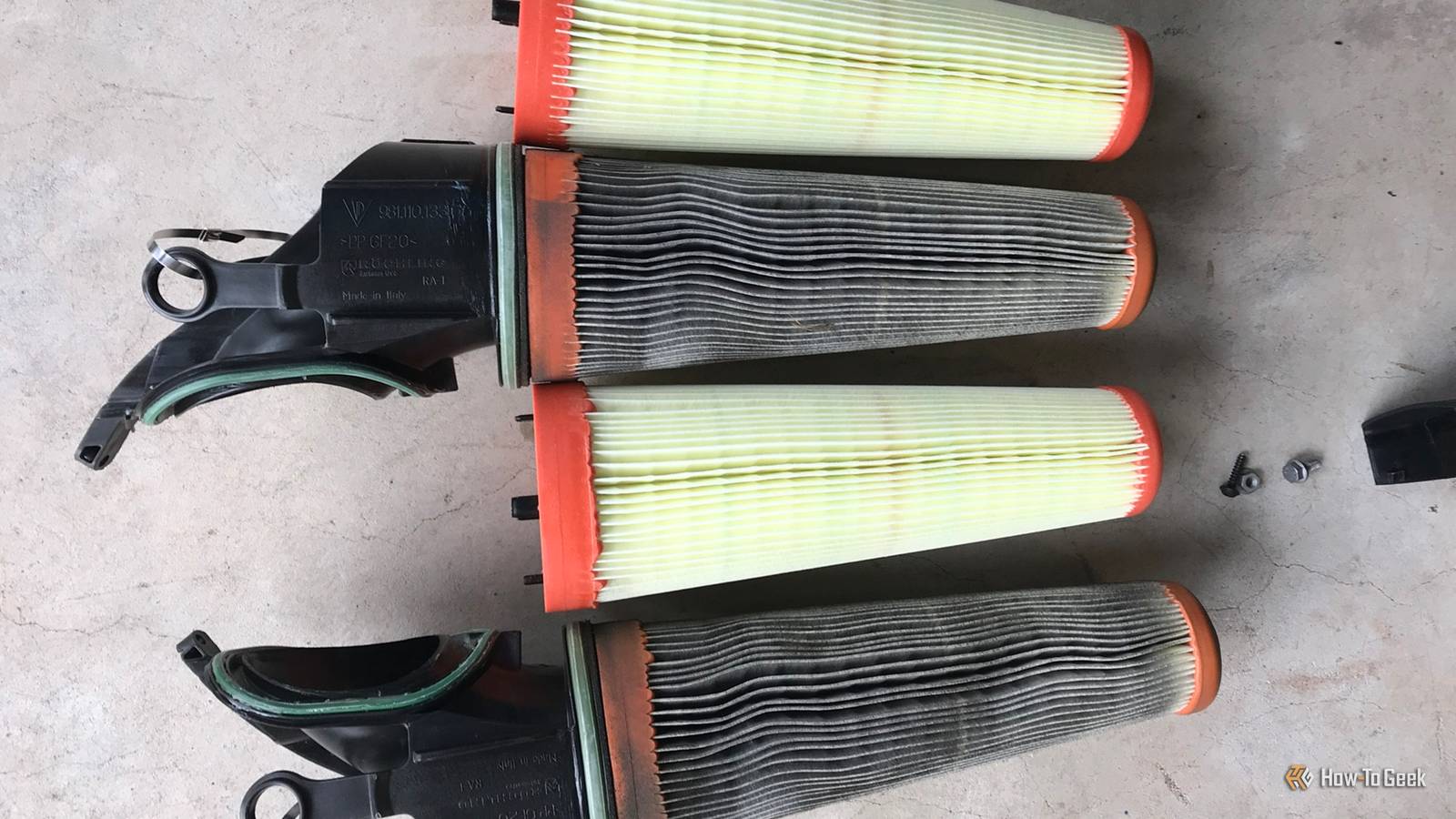
The pictures I included here are from my 2016 Porsche Cayman S.The mid-engine design makes the process of changing the engine air filters a bit more complicated.My car is also equipped with two cabin air filters instead of the usual one like you see on most passenger cars.
But I managed to change these filters myself without any issues.Your car will likely be easier (remember, YouTube is your friend).Many manufacturers recommend replacing both the engine and cabin air filters every 15,000 miles or once a year, but always check your owner’s manual.
Driving conditions also play a role in changing intervals.If you do a lot of off-roading or driving in dusty conditions, you may want to change the air filters more often.My Cayman S was primarily a track car, so it didn’t take long for the filters to collect a lot of junk.
Related I used a $40 OBD-II scanner and saved hundreds in unnecessary mechanic visits Using an inexpensive OBD-II scanner can save you money, time, and frustration.Posts 1 By Joe Kucinski How to replace an engine air filter Refer to your owner's manual if needed Close A dirty air filter doesn't always trigger a warning light, but it can produce noticeable symptoms.Reduced engine performance, slower acceleration, slight decrease in fuel economy, and a rough idle are all potential warning signs.
Before outside air reaches the engine, it passes through the engine air filter.Its job is simple but critical.It must trap dirt, dust, pollen, insects, sand, and other debris.
Without an air filter, those contaminants could damage sensitive engine components, accelerate wear, and reduce overall performance.Over time, as dirt accumulates on the filter, engine airflow decreases, forcing it to work harder to draw in the air it needs.Changing the engine air filters in my Porsche required taking half of the cargo area apart.
Thankfully, for most cars it is a far easier and quicker procedure.Generally speaking, you will open the hood and find the air intake box.It's usually a large black plastic housing connected to a tube leading toward the engine.
The housing is usually secured with metal clips or screws.Remove them to open the housing.Note the direction that the old filter is installed and lift it out of the housing.
I also like to inspect the housing itself to make sure there isn’t any debris inside.A quick wipe down of the housing or using a vacuum to remove any debris isn’t a bad idea.Once you have done that, you can drop the new filter in and secure the housing.
If you are driving something like an everyday sedan or crossover, this shouldn’t take you more than 10 minutes from start to finish.Related I ran a dealership express lube—these 4 services help your car last 200,000 miles With new car prices at an all-time high, I’ve resolved to keep my current vehicle as long as possible.Posts By Carl Anthony How to replace a cabin air filter May need to remove a small trim panel Close While the engine air filter protects your vehicle, the cabin air filter protects you.
Located within the HVAC system, the cabin air filter removes airborne contaminants before they enter the passenger compartment.Depending on the filter design, it can capture dust, pollen, mold spores, soot, smoke particles, and other allergens.Many newer vehicles use activated charcoal cabin filters that also help reduce odors from traffic, industrial areas, and wildfire smoke.
If you've ever noticed weak airflow from your vents or a musty smell when turning on the AC or heat, the cabin filter may be overdue for replacement.Cabin air filters vary more by vehicle, but many are surprisingly easy to access (although sometimes you need to be a bit of a contortionist to be able to remove and replace a cabin air filter).Some cars, like my Porsche, have a pre-cabin filter located under the hood.
This is typically very easy to replace and follows a procedure similar to changing the engine air filter.If your car has only one cabin air filter, it is often located behind the glove box or under the dashboard.Many glove boxes can be lowered by squeezing the sides inward or releasing small retaining tabs.
Once lowered, you'll typically see a narrow rectangular access door covering the filter.Some vehicles place the filter underneath the passenger-side dashboard.You may need to remove a small trim panel before accessing the filter housing.
Once you've located the filter, remove the access cover.Slide the old filter out.Note the airflow direction indicated by the arrows on the filter.
Insert the new filter in the same orientation.Reinstall the cover and any trim pieces.Related Topping off your coolant isn’t enough—5 reasons you need a flush While new vehicles may have a “lifetime” coolant, there are some exceptions.
Posts By Carl Anthony A small maintenance job that pays big dividends Replacing your engine air filter and cabin air filter is one of the best things you can do for your vehicle.Fresh filters protect your engine from harmful debris, help maintain proper airflow, improve HVAC performance, and provide cleaner air inside the cabin.Better yet, they're among the easiest DIY maintenance jobs most owners can tackle in under 30 minutes.Remember that even though some manufacturers recommend replacing your engine and cabin air filters every 15,000 miles, your driving habits determine how soon they should be changed.
Read More