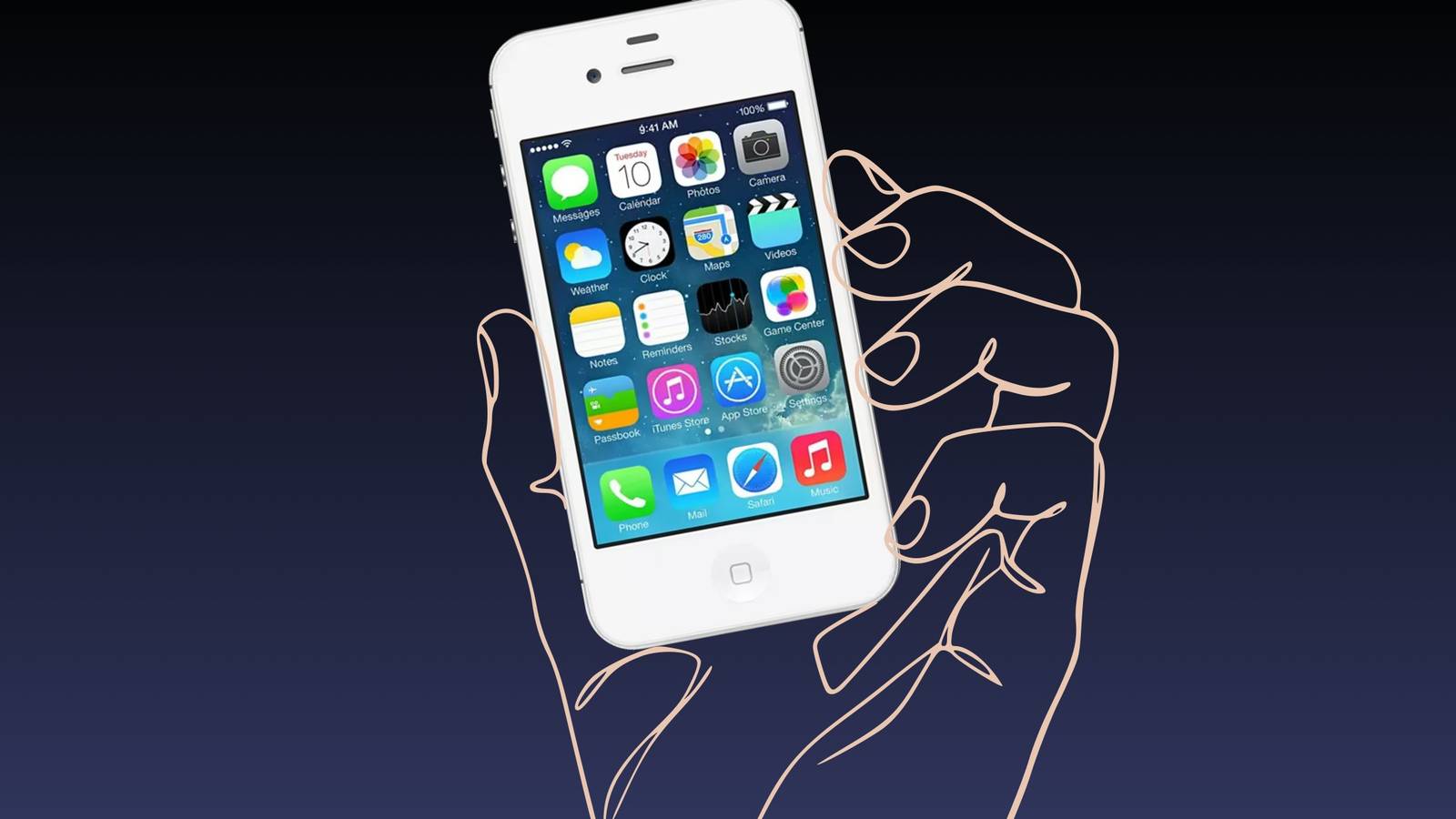
Let’s face it — iPhone announcements have become a bit boring.We don’t need leaks and rumors to know what to expect anymore.In 2010, however, things were different.
It started with a police raid and ended with historic memes.This is the story of the iPhone 4.Step into the Wayback Machine The mother of all phone leaks The iPhone 4 was officially unveiled by Steve Jobs on June 7th, 2010, but the story starts much earlier.
At this point in time, Apple had released three very similar iPhone models: the original, a 3G version, and a faster “3GS” model.But it didn’t matter — everyone wanted an iPhone.The hype for the next one was unprecedented, and it began a solid five months before Steve Jobs walked on stage.
On January 27th, 2010, the world got its first look at the iPhone 4 — it just didn’t know it yet.received leaked images of the original iPad, but it wasn’t until three months later that people realized the iPhone 4 had also been present in the images.That information came from perhaps the most infamous leak in technology history.
On April 19th, 2010, published an article titled “This Is Apple’s Next iPhone.” It revealed the iPhone 4 and its brand-new design in full glory.Close Now, it’s important to understand that the secrecy surrounding Apple products was on another level at this time.When Steve Jobs showed off the original iPhone on stage in 2007, it was largely a genuine surprise.
The company went to great lengths to ensure that no one saw products before they were officially unveiled, and it was ruthless about leaks.So, how did get its hands on an actual iPhone 4 two months before it was announced? The story goes that Gray Powell, an Apple Software Engineer, accidentally left an iPhone 4 prototype at a bar in Redwood City, California.Someone else at the bar ended up with the phone, thinking it was an iPhone 3GS with weird stickers on it.
The next morning, the phone had been remotely wiped, and the person realized it was actually an unreleased iPhone in a disguise.Weeks later, after having no luck contacting Apple, acquired the device for $5,000, confirmed it to be real, and introduced the world to the iPhone 4.Later that month, the California REACT task force raided the home of the Gizmodo editor.
Apple was accused of making this happen, but it denied any involvement.Regardless, the damage had already been done.The iPhone 4 set the standard for phone design A new era of Apple design After months of drama, Steve Jobs finally stood on stage and held up the iPhone 4 on June 7th, 2010.
It marked a brand new hardware design for the iPhone — a design that has aged extremely well.Tell me if this sounds familiar: glass front panel, flat glass back panel, and a flat-edged metal frame.16 years later, this exact style can be seen in countless smartphones.
Galaxy S26 series: glass front panel, flat glass back panel, and a flat-edged metal frame.Pixel 11 series: glass front panel, flat glass back panel, and a flat-edged metal frame.Apple eventually switched it up with a rounded-edge profile and metal back cover, but for the last several generations, it’s been back with the tried and true glass front panel, flat glass back panel, and a flat-edged metal frame.
It’s a timeless design.Close Reviews praised the iPhone 4’s design.Previous models were certainly not ugly, but this was a significant visual upgrade.
Smartphones of the time typically were plastic and utilitarian, but the iPhone 4 looked and felt every bit like a piece of jewelry.Apple was so proud of the design that it released a “bumper” case that left the back of the phone fully naked.This case would end up being more important than Apple intended.
The iPhone 4 kicks off “antenna-gate” “You’re holding it wrong” The flat-edged metal frame was not only an aesthetic choice, but it also doubled as the iPhone 4’s antenna.As sophisticated as it looked, this design ended up causing a lot of trouble for Apple.Not long after the iPhone 4 launched, people began reporting signal strength issues when holding the phone in a specific way.
If you touched the lower left edge of the phone, it would interfere with the antennas enough to drop calls in areas with poor reception.It affected so many people that Apple was forced to address it.Close Apple’s first statement only made the situation worse.
It took no responsibility for the issue, claiming it was a “fact of life for every wireless phone.” Even more egregiously, Apple advised people to “avoid gripping it in the lower left corner…” or use a case.This is when the infamous “you’re holding it wrong " meme was born.Apple put all the blame on its customers and hoped the problem would go away.
It did not go away.In July, only a month after the iPhone 4 launched, a class action lawsuit was filed against Apple and AT&T (the exclusive carrier of iPhones in the U.S.).The lawsuit alleged that Apple knew about the manufacturing defects that caused connection issues before the phone was released.
Apple quickly issued another statement, saying it had discovered the issue causing the "dramatic drop in bars".Good timing.It explained that the issue was in the formula it used to determine the number of signal bars to display, but not in the actual ability of the phone to hold a signal when gripped a certain way.
Once again, people did not appreciate Apple’s response.The situation continued to escalate to the point where Apple held a special press conference and gave journalists a private tour of the company’s antenna design lab.Steve Jobs announced that Apple would give all iPhone 4 owners a free bumper case — or refund those who already purchased one — to help with the antenna issue.
Technical issues couldn’t stop the iPhone Renaissance The iPhone 4 was a hit The iPhone 4’s launch was marred by negative publicity.It was even pulled from several publications’ “Top Phones” and recommendation lists due to the reception issues.Despite all of that, the iPhone 4 was a massive success.
In early 2011, the iPhone lineup finally broke free from AT&T’s grasp when the iPhone 4 launched on Verizon.Apple took this opportunity to include a brand new antenna array.The iPhone 4 ended up sitting as Apple’s flagship iPhone model for 15 months, and the company continued to manufacturer it for nearly four years.
The iPhone 4 has gone down in history as a complicated device.It showcased the best and worse of Apple.A ground-breaking design that has stood the test of time, and a condescending attitude toward customer complaints.
Ultimately, it’s clear that the iPhone 4 marked a turning point for the iPhone.Related The iPhone Fold is starting to feel real—here's what we know (Update) The evidence is piling up.Posts 2 By Joe Fedewa
Read More