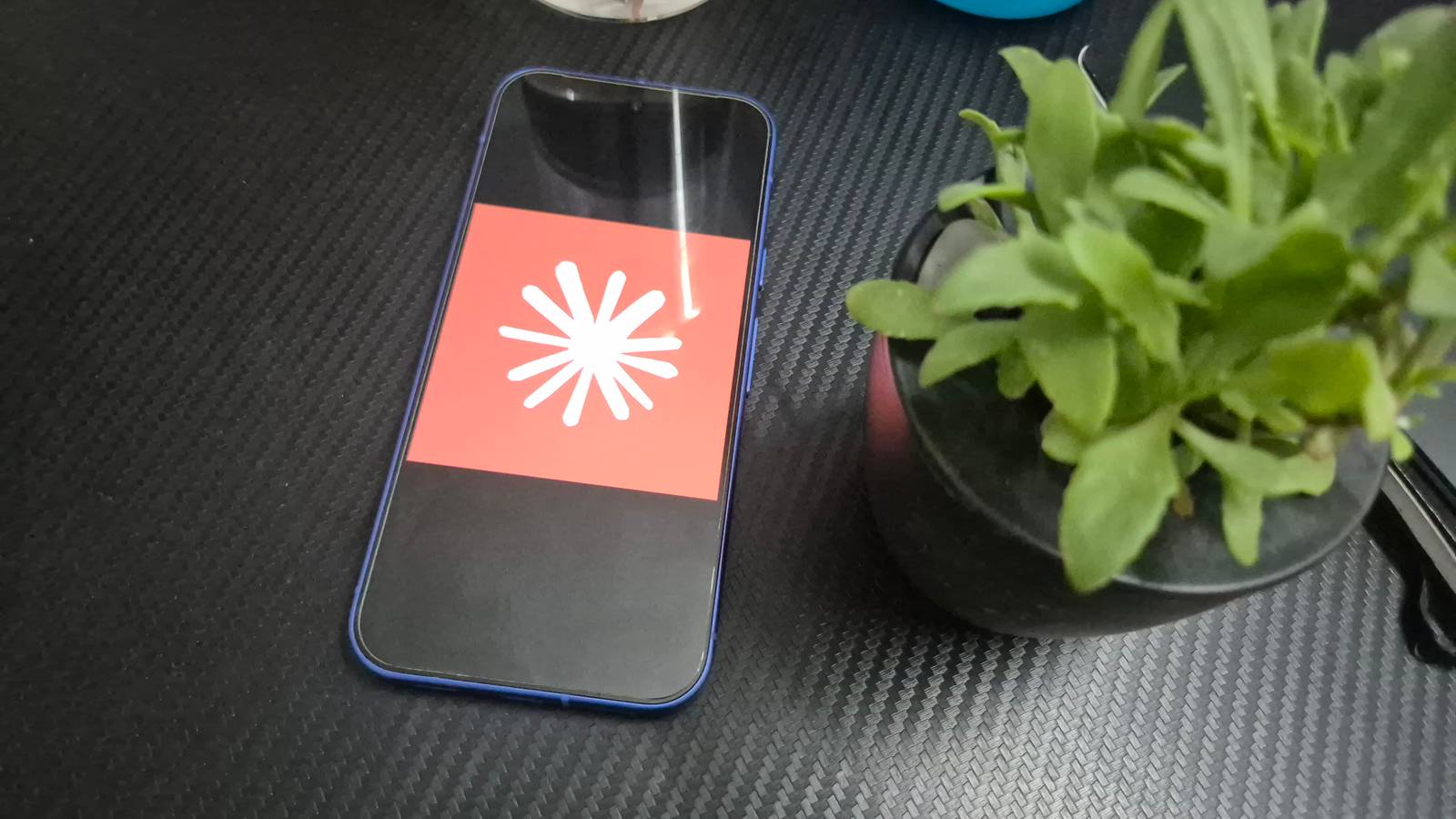
You might want to think carefully the next time you copy-paste text from an AI chatbot.Anthropic has confirmed that its Claude AI models now watermark generated text and files, making it easier to gauge the authenticity of material — with major ramifications for slop and privacy issues.An updated support page reveals that all Claude models launched from August 2, 2026 onward add watermarks.
Text has an "imperceptible" mark in the text itself, while files like JPEG and PNG images use the open C2PA standard to make clear Anthropic's model was involved.Anthropic notes that the watermarking isn't "fully conclusive." It can tell you AI was involved, but won't tell you who was responsible or whether the content was changed afterward.Heavy editing, "very short" text, and processing can also dilute the watermark, so you can't assume a human was wholly responsible if a mark isn't detected.
The watermarks will be present worldwide and travel with the content.Models released before August 2 will introduce watermarking in the future, Anthropic says.Why does Claude watermark AI text and files? EU law gives Anthropic no choice Anthropic is applying a watermark in response to the European Union AI Act's Code of Practice on Transparency of AI-Generated Content, whose first provisions entered into effect on August 1, 2024.
The EU has gradually enforced more provisions around "general-purpose" AI models, and on August 2, 2026 began enforcing "core obligations" around transparency and "high-risk" AI systems in fields like education, justice, and medicine.Companies that violate the AI Act face penalties of up to €35 million (about $40.4 million) or 7 percent of their worldwide yearly turnover, whichever is higher.Related I tested over 100 Claude Code plugins—here are the 5 that actually matter I installed over 100 Claude Code plugins so you don't have to.
Here's the signal from the noise.Posts By Dibakar Ghosh Anthropic doesn't have much choice, in other words.Even if you generate AI content outside the EU, it has to be marked in case it passes through.
Google, Meta, OpenAI, and other companies have also said they would comply with the AI Act's Code of Practice, so switching models won't help you avoid watermarks.The marking could have mixed consequences.It might discourage AI slop, plagiarism, and misinformation by helping to spot machine-made content.
However, there are privacy implications.Even though the watermarks won't directly identify you, they will show that someone used Claude and aid efforts to trace the origins of your work.Especially in text, where metadata is still rare, you might share more than you'd like.
Read More