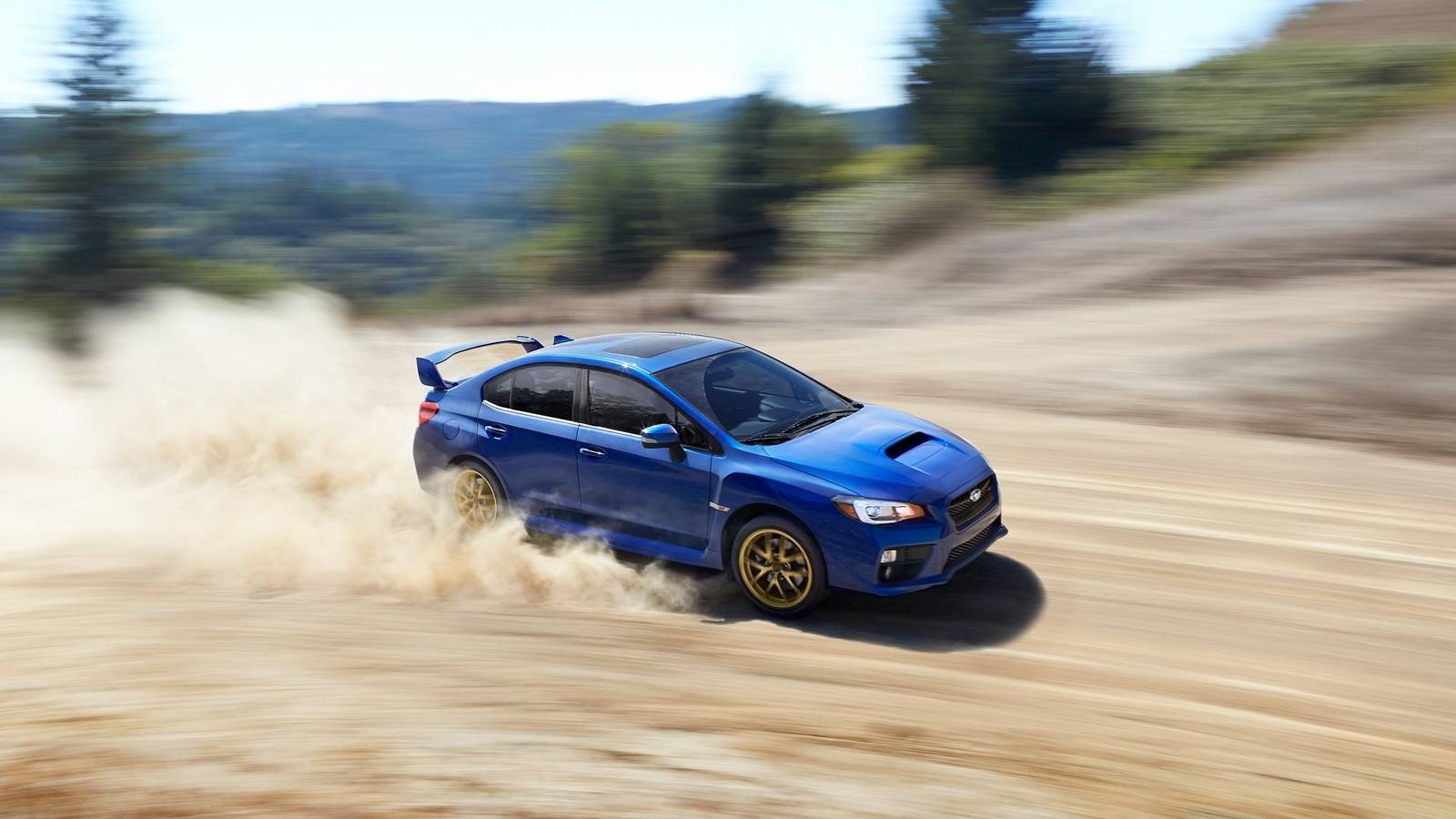
Subaru’s symmetrical all-wheel-drive system is seriously impressive.It delivers confident, full-time traction whether you’re in bad weather or pushing performance limits.In a world where many AWD systems are reactive or only kick in when needed, Subaru’s setup really stands out.
It’s one of the few that feels seamless and predictable all the time.That said, some advanced systems, like Audi’s quattro on the 2025 A8, give Subaru a run for its money.In this article, we’ll break down how Subaru compares to other popular AWD systems and what makes each unique.
The AWD systems featured here are the most widely used by each brand today.This isn’t a deep dive—think of it as a general look at how popular modern AWD setups compare.To keep things accurate and current, we pulled data from Acura, Audi, BMW, Subaru, and other trusted sources like CarBuzz.
Related The Cheapest Crossover With Standard AWD in 2025 A value packed option with tons of traction.Posts By Tyler Dupont Why all-wheel drive is winning over drivers everywhere Four wheels powered beats two every time—here’s why it matters Think of all-wheel drive like four-wheel drive for your sedan or crossover—but smoother and easier to use.It’s not for off-roading or mud bogs; it’s all about keeping power flowing when traction starts to slip.
In an AWD system, all four wheels get torque, but how that power is delivered varies by automaker.Different systems send different amounts of torque at different times, using different methods.The bottom line: four powered wheels means more grip, more control, and a safer ride no matter the weather.
It’s what makes AWD so useful for everyday driving.AWD systems differ between manufacturers, but the drawbacks are pretty similar.Sending power to all four wheels usually hurts fuel economy and adds complexity to the driveline.
That said, modern AWD has come a long way.Lighter materials and computer-controlled clutches in the differentials and transfer cases make it more efficient and reliable than ever.The trade-off is a small hit to fuel efficiency and more complicated repairs, but it's worth it for better traction and confident performance on the road.
Related Toyota Land Cruiser or 4Runner: The Ultimate Off-Road Showdown Land Cruiser and 4Runner go head-to-head to crown Toyota’s true off-road champion.Posts 1 By Tyler Dupont Subaru: The AWD benchmark Why Subaru’s all-wheel drive stands out from the rest Subaru’s Symmetrical All-Wheel Drive (SAWD) is their signature full-time AWD system.It comes standard on almost every model, except for the BRZ, which sticks to rear-wheel drive.
What makes Subaru’s AWD so effective is that it’s always active.Most other AWD systems are on-demand, relying on front-wheel drive until they detect a loss of traction.When traction is lost, on-demand systems send power where it’s needed, but it’s not as seamless as Subaru’s symmetrical setup.
That constant balance is what gives Subaru cars their confident, predictable feel on the road.Subaru’s SAWD system is unique thanks to its symmetrical layout along the car’s centerline.This setup wouldn’t be possible without the Boxer flat engine found in most Subarus.
The engine sits longitudinally with the transaxle mounted right behind it, similar to a rear-wheel-drive car or truck.That layout reduces steering and suspension limitations, minimizes driveline losses, and allows the front and rear axles to be the same width.The payoff is equal weight distribution and a lower center of gravity.
The resul is better stability, sharper handling, and a more composed driving experience.All Subaru AWD systems are technically “symmetrical,” but they don’t all send power the same way.Most late-model Subarus with CVTs use what’s called active torque split, which starts with a 60:40 front-to-rear bias.
If traction is lost, a multi-plate center clutch can send up to 100% of torque to the rear wheels.This makes the system seamless and keeps the car stable no matter the conditions.The performance-oriented WRX with a CVT is a bit different.
It uses Variable Torque Distribution (VTD), which is rear-biased at 45:55 and relies on a center differential with planetary gears and electronic controls for sharper handling.2026 Subaru SAWD application Model Crosstrek Forester Outback Ascent Impreza WRX Solterra BRZ SAWD type Active Torque Split Variable Torque Distribution (VTD) or Continuos AWD Electric Symmetrical AWD RWD only Related This is the Last AWD Sports Sedan You Can Buy With a Manual In a world of automatics and crossovers, this lone AWD sports sedan keeps the manual gearbox alive, offering true driving engagement in 2025.Posts By Tyler Dupont How Subaru AWD stacks up against rivals Acura SH-AWD Acura’s SH-AWD is a torque-vectoring system that can do more than just split power front to rear.
It also shifts torque side to side at the rear using electronically controlled clutch packs, letting each rear wheel work independently.What’s especially cool is that SH-AWD can send up to 70 percent of the engine’s power to the rear wheels.On top of that, it can move that power left or right in a corner, improving control and making the car feel more planted when you push it.
Acura’s SH-AWD relies on a web of sensors that track things like wheel speed, steering angle, and lateral Gs to decide exactly where torque should go.The goal is simple: keep the car stable and in control no matter what you’re doing.Where it really shines is during spirited driving.
By sending more power to the outside rear wheel and slowing the inside one, SH-AWD helps fight understeer and actually nudges the car through corners.BMW xDrive BMW’s xDrive comes in a few different flavors, but like Subaru’s system, it’s always engaged.In rear-biased setups with longitudinal engines, power flows like a traditional RWD car until the system sends up to 50% forward when traction slips.
If things get sporty, xDrive can even send all available torque to the rear wheels.Sensors monitor wheel speed constantly, letting the system react almost instantly when grip disappears.BMW models with transverse engines use a different xDrive setup altogether.
These cars run mostly in front-wheel drive, kicking power to the rear axle only when needed—similar to Audi’s Haldex-style quattro system.There’s also a more advanced version called Dynamic Performance Control.It uses torque vectoring to overdrive the outside wheel in a corner, helping reduce understeer and making the car feel sharper when pushed.
Audi quattro Audi’s all-wheel-drive story starts with the original quattro from 1980—the system that helped turn the brand into a rally legend.Like its rivals, quattro has evolved a lot over the years, branching into a few different setups depending on the model.Subscribe to the newsletter for deeper AWD insights Unlock detailed analysis and head-to-head AWD breakdowns by subscribing to the newsletter.
Subscribing broadens your access to clear, expert coverage of torque distribution, torque-vectoring, and related automotive systems and engineering.Subscribe By subscribing, you agree to receive newsletter and marketing emails, and accept Valnet’s Terms of Use and Privacy Policy.You can unsubscribe anytime.
Most newer Audis with longitudinal engines use quattro Ultra, an efficiency-focused, on-demand system.It runs in front-wheel drive most of the time to save fuel, only waking up the rear axle when sensors detect aggressive throttle or slipping wheels.When that happens, an electro-hydraulic multi-plate clutch smoothly feeds torque to the rear wheels, using data from steering angle, wheel speed, and throttle position.
A second clutch at the rear axle helps keep everything seamless and predictable.Audi also still offers a more traditional mechanical quattro with a Crown Gear center differential.This setup runs a rear-biased 40:60 split by default and can send up to 85 percent of torque rearward—or 70 percent forward—plus optional sport differentials for torque vectoring in performance models.
Audi’s sport differential actively shuffles power across the rear axle to sharpen handling and keep understeer in check at speed.By overdriving the outside rear wheel and dialing back the inside one, it helps rotate the car through corners, letting you brake later and get back on the gas sooner.For models with transverse engines, Audi relies on a Haldex-style setup.
It’s normally front-wheel drive, but when the front tires slip, a clutch at the rear axle kicks in and can send up to 50 percent of the torque rearward—simple, compact, and surprisingly effective.Related The 10 Most Affordable New SUVs With Available AWD These budget-friendly new SUVs bring traction and value in one package.Posts By Tyler Dupont Does one AWD system come out on top? With modern AWD so advanced, the real winner is any car that has it Modern AWD systems are smarter than ever, using different but equally effective ways to juggle torque for better grip, stability, and confidence.
Compared to a traditional two-wheel-drive setup, AWD delivers a clear edge in both safety and performance.With today’s computer-controlled systems minimizing the usual downsides, the pros easily outweigh the cons—and there’s no single winner.If anything, the real loser is the car that doesn’t have AWD at all.
Read More