Communities across the United States are reading about — and learning from — each other's battles against data center proposals that are fast multiplying in number and size to meet steep demand as developers branch out in search of faster connections to power sources.In many cases, municipal boards are trying to figure out whether energy- and water-hungry data centers fit into their zoning framework.Some have entertained waivers or tried to write new ordinances.Some don’t have zoning.
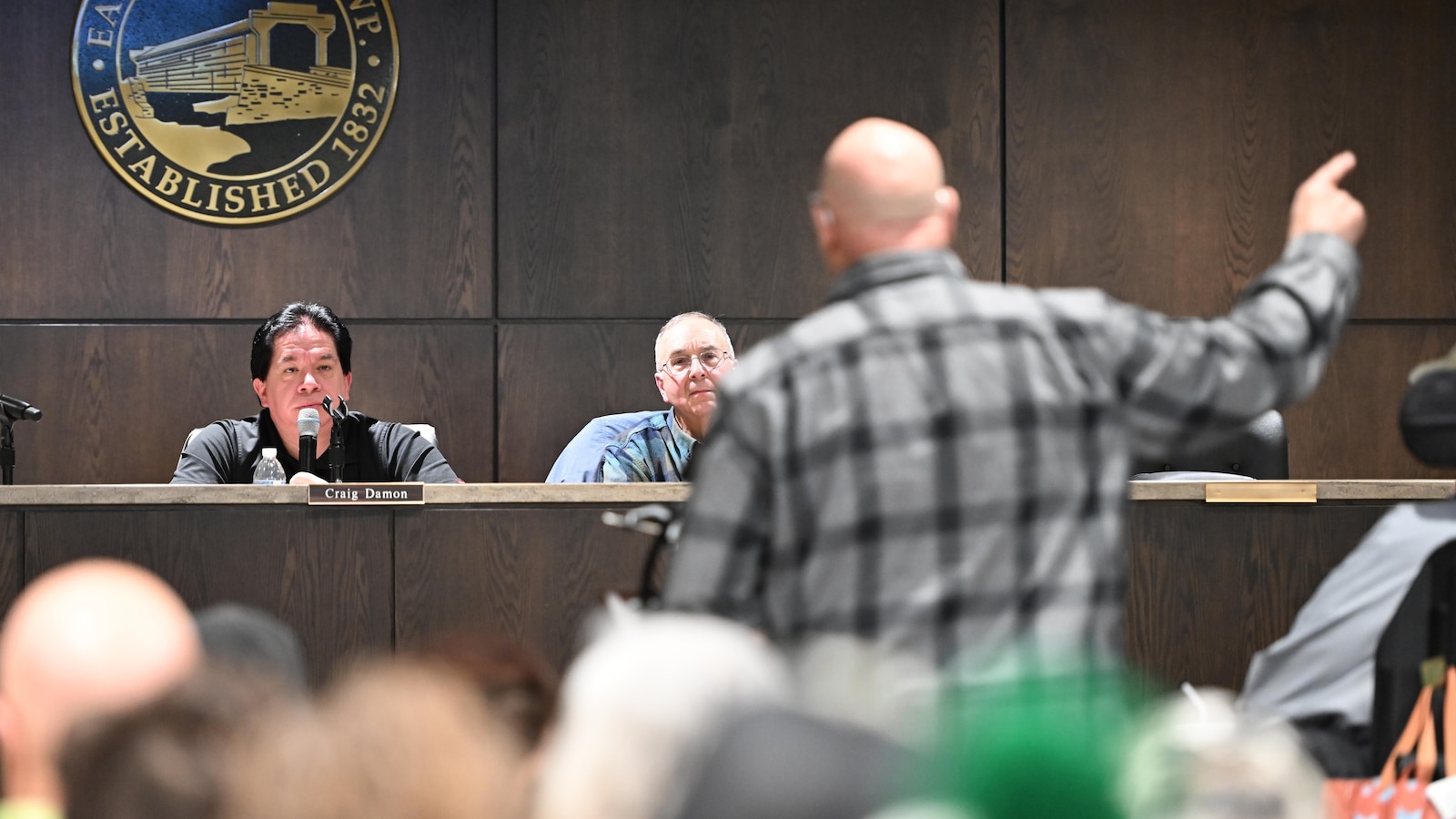
“Would you want this built in your backyard?” Larry Shank asked supervisors last month in Pennsylvania's East Vincent Township.“Because that’s where it’s literally going, is in my backyard.”A growing number of proposals are going down in defeat, sounding alarms across the data center constellation of Big Tech firms, real estate developers, electric utilities, labor unions and more.Between April and June alone, its latest reporting period, it counted 20 proposals valued at $98 billion in 11 states that were blocked or delayed amid local opposition and state-level pushback.
That amounts to two-thirds of the projects it was tracking.“I’ve been doing this work for 16 years, worked on hundreds of campaigns I’d guess, and this by far is the biggest kind of local pushback I’ve ever seen here in Indiana,” said Bryce Gustafson of the Indianapolis-based Citizens Action Coalition.In Indiana alone, Gustafson counted more than a dozen projects that lost rezoning petitions.For some people angry over steep increases in electric bills, their patience is thin for data centers that could bring still-higher increases.Losing open space, farmland, forest or rural character is a big concern.So is the damage to quality of life, property values or health by on-site diesel generators kicking on or the constant hum of servers.
Others worry that wells and aquifers could run dry.Lawsuits are flying — both ways — over whether local governments violated their own rules.Even with high-level support from state and federal governments, the pushback is having an impact.Popular ReadsSeveral trails temporarily closed on California mountain after 3 hikers found deadJan 1, 11:51 AMWhy the 2026 NYE ball will drop again this yearJan 1, 8:01 AMSheriff releases dash cam video that may show missing 19-year-old girlDec 30, 7:53 AMWinning over local officials, however, hasn't translated to winning over residents.Developers pulled a project off an October agenda in the Charlotte suburb of Matthews, North Carolina, after Mayor John Higdon said he informed them it faced unanimous defeat.The project would have funded half the city’s budget and developers promised environmentally friendly features.But town meetings overflowed, and emails, texts and phone calls were overwhelmingly opposed, “999 to one against,” Higdon said.Had council approved it, “every person that voted for it would no longer be in office,” the mayor said.“That's for sure.”In Hermantown, a suburb of Duluth, Minnesota, a proposed data center campus several times larger than the Mall of America is on hold amid challenges over whether the city’s environmental review was adequate.Residents found each other through social media and, from there, learned to organize, protest, door-knock and get their message out.They say they felt betrayed and lied to when they discovered that state, county, city and utility officials knew about the proposal for an entire year before the city — responding to a public records request filed by the Minnesota Center for Environmental Advocacy — released internal emails that confirmed it.“It’s the secrecy.
The secrecy just drives people crazy,” said Jonathan Thornton, a realtor who lives across a road from the site.Rebecca Gramdorf found out about it from a Duluth newspaper article, and immediately worried that it would spell the end of her six-acre vegetable farm.She found other opponents online, ordered 100 yard signs and prepared for a struggle.“I don’t think this fight is over at all,” Gramdorf said.___