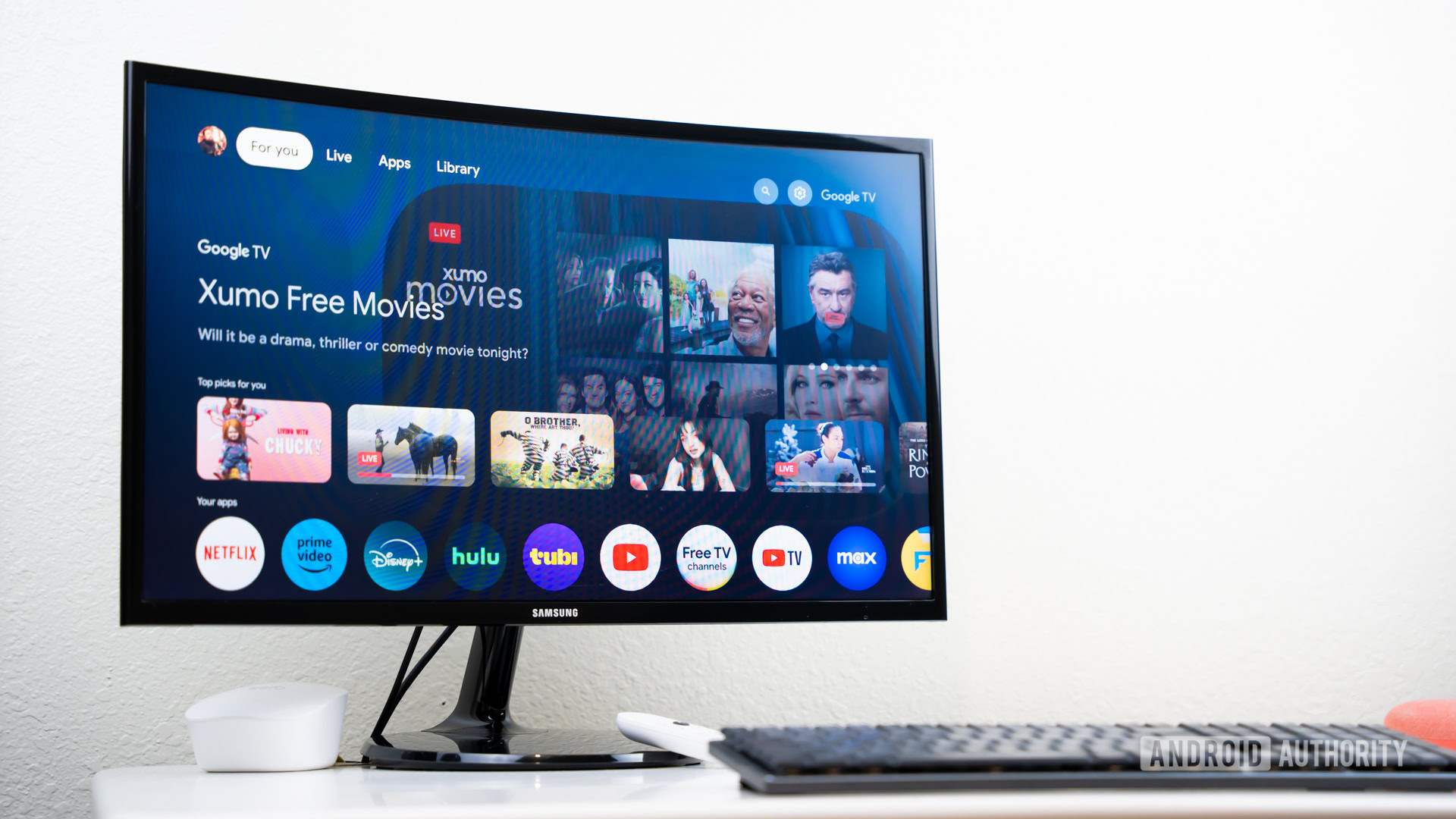
We’ve all been there.Streaming video on your TV, Hulu keeps buffering.You switch over to Netflix.
Slow.Amazon Prime, Disney+, even YouTube TV all frustrate you with poor streaming quality and pixelated pictures. It’s time to end this nightmare.Want to improve video streaming? It all starts with your internet connection.
What is buffering? The universal symbols for buffering are the infinite loop or the hourglass.“Buffering” is when your online device pauses mid-task.Your system will put your task on hold until enough data is downloaded to allow the music or video stream to play without lag.
Though buffering may be annoying at first, it’s meant to help you stream more fluidly. This temporary lag is often seen at the beginning of a video, but it can also occur when opening new web pages, streaming music or using apps on your cellphone.What’s causing my video to buffer? A slow internet connection Lack of bandwidth Provider throttling A slow network Too many devices on a network Device problems Poor Wi-Fi signal The video resolution is too high Buffering hacks: How to stop buffering before it stops you If you’re experiencing lagging or buffering while you stream your TV shows or movies, it likely has to do with your Wi-Fi connection. Unlike cable TV, streaming relies solely on your internet to bring you video.If your connection is not fast enough to support the bandwidth necessary for streaming, it can cause issues. Problem Solution Webpage won’t loadClose unnecessary tabs.
Restart your browser or switch to a different browser (i.e., try using Chrome instead of Safari).Some pages load better in alternate browsers.Video stream won’t play Pause the video to allow enough data to download.
Lower playback quality on your streaming service.Music streaming won’t playPause music player to allow more data to download.App is freezingDelete and re-download the app.
Close/turn off background applications in your settings tab.General buffering and lagUpdate virus protection on your device.Viruses and malware can slow operations.
Upgrade your internet speed.It matters what type of internet you have … Let’s just say this upfront — avoiding all buffering is probably unavoidable.Some internet connections are simply better than others, or you may experience slowdowns out of your control.
But identifying what type of internet you’re currently using can help you determine if you need to upgrade your plan or connection for a more consistent performance. DSL Cable Fiber 5G Satellite Upgrade your internet connection You should first look at your internet speed and compare that speed with the speed required for streaming.Most streaming services require at least 15 – 25 Mbps for quality video streaming, but you also need to consider how many streaming services you have and the amount of devices connected to your home network. While you may be fine with a 100 Mbps plan living alone with only a couple of devices connected, you’ll need to upgrade to a plan with significantly more speed if you have multiple people living in your household who each have multiple devices connecting to your home network simultaneously. Upgrade your equipment Another reason you may experience issues while streaming is outdated equipment.You could have the fastest internet connection available, but if your equipment is outdated and can’t support those speeds, you’re paying for speeds you can’t access.
Ensure your modem, router or gateway device is up to date and can support the speeds of your internet plan.If they don’t, consider upgrading your equipment.This will ensure you’re getting closer to the speeds you pay for. Read more about our best routers, modems and gateways for your internet connection. Other tips to improve your streaming experience Restart the streaming service.
Log out and completely close out of the program.Reboot any devices you’re running it on, too. Reboot your home network.Sometimes, a quick reboot of the router is all you need to get things back in order. Move your Wi-Fi hub and router to an optimal location — somewhere central, open and away from obstruction. Kick some devices off the network.
If you have other devices or people using your internet, boot them off — politely, of course! — so you can dedicate the bandwidth to your streaming. Disable your VPN.When you use a virtual private network, your connection is rerouted along the way, which can cause lag. Change your DNS server.Sometimes, third-party DNS servers are faster than the default.
Here’s a list of free DNS servers to try. Upgrade your hardware — this could include any combination of your router, Wi-Fi hub, smart TV, streaming device or whatever you use to watch Netflix and Hulu. Upgrade your internet connection.You might have too many connected devices.In general, fiber internet offers the best speeds.
Upgrade your internet plan, especially if you regularly hit your data cap.Ask for more bandwidth. What internet speed do I need for streaming apps? What’s the best internet speed for streaming video? Each streaming service has its own recommendations.We’ve listed the range of speed that each service recommends.
The lower number is the minimum internet speed you need to stream the lowest quality of video, and the highest number is the minimum required speed to stream the highest video quality, like Ultra HD or 4K. Remember that it’s a good idea to look for faster internet plans than these services recommend if you have multiple people in your household using multiple devices simultaneously.Streaming serviceMinimum speed required Netflix3 – 15 Mbps Hulu3 – 16 Mbps Disney+5 – 25 Mbps MAX5 – 50 Mbps YouTube TVAt least 3 Mbps Prime Video1 – 5 Mbps Ready to switch and get a great deal? If it’s time to switch internet service providers to get the speed you need to improve video streaming, make sure you shop around to find the best fit and the best deal.Also, be sure to check your internet equipment to make sure it’s up to date. For more information on switching internet, internet speed and video streaming, keep an eye on our Resource Center.
FAQs How do I improve streaming quality? One of the first things you could do to improve your streaming quality is to look at your internet speed and determine if you need more.Streaming quality is directly linked to your internet connection, so if you don’t have enough speed, your streaming quality will suffer.Try limiting the amount of devices connecting to your network at once unless you have ample speed to handle multiple devices at once.
Which streaming platform offers the best streaming quality? Netflix has a very extensive 4K content library, but all the top streaming platforms offer 4K resolution, but this could vary by platform, plan and price.How much speed do I need to stream? The speed you need depends on the amount of devices connected to your network at once and the types of internet activities you’re participating in, but streaming generally requires at least 25 Mbps for one user.Allconnect: Let us compare providers for you Why should you choose Allconnect? We’re the #1 broadband marketplace in the U.S, meaning you can trust us to search, compare and order internet and TV service for your home.
Get started What to read next Read more Featured A cord cutter’s guide to streaming with a data cap Camryn Smith — 6 min read Featured What you need to stream TV: A beginner’s guide Camryn Smith — 7 min read Featured How much internet speed do I need? Robin Layton — 8 min read Latest Wednesday, July 29, 2026 How to improve your streaming quality to get the best picture Camryn Smith — 4 min read Friday, July 24, 2026 How to get free or low-income internet plans in 2026 Robin Layton — 3 min read Thursday, July 23, 2026 The internet speeds Americans actually choose Lisa Iscrupe — 4 min read
Read More