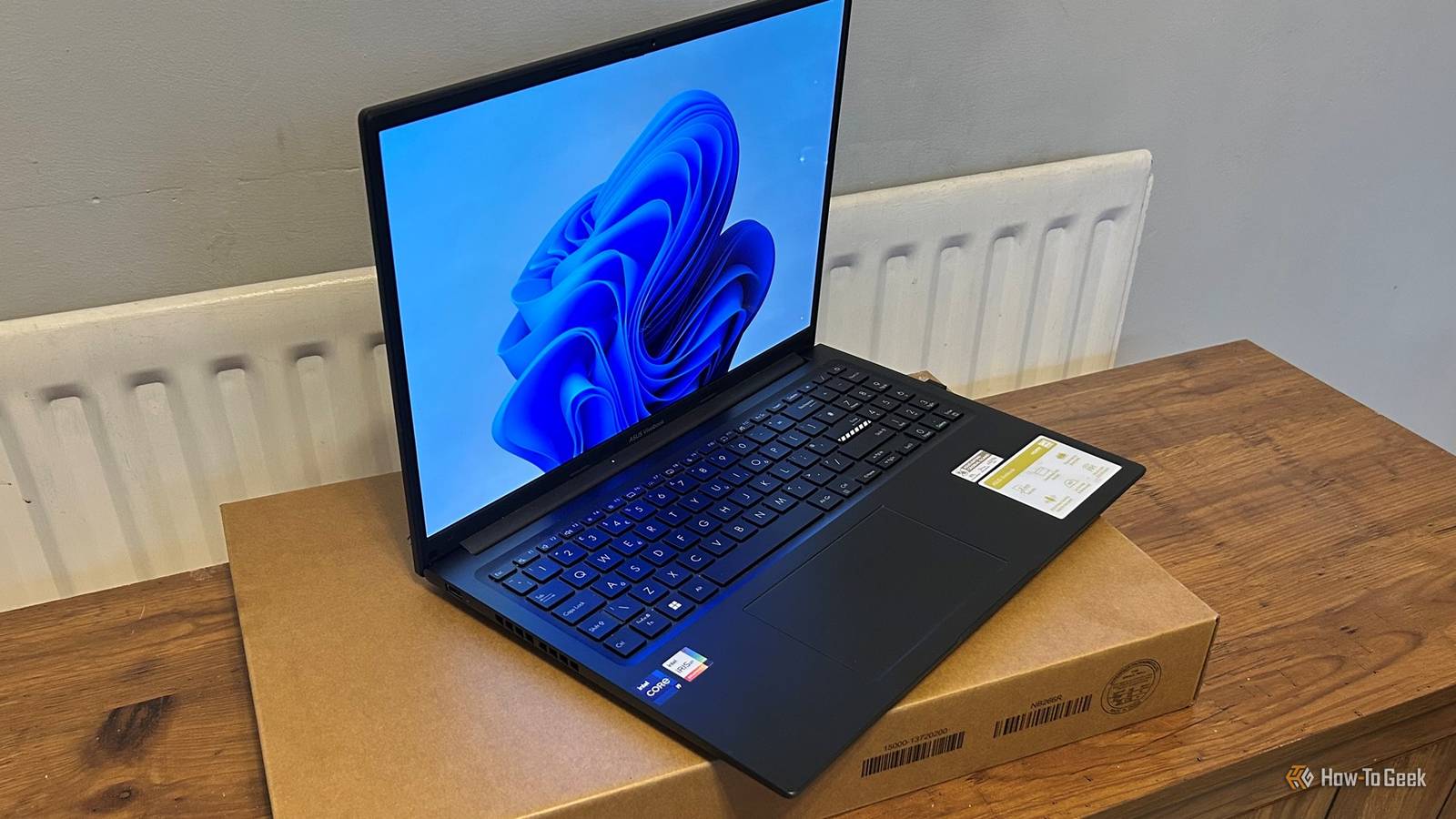
Microsoft's latest Windows 11 version 26H2 update that was released on November 3introduced a set of optimizations specifically designed to help machines with only 8GB of RAM.This is excellent news for everyone stuck on a machine where upgrading the RAM isn't currently an option.Add How-To Geek on Google Add as Preferred Source Follow on Google Discover While 8GB of RAM is far from ideal for a PC in 2026, there are some things you can do to stretch the RAM your machine already has to make it work until prices go back down to normal.
Microsoft's latest Windows 11 update makes 8GB more usable A little help from Microsoft Close Our demand for more RAM has only grown over the years, as apps and Windows itself have continuously expanded their feature sets, requiring more memory while running.At the same time, the number of apps running in the background has only increased for many of us.We've now reached the point where 16GB of RAM is arguably the minimum a modern laptop or desktop needs for even fairly simple tasks like web browsing, document and photo editing, light gaming, and other general PC work.
Unfortunately, the ongoing RAM shortage has driven prices up severalfold, to the point that few can afford the luxury of upgrading to DDR5 or even DDR4 RAM.In the case of laptops and mini PCs with soldered memory, you need to replace the whole machine to upgrade the RAM.Fortunately for us, Microsoft is aware of this problem and has taken steps to make Windows 11 PCs with only 8GB of RAM more usable.
With the latest memory optimization update, which is part of Windows 11 version 26H2 (build 26300.9818 or newer), Microsoft claims a 20% improvement in general responsiveness and 40% faster multitasking.This is achieved through a number of optimizations in day-to-day operations and Microsoft's built-in apps, as well as improved memory compression and better management of which apps stay in memory.So, the very first optimization step you'll want to take to make your PC with 8GB of RAM work better is to install the latest update, along with any other pending Windows updates.
Audit Task Manager and stop unnecessary background apps from eating up your RAM Keep your background apps tidy Background apps are some of the biggest RAM hogs, so unless you actively use an app, you should probably get rid of it to leave more room for important tasks.To see which apps are currently consuming the most memory, open Task Manager by pressing Ctrl+Shift+Esc, click the Processes tab, and click the Memory column header to sort processes by RAM usage, with the most memory-hungry ones at the top.The apps you're currently using will likely be near the top, which is fine, but if you've got something like WhatsApp or Spotify gobbling up half a gigabyte of RAM and you aren't currently using them, close those apps until you actually need them again.
And if you notice that some apps always start with your PC even though you don't actually use them, go to the Startup apps tab and disable everything you don't need.This can even include your mouse and keyboard companion apps, as most models work fine without their software running in the background.Aside from your own apps, there's also a long list of Windows' built-in apps that may be consuming RAM in the background.
While it's normal for Windows to use some of your RAM at all times, there are some apps you can probably get rid of.Windows' own MSN Weather made the news earlier this year for potentially using over a gigabyte of RAM in the background.Some other apps and services you may not need include Widgets, Outlook, Edge, and OneDrive.
You'd be surprised just how much more responsive your PC can get from this step alone.Related I disabled 4 Windows background services and freed up gigabytes of RAM instantly Save your Windows PC from these secret silent killers.Posts 14 By Zunaid Ali Your browser is one of the biggest RAM hogs, so keep its memory usage under control Your most-used program is gobbling up all your RAM Let's spend a few minutes talking about your web browser, as it's likely your most-used app and also happens to be a massive RAM hog.
Google Chrome is particularly notorious for using all the RAM you can throw at it, but part of the blame is on us.Every single tab and extension that your browser runs adds to its RAM usage, so stay on top of this as you use your browser.Disable extensions you don't genuinely need and close tabs as you stop using them.
Thankfully, Chrome has a Memory Saver feature that you can enable in the settings, along with a few other options you can change to make it use less RAM.If that still doesn't fix your low RAM issues because your workload involves a large number of tabs or other apps running at the same time, you can always try switching to a different browser that uses less RAM.Mozilla Firefox is generally better at handling having many tabs open, while Brave and Thorium are both Chromium-based browsers that are optimized to use less RAM.
Ensure virtual memory is enabled, let Windows manage the page file, and leave enough SSD space free When you run out of physical memory, there's always virtual Windows has a virtual memory feature that uses a portion of your internal storage to supplement physical RAM when it fills up and help prevent apps from crashing.It's an important part of how Windows handles memory usage, but it's especially important for people with limited amounts of RAM.Virtual memory is enabled by default, but if you've ever messed around with this particular setting, it's worth checking that the feature is still configured properly.
Press Windows+S to open Search and type View advanced system settings, then click on the first result.Click on Settings...under the Performance section, go to the Advanced tab, and make sure Automatically manage paging file size for all drives is checked.
If you've previously set a manual paging file size, I recommend switching back to automatic management and letting Windows handle it instead.The important thing is to leave some room on your internal storage drive for this feature to work as well as it can.Modern NVMe SSDs can lose performance as they fill up, especially cheaper QLC DRAMless models.
I recommend leaving at least 20% of your storage free, though having even more space can help your whole PC feel snappier.Swap resource-hungry everyday apps for lighter alternatives You don't always need all those extra features You'd be surprised just how much RAM some of your favorite Windows apps use.Even those that appear simple on the surface can sometimes consume hundreds of megabytes of RAM, including Photos, Microsoft Word, and Adobe Acrobat Reader.
Thankfully, there are lightweight (and sometimes open-source) alternatives to almost any app you use, and when you add them up, you could potentially free up gigabytes of RAM with a few simple tweaks to your workflow.For example, you can use IrfanView or ImageGlass instead of Microsoft's built-in Photos app, SumatraPDF to open PDFs, and Notepad++ for basic note-taking and text editing instead of Word or Obsidian.You can make 8GB of RAM work in Windows 11, but don't expect miracles You can stretch 8GB of RAM on a modern Windows 11 PC quite substantially with a few simple optimization tweaks.
For basic computer tasks like web browsing, doing homework, and consuming content, these optimization steps could help you get by for another few years.However, at the end of the day, 8GB is a fairly small amount of RAM for running modern apps, and if you need to use your machine for more demanding workloads, you'll probably have to look into upgrading the RAM or getting a more powerful machine sooner rather than later.Related Windows 11 runs faster when you disable these 5 Microsoft apps Stop Microsoft bloatware from quietly draining your system memory Posts 6 By Vishwamoorthy Ramakrishnan
Read More