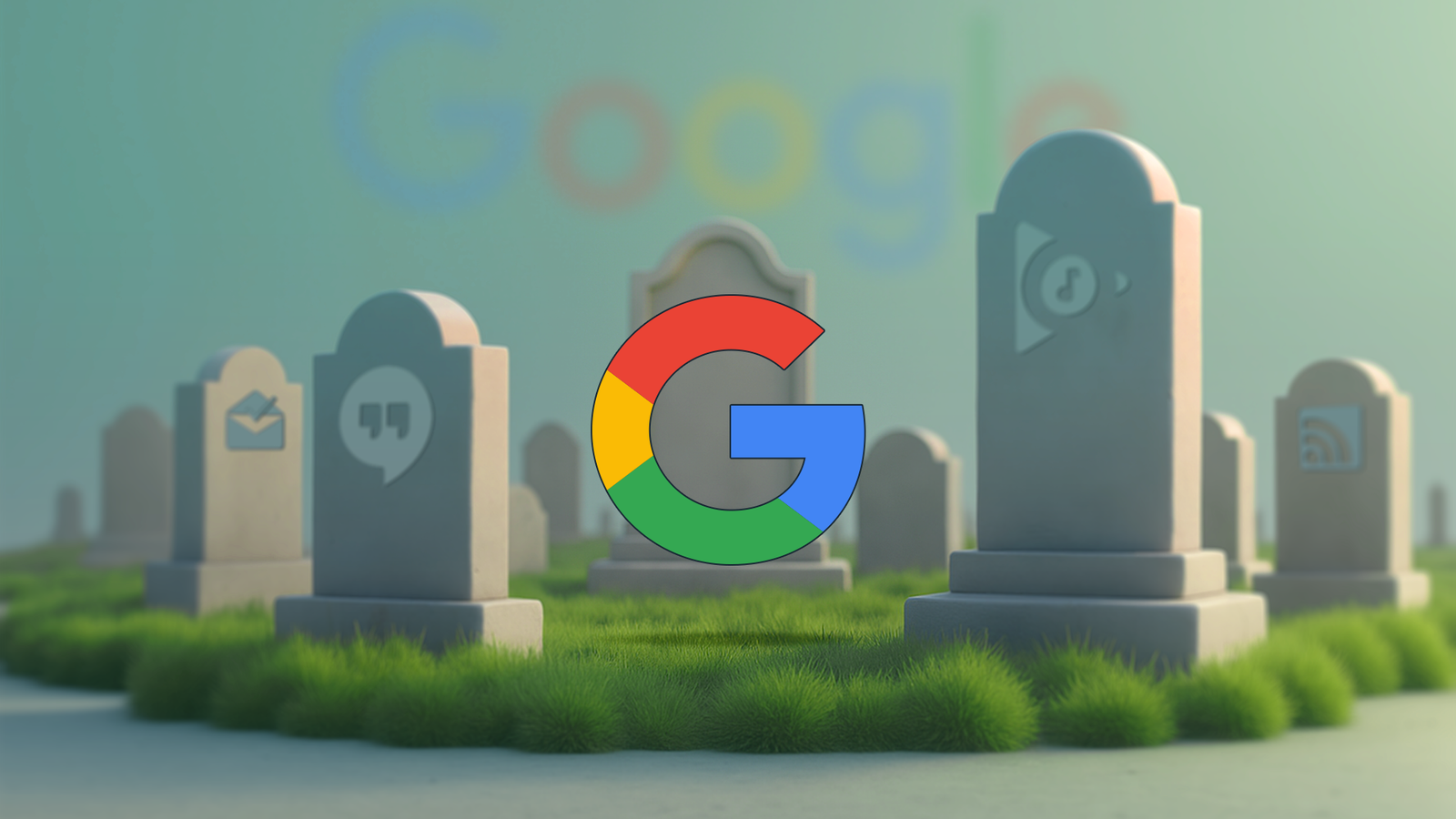
Google has a reputation for shutting down some of its most useful and well-loved apps.Over the years, countless users have watched services that became part of their daily routines suddenly get pushed aside.It’s a running joke at this point: just when a Google app or service finally gets some momentum, Google is ready to pull the plug.
That said, there were a handful of those shutdowns that hit harder than others.These weren’t just niche experiments or half-baked tools that few users cared about.They were products with passionate user bases.
They were apps people relied on for work, creativity, or simply staying connected.When Google decided to kill them off, the backlash was loud.Here are the services that I wish were still around today.
Google Reader The RSS service everybody misses From the moment it launched, Google Reader, a web-based RSS/Atom aggregator, served as a daily ritual for many internet power users and news addicts.It was a centralized dashboard where dozens of blogs, news sites and feeds could be funneled into one clean, distraction-free flow of content that mattered to the user.For journalists and heavy readers, like me, it offered an easy way to stay on top of content and save what mattered to read at another time.
When Google announced it was shutting Reader down in 2013, user reactions were intense.There were petitions signed and many long forum posts about losing something users depended on.Beyond the personal convenience, this felt like a nudge toward the algorithm-driven feeds we see today, shifting controls away from the user.
The good news is, if you miss RSS feeds, you can set your own.Related Google Account Storage fills fast by design—here's why and how to fix it It's just too easy, but you can control it.Posts 1 By Steve Larner Google Play Music Stream your own music library Play Music was more than just a music streaming service.
Yes, you could subscribe and listen to a library of music similar to those you would find on Spotify or Apple Music, but it also offered the ability to upload your own library of songs.As an avid collector of CDs, I had ripped a sizable library of music that Google hosted for me at no cost.It put all the music I love in one place, making it feel more personal.
When Google announced it was shutting down in 2020, the backlash wasn’t just about losing a familiar and useful app, it felt like a lost connection.YouTube Music eventually stepped in, but the transition never felt smooth.No other services have really stepped in to fill the void.
Spotify has never offered cloud uploads, Apple Music’s library had limits, and YouTube Music felt clunky at best.These days, I use Plex for my streaming media, but it's not quite the same.Google Hangouts One of Google's many chat and calling services For a long period of time, Google Hangouts was the go-to way to stay connected in the Google ecosystem.
It was built into Gmail, lived on Android phones, and gave users a way to easily shift between text, video, and voice calls.It was simple to use and reliable.When Google started phasing out Hangouts, the frustration was about more than just losing the Hangouts app itself, it was about the bigger picture.
Google already had a long track record of launching and killing off messaging apps.This lack of a focused messaging strategy looked like chaos from the outside.Over time, Google’s messaging strategy has shifted from Talk to Hangouts to Allo and Duo, before shifting again to Chat and Meet.
This long list of apps left users frustrated and unsure which one to rely on.Meanwhile, years of conversations were left scattered across Google’s shifting platforms, and users were tired of Google pulling out the rug from them regarding popular apps and services.For me, this highlighted the fact that even a widely used and well-liked service could vanish without a clear plan of what comes next.
Google Inbox Better than the Gmail website If you ever tried Inbox, you know it was more than just an email client.It was a different take on how email should work.Instead of Gmail’s busy interface, Inbox gave you a more streamlined design that grouped similar messages together, let you snooze emails, and even turned messages into reminders.
It was built for power users who were drowning in email and wanted to work smarter and more intuitively.When Google shut it down in 2019, the reaction was immediate.The small group of devoted users who had come to rely on its intuitive workflow, were pushed back into the clutter of Gmail.
Google promised to carry over the best features, but users said it never felt the same.Multiple petitions were filed to keep Inbox alive, but the die was cast.Related OsmAnd's offline maps put Google Maps to shame—here's why OsmAnd does offline maps the way you wish Google Maps did.
Posts By Joe Fedewa There's more doomed services to come Looking back at these shutdowns, Google has a pattern.The company launches bold, often amazing products that gather loyal followings, only to pull the plug once strategy shifts or internal priorities change.For users, that cycle can be more than just frustrating, it chips away at trust.
When an app becomes part of your daily routine and then suddenly disappears, it leaves you wondering what will vanish next.Services like Reader, Play Music, Inbox, and Hangouts didn’t just disrupt workflows or playlists, it sent a message that even what seems like Google’s most well-liked or promising ideas aren’t safe.Google has arguably created some of the best digital products and services of our time, but its track record for longevity makes it hard to fully invest in the next one.
That’s the irony, isn't it? The very apps that proved Google could innovate in meaningful ways are the same ones many users still mourn.If anything, the backlash around these shutdowns shows just how much people cared.What’s your favorite app or service that you wish was still here?
Read More