I've been distro hopping for years.While in school, I extensively used Fedora, Arch, and Ubuntu, and in the intervening years, I've spent a lot of time with Pop!_OS, CachyOS, Debian, Kinoite, and Garuda.All of them are decent, but I only found one that I can use for daily work: Kubuntu.
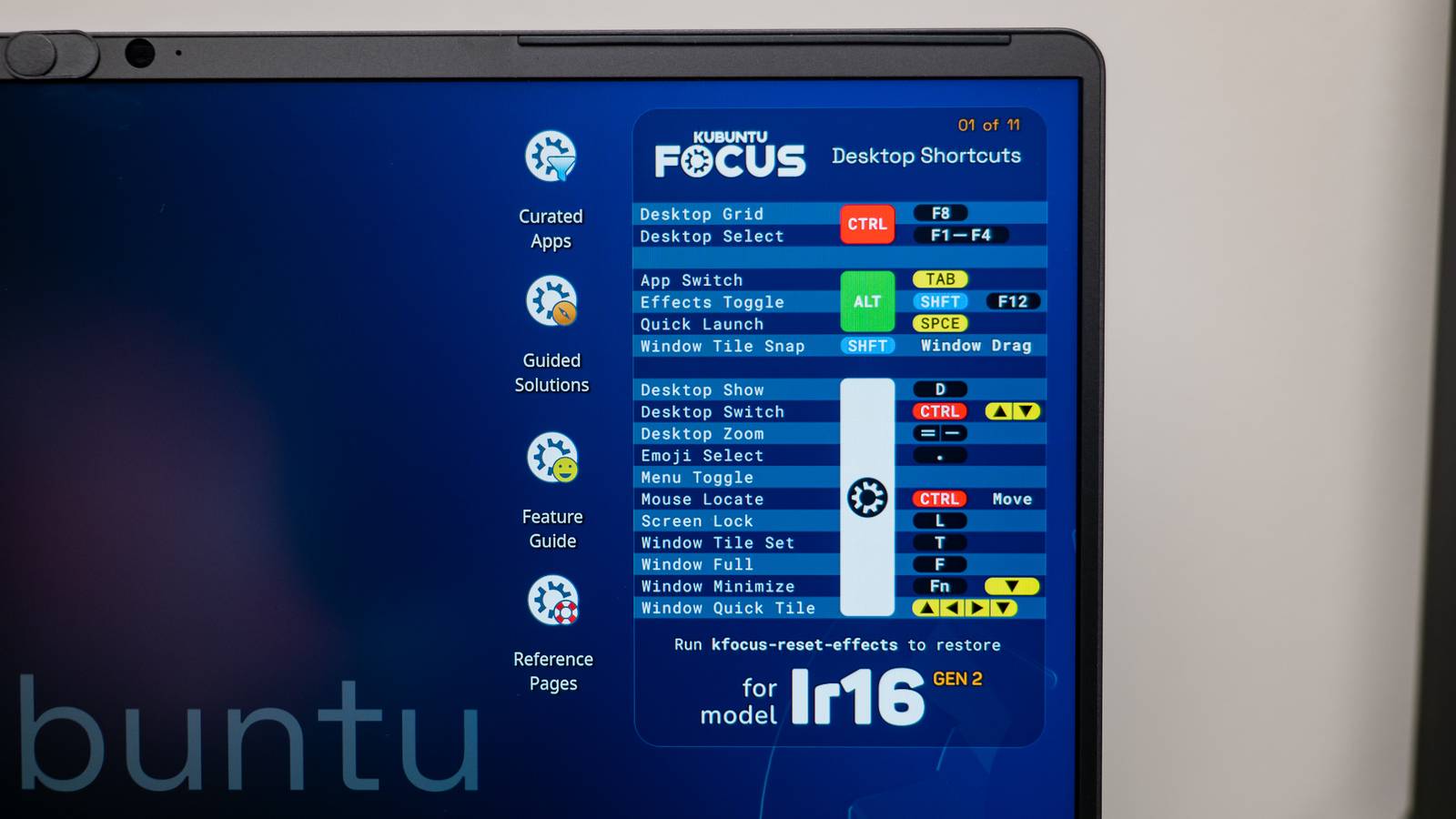
Kubuntu strikes the right balance between flexibility, reliability, and usability.What in the world is Kubuntu? Ubuntu with a twist Under the hood, Kubuntu is basically Ubuntu—in fact, it is an official Ubuntu "flavor." That means you get access to the same package base and release schedule as regular Ubuntu, but with a KDE Plasma interface in place of GNOME.The current release, Kubuntu 26.04 LTS (Resolute Raccoon), launched in April 2026, and is supported until April .
It comes with Plasma 6.6, Qt 6.10.2, KDE Frameworks 6.24, and Linux kernel 7.0.That longer support window, especially when combined with Ubuntu's software repos, means that Kubuntu provides the stability required for a work PC.Universal support is great Most of the time when you see that a program "runs on Linux," they usually mean "Runs on Ubuntu." Kubuntu gives me access to all of that without having to hope that there is an RPM available too, and there sometimes isn't.
If you look at a lot of install scripts, they'll often just you're using APT—a telltale sign that you're using some distro based on Debian.Related Debian's quiet flexibility is why it stays on so many of my PCs Why Debian is the choice of Linux enthusiasts over flashier distros.Posts 3 By David Delony Additionally, you usually benefit from any Ubuntu troubleshooting guides you can find too.
Ubuntu has a massive user base, so there is usually someone out there who has stumbled into an issue similar to mine once I start digging.That means I can save a lot of time troubleshooting by lifting their solution and adapting it to my specific scenario.So long as it doesn't involve the desktop environment, it'll work most of the time.
KDE's default apps are fantastic I don't need to dig for a million alternatives Close The open-source community has spent a lot of time developing alternatives to popular apps for Windows and macOS, and at least as much time debating which of those alternatives is the best.Rather than wade through hundreds of apps, Kubuntu comes bundled with KDE's own set of apps.And they're comprehensive.
Dolphin handles tabs, split panes, SMB and SFTP mounts, and batch renaming—things that require PowerToys or a lot of setup on Windows.Okular allows you to annotate PDFs and return client markup, and Kate is a good source-code editor by any standard, and holds its own when compared to VS Code.Kdenlive is among the best free video editing programs available; the only one I would generally recommend as an alternative is DaVinci Resolve.
Related This open-source video editor is catching up fast to Adobe Premiere Discover the open-source video editor that's giving Adobe Premiere a run for its money, with a polished interface and powerful features.Posts 8 By Sydney Butler In Plasma 6.6, Spectacle (the screenshot app) adds OCR, allowing you to pull text directly out of error dialogs or images without retyping them.You can also use KDE Connect to connect your phone to your PC, which allows you to share your clipboard, read notifications, and even reply to messages.
The interface is very flexible Plasma is often recommended because it is Windows-like, which is fair, but it undersells the most appealing part: you can heavily customize it.If you work on a computer day in and day out like so many of us do, tiny annoyances gradually tend to escalate into infuriation after encountering them literally 2,000 times.Plasma's flexibility means that you can usually a lot of those minor tripping points before it becomes a serious annoyance.
You can control your panel, widgets, and per-monitor app layouts to make your day less stressful.You can even set window rules to pin specific applications to certain displays at launch.You also have a lot of options for how you interact with your PC.
The standard approach is icons and the Start Menu, but KRunner is my personal favorite.It allows you to launch apps, do math, convert units, search for files, and more, all without ever taking your hands off the keyboard.If you like Spotlight Search on macOS or PowerToys' Command Palette on Windows, KRunner is going to be indispensable.
Wayland can introduce some complications Kubuntu 26.04 defaults to Wayland, so you must test your legacy X11 apps, remote-desktop tools, and screen-sharing setups going all in—there is nothing more annoying than an update that breaks half of your workflow.You should also be aware that Kubuntu (like all Ubuntu flavors) receives years of support, rather than the five Ubuntu Desktop gets.There is one case where Kubuntu doesn't fit Kubuntu makes work easier by providing a robust feature set that can be adjusted to fit almost any workflow, while the Ubuntu base all but guarantees compatibility and long-term support.
It also comes with many KDE apps, most of which are genuinely competitive with paid alternatives.However, it isn't a great option if you rely on Adobe or some specific enterprise tools—despite the many workarounds available, Windows and macOS are still more readily compatible.
Read More