
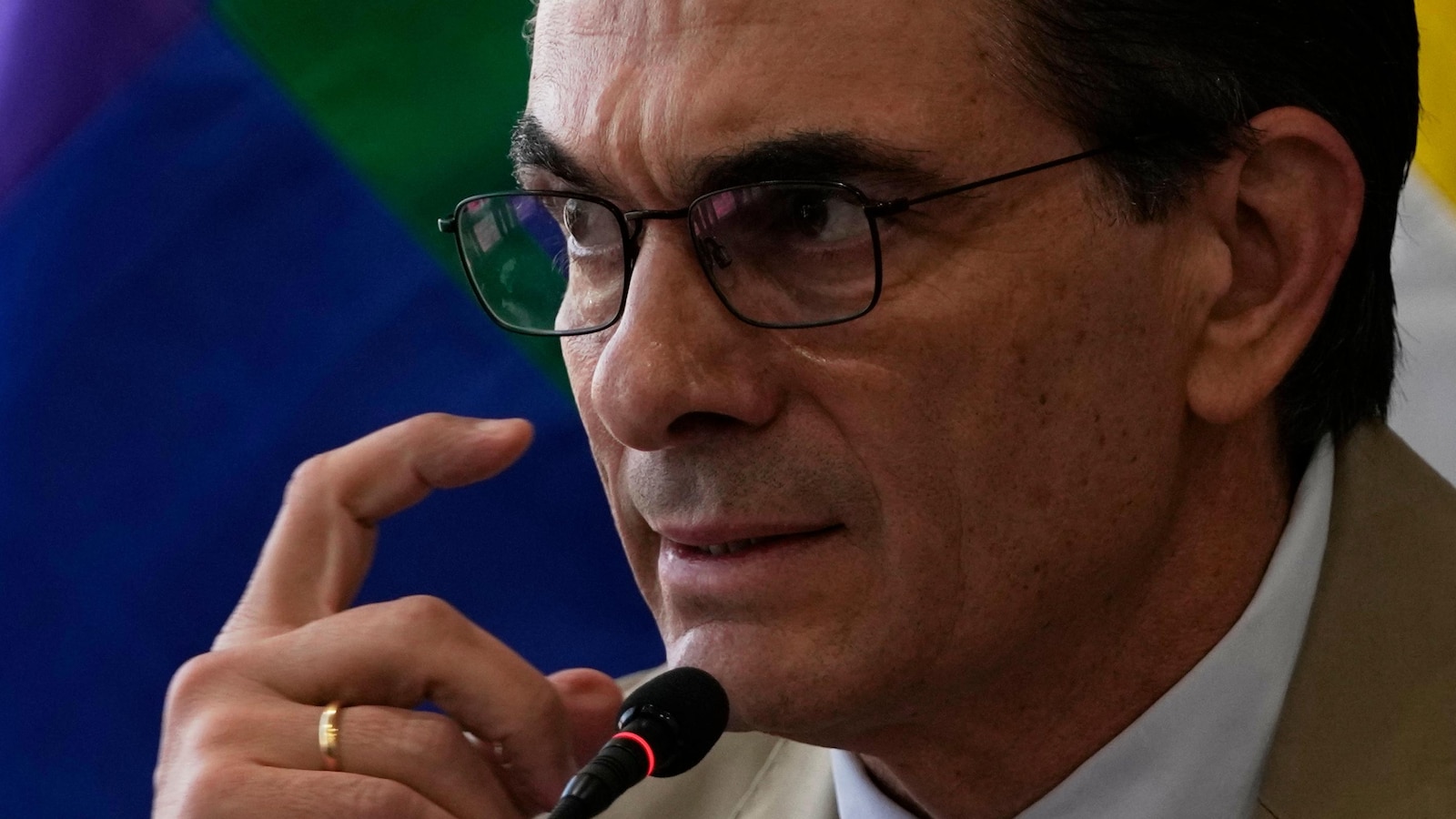
Last year, Arce’s government refused to grant a license to SpaceX, which owns Starlink, to operate in Bolivia, citing data protection and national sovereignty concerns.For years, Bolivia has tried to improve internet access in remote areas with a satellite purchased from China during the government of left-wing leader Evo Morales.When the satellite was acquired in 2013, Morales promised it would “enlighten the people, after years of living in obscurity."However, the Chinese satellite, known as the Tupac Katari, failed to significantly speed up internet connections on mobile phones or in homes, because it relies on geostationary technology and orbits Earth at a distance of about 35,000 kilometers (about 21,800 miles) from the surface.Popular ReadsEpstein files so far don't support allegations of previously unknown accomplicesDec 19, 11:58 PMSearch for missing swimmer suspended; witness saw shark with body in its mouthDec 22, 10:00 PMRob Reiner's son arrested for murder in stabbing death of famed director, wifeDec 15, 6:39 PM“We became spectators while the rest of the world advanced,” said Paz, who was elected in October.
“But that is over.With new technologies we will be able to make up for lost time.”Earlier this week, Paz signed a decree to eliminate fuel subsidies that had hobbled public finances and worsened the dollar shortages.Labor unions across the Andean nation took to the streets on Monday to protest the elimination of the fuel subsidies.


