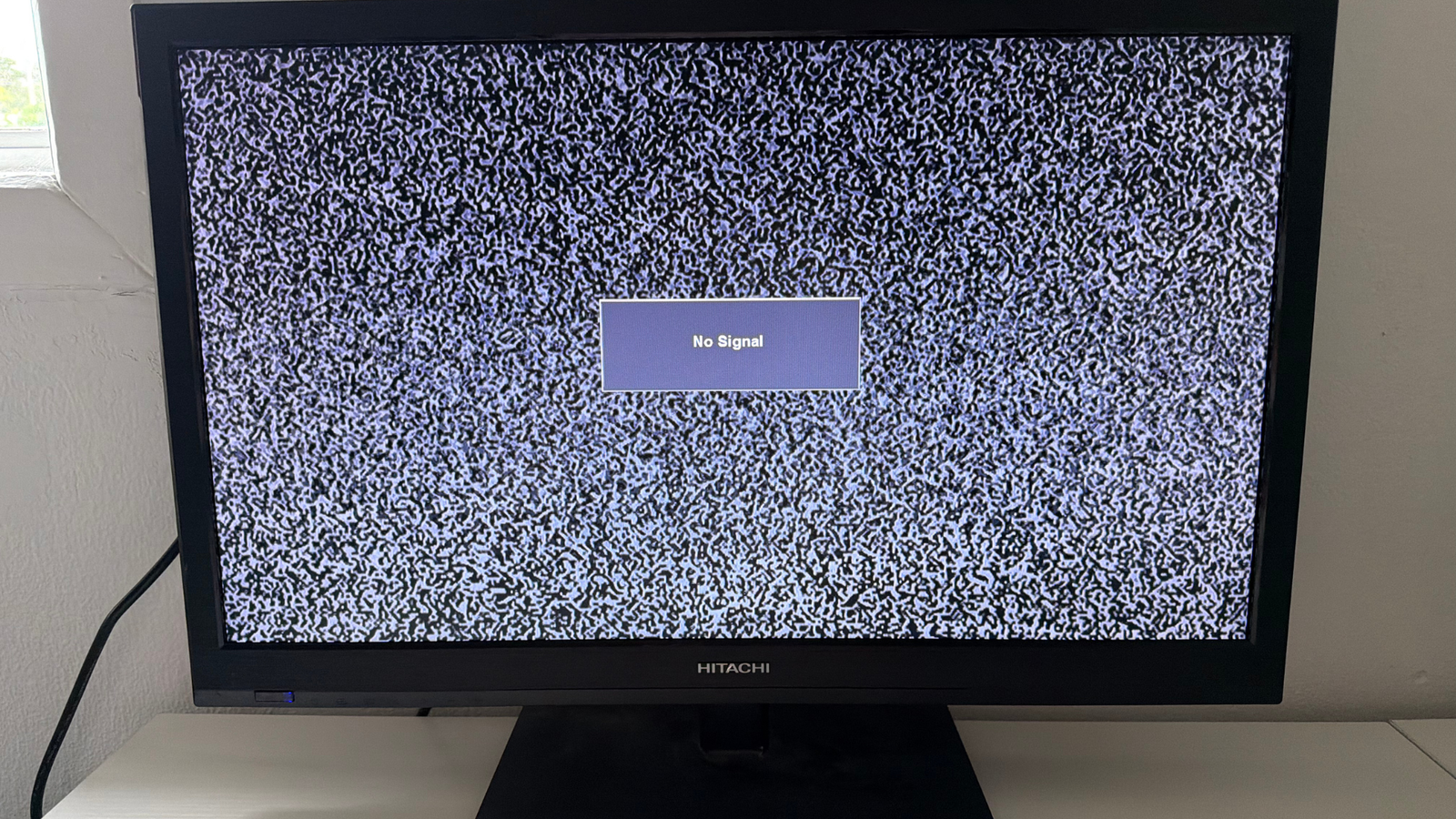
If you just picked up your first budget TV, you might have noticed it probably doesn't look great the first time you turn it on.I had a similar problem with a budget TV I purchased a while ago (it was a small Hitachi and absolutely a budget model).But I found a few settings that improved the image, which I've used across several TVs since then.
Budget televisions are inexpensive for a reason Why cheaper TVs have image issues Close Today's budget TVs are decent televisions.But they do have some problems.Sometimes it's a resolution issue.
A 720p TV going to match the level of a 1080p or a 4K panel.It's important to know what type of display and resolution your TV has before playing with the settings.That way, you can temper your expectations a bit.
A weak signal source, a poor HDMI cable, poor color calibration, and tucked-away settings can all be reasons why a budget TV doesn't look as good as its higher-end counterparts.Sometimes, a poor connection or bad cable can mean the difference between a crisp picture and a black screen with no image.I gave the old Hitachi to a friend, but my current TV (an inexpensive 32" Samsung budget model) definitely had some video issues right out of the box.
Luckily, two simple tweaks got it working perfectly.Related 8 Types of TV You Should Not Buy Used Caveat emptor! Posts By Sydney Butler Motion smoothing makes some video look odd How to battle the "soap opera effect" When I worked in film (as a full-time projectionist prior to widespread Digital Cinema), I clearly remember every second of a physical film being exactly 24 frames.You could count them if you wanted to.
While 24fps is standard for film, some films are shot at 25fps or other rates.Today, most shows have a 24, 30, or 60 frames per second standard depending on the source and region.Modern TVs use motion interpolation to push the show's frame rate to match that of the TV.
TVs can run at a 60HZ, 120HZ, or higher refresh rate (this is also known as the refresh rate).Some of the problems happen when a TV tries to bridge the gap between a 60Hz (or 120Hz) display and 24 frames per second.It's called motion interpolation.
It makes movement look weirdly smooth.There's no cinematic quality to it at all.It feels almost like watching the news, syndicated shows on broadcast TV, or (as we mentioned before) a soap opera.
isn't exactly known for its cinematography.Occasionally, it'll be called by its actual name (motion smoothing).But I've mostly seen it listed as brand names, like TruMotion on my old LG TV or Action Smoothing on some TVs.
Finding (and switching off) the setting depends on the brand, so the best way around that is checking the manual, plugging your make/model into a search engine or the manufacturer's website, or (this is what I do) just messing with the settings yourself.Sometimes, you can get rid of it by switching to movie mode or cinema mode.Regardless, do yourself a favor and just turn it off when you watch movies, although it's sometimes awesome for watching sports.
Color and energy settings make a big difference There's just too much backlight Another issue with budget TVs is saturated color settings or uncalibrated colors.Store modes often stay in Vivid or Dynamic to demonstrate quality in a showroom environment.Things change when you get the set home.
These settings tend to oversaturate the colors.Highlights look awful.There might be too much or too little black level, the white balance might be off, and the sharpness isn't up to par.
On one TV I owned, I noticed that, with energy saver turned on, it felt like the picture was very dim.One of my biggest problems with modern shows nowadays is that everything is dark and gloomy, almost as if the production crew forgot how to light the set.So having a brighter display is pretty vital for me. Changing these settings usually makes a big difference and can make a budget TV look pretty good.
Related Don't Ignore Your TV's Sharpness Setting Is your TV's sharpness setting ruining your favorite shows? Posts By Sydney Butler Check the settings on your budget TV Although dumb TVs are getting harder to find, smart TVs can still be good—even the ones you get on a budget.Just keep in mind that no amount of tweaking settings will transform a budget set into an OLED display.Settings aren't the only factor that makes budget TVs look awful.
According to Consumer Reports, the quality can even vary by screen size, device model, and settings for some brands.When you get right down to it, two simple settings tweaks make a big difference to budget TVs, so make sure you check them the next time you buy one.
Read More