When Linus Torvalds released the Linux kernel all the way back in 1991, I wonder if he had the faintest inkling of how world-changing it would be.Not only because it's a robust clean-sheet approach to replicating UNIX, but also thanks to its open software license.Today, Linux is .
Ironically, the only place Linux is still rare is on desktop computers.While the year of the Linux desktop always seems to be "next year," when it comes to the other everyday devices you use, there's a very high chance what you're working with is none other than Linux.Your smart TV is basically a Linux computer It's penguin-powered If you have a Samsung TV running Tizen, or an LG TV running webOS, or any Android TV or Google TV device, then you'll find the Linux kernel at the core for their software.
This makes perfect sense, because the Linux kernel can handle anything these devices would need to do, and because today the Linux kernel is published under a GPL v2 license, manufacturers are allowed to lock their devices down.They don't need to publish the source code of what they add on to the kernel, and they don't need to allow other operating systems to run on these devices.Consequently, Linux is a prime choice for a device like a Smart TV.
Your Wi-Fi router probably runs Linux So do the servers it connects to A Wi-Fi router is really just a specialized computer, and that means it needs a operating system.While not every router in the world runs on Linux, it's the most popular option with the Linux kernel running under a stripped down operating system meant to do the job of traffic routing and little else.Although some routers with higher specifications let you install and run software such as router-based VPNs.
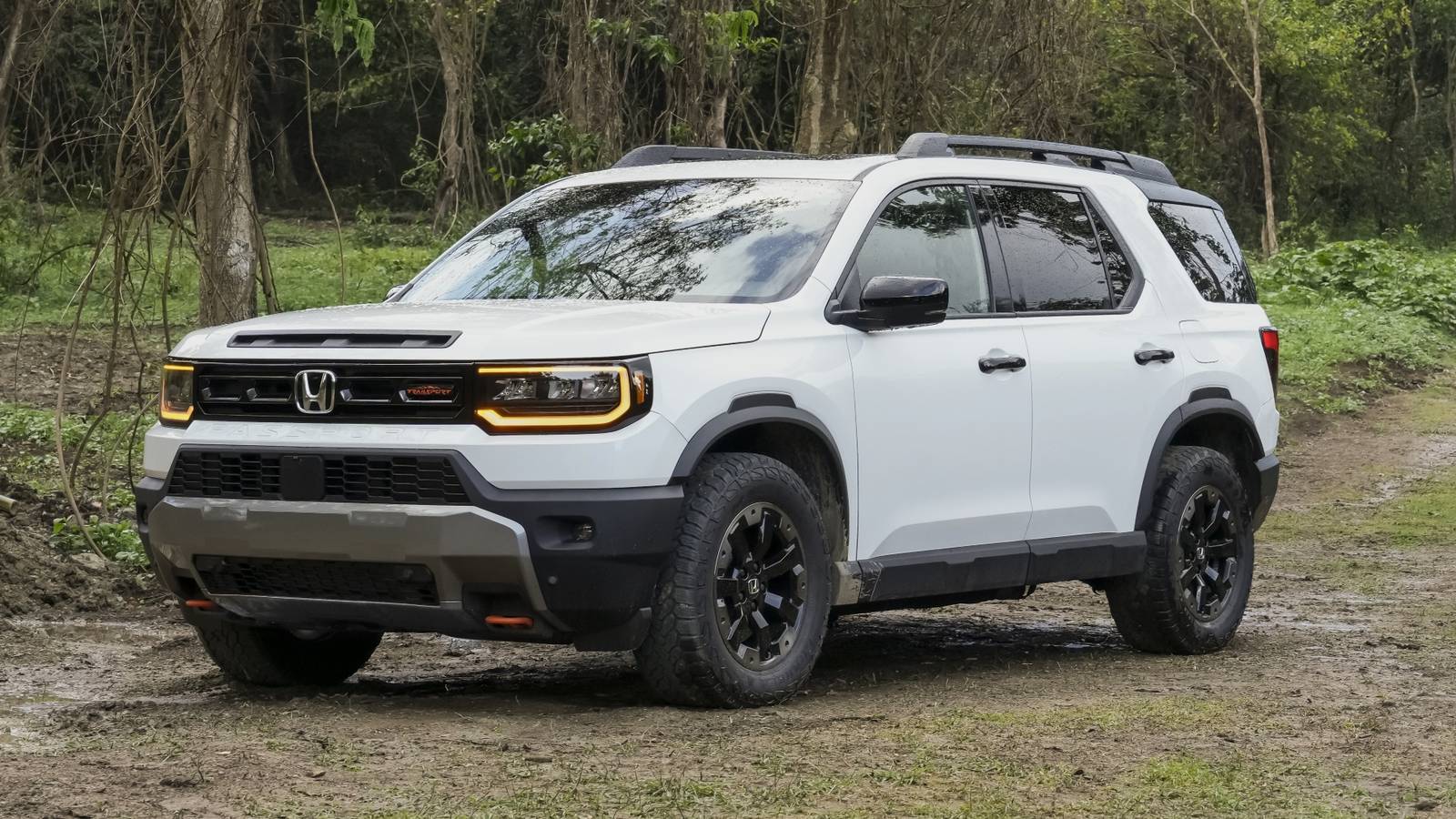
Both OpenWRT and DD-WRT are based on Linux too, and these are the most popular custom firmware options for routers to expand their features and capabilities.Your car’s infotainment system is powered by Linux Android makes the wheels go round As with routers, although it's not the only option, Linux is a popular basis for the infotainment systems built into cars.If you were to just point out a car at random, chances are its infotainment system has some form of Linux under the hood.
In particular, there's Automotive Grade Linux, which is used by Honda, Mazda, Subaru, Toyota, and many more.The interfaces might all look very different, but there's probably a terminal in there somewhere.Your streaming devices are Linux machines Too bad the shows aren't free and open source too At this point in the list, it's probably no surprise that lots of streaming boxes run on Linux.
After all, a streaming box is effectively just the guts of a smart TV without a screen.The Amazon Fire TV Stick runs a fork of Android, while the Google Chromecast uses Google TV—also Linux-based.Thanks to how lightweight and modular the Linux Kernel is, and the purpose-built software for streaming purposes installed around it, you can get a competent device without needing lots of hardware performance.
However, these boxes can run vanilla Linux too, with quite a lot of effort, that is.Your Android phone is Linux (with a different face) Android hides it well, though Again, you've probably deduced this from what we've discussed so far, but your Android phone is based on Linux.Today, Android dominates the mobile market, but back in the mid-2000s going up against the likes of Nokia's Symbian would have seemed like madness.
Incidentally, the other major mobile operating system today, iOS, is also a UNIX-like operating system.Although iOS and Linux aren't directly related, they both trace their design back to UNIX, and so no matter what phone you have today, there's some "NIX" in its genes.Samsung Galaxy S26 Ultra SoC Snapdragon 8 Elite Gen 5 Display 6.9-inch Dynamic Super AMOLED 2X Get the new Galaxy S26 Ultra with AI smarts and an all-new privacy display. RAM 12 or 16 GB Storage 256GB, 512GB, or 1TB Battery 5,000 mAh Operating System Android Front camera 12MP f/2.2 Rear camera 200MP f/1.4 main, 50MP f/1.9 ultrawide, 10MP f/2.4 telephoto, 50MP f/2.9 telephoto Dimensions 163.6 x 78.1 x 7.9 mm (6.44 x 3.07 x 0.31 in) Colors Violet, Sky Blue, Black, White, Silver Shadow, Pink Gold Weight 214g Charge speed 60W wired Super Fast Charging, 25W wireless Stylus S-Pen $1300 at Samsung $1300 at Amazon Expand Collapse Your smart fridge (yes, really) runs Linux Penguins like the cold Actually, it's not just fridges.
You can lump in virtually any type of smart home appliance and be fairly certain that the vast majority of them are running on the Linux kernel.In the case of Samsung's smart fridges, early models used Android and the ones we get today are running a special version of Samsung's Tizen OS.Which makes sense, since pretty much all Samsung smart devices with screens use Tizen.
Subscribe to the newsletter for Linux-in-tech insights Want richer context on Linux's role in consumer technology? Subscribing to the newsletter provides expert coverage and clear explanations focused on Linux across devices and platforms.Get Updates By subscribing, you agree to receive newsletter and marketing emails, and accept our Terms of Use and Privacy Policy.You can unsubscribe anytime.
Both of these are Linux-based, but the same can apply to smart microwaves and robot vacuums, and other devices like that.Emulation gaming handhelds Keeping games alive You're probably aware that the Steam Deck handheld PC runs SteamOS, which is a gaming-focused distro of Linux, but most of the emulation handhelds that are so popular these days run on either Linux or Android.So either way you're looking at a Linux-based machine.
Thanks to extensive support from the emulation community, you can find high-performance emulation software for Linux to emulate just about every system.Without Linux as a basis for that software, we'd be stuck playing modern games only.Yuck!
Read More