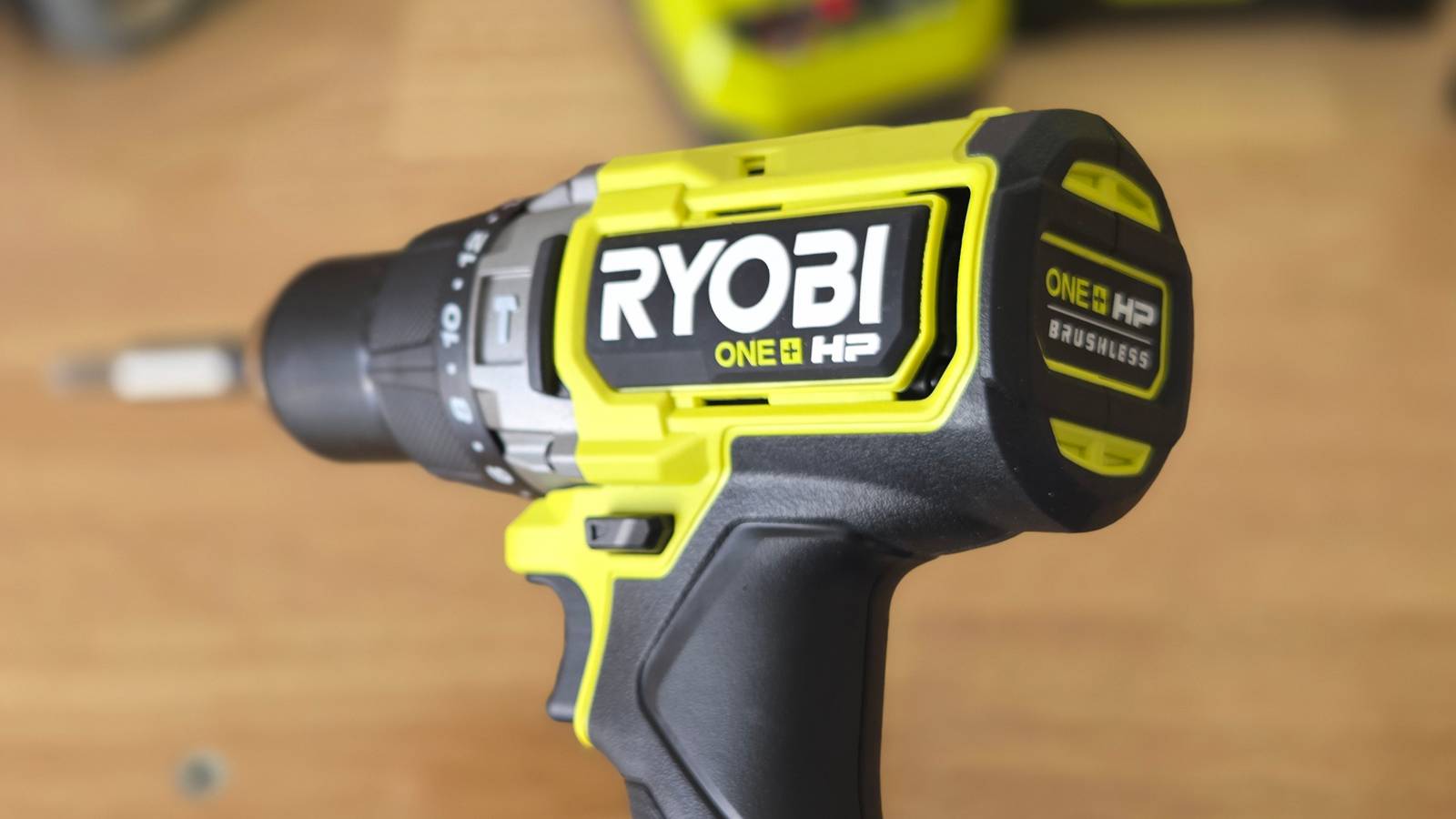
Overheating tools can really slow you down, and you might be to blame.Let’s take a look at some of the main reasons your brightly-colored bargain of a drill might be running hot and what you can do about it.Overloading the drill by going too hard Remember why you bought Ryobi Close I recently bought a Ryobi impact driver and I’m really happy with it, but I’m not going to forget why I bought it over a pricier model.
Ryobi tools are typically cheaper than higher-end brands like Bosch, DeWalt, and Makita.Some might say that Ryobi is a brand aimed squarely at weekend warriors for short bursts of DIY, rather than an all-day workhorse.Most modern power tools include sensors that will stop them working when a certain temperature has been reached.
If we follow the “you get what you pay for” mantra, it stands to reason that your cheaper fluorescent drill might not be quite as capable as a rival that costs twice as much.If Ryobi isn’t cutting it for some tasks, you might want to jump ship for certain tools when you upgrade.You don’t need to stick to a single brand of power tool, even though the battery ecosystem and aggressive marketing dictate otherwise.
You should spend more on the fancy drill next time if the cheaper model isn’t cutting it.Using the wrong gear Low and slow wins the race Ryobi’s most basic 18V drill driver comes with a two-speed gearbox (which is the same case with the more powerful brushless HP variant).The slower setting is designed for more challenging jobs, where you’re happy to sacrifice drill speed in favor of greater torque.
Hardwood and other tough materials can put undue stress on the motor.Lower, slower gears are a better choice than opting for the higher gear and going full pelt.Doing this can put more strain on the motor, which will generate more heat and potentially lead to overheating.
For larger drill bits, particularly spade bits and hole saws, always stick to lower gears.The last piece of hardwood I drilled into (a beautiful branch that has been turned into a cat tree) started smoking before I was able to drill the hole deep enough, but I stuck it out and kept the drill speed low, which avoided putting too much pressure on the motor.Picking the wrong (or blunt) drill bits You’re making life harder for yourself While we’re on the topic of drill bits, picking the wrong bit for the job means your drill has to work harder.
Blunt drill bits that are worn aren’t as effective at shearing away material, which means that the drill will have to work harder to perform its task.It’s like cutting through wood with a blunt handsaw—your arm will tire faster than if the saw were new and sharp.The same can be said if you’re not using a drill bit that’s hard enough for the job at hand.
Not only will you ruin perfectly good drill bits, but you’ll transfer the strain onto the motor since it will take far longer to get through the material.Match your bit to your job; for example, masonry bits for brick, or diamond-tipped drill bits for getting through tiles and other ceramics.Not cleaning the ventilation filters Especially if you use the drill in dusty workshops Your drill’s motor will get hot through normal use, and there’s nothing you can do about it.
But since heat has a bit of a reputation for killing electronics and shortening lifespans, you should do everything in your power to keep things cool.This means periodically cleaning your drill, particularly where the motor takes in cool air and exhausts hot air.You should be able to feel this exchange of air when you’re using your drill or driver, but in a dusty workshop it’s easy for this to become clogged.
If the drill is outside of the warranty period and you’re comfortable doing so, opening the drill up is the best way to clean it out.Just be sure to remove the battery before you do so.Otherwise, a deep brush, a toothpick or similar, and a can of compressed air should get the job done.
Don’t forget about ambient temperature Sometimes too hot is too hot In order to protect the motor, your drill will cut out when the tool gets too hot.Being in full sun in the heat of summer or in a poorly ventilated enclosed space will cause your drill to overheat even faster.Your drill relies on air to cool its motor, so when the ambient temperature is high, the drill cannot cool itself as effectively.
You can try to account for this with longer breaks between usage, or by working at a cooler time of day.It’s a good excuse to take a break yourself—if your drill is too hot, there’s a good chance that you are too.Ryobi doesn’t just make great tools at competitive prices, the company also has a compelling range of gadgets that run on power tool batteries.
Read More