According to Kelley Blue Book, the average MSRP of a new car has climbed to more than $51,000.Not long ago, that kind of money bought a fancy European luxury sedan.Today, it might only get you a mid-level Ford F-150.
With new vehicle prices remaining high, it's no surprise that more shoppers are turning to the used-car market in search of better value.The average vehicle loses roughly 42% of its value over the first five years, which means you can often buy a well-maintained used car for thousands less than its original sticker.However, not every used car is a bargain.
Knowing which types of situations to avoid when you are looking for a used car can save you thousands of dollars and countless headaches.Here are five types of situations to be mindful of before you sign the paperwork.5 Price is too good to be true An unusually low price often hides an expensive problem Close Maybe you have been shopping for a nice five-year-old Toyota 4Runner with fewer than 50,000 miles.
Most of the examples you have seen have been priced between $45,000 and $50,000.Then you spot one listed for only $30,000.The deal seems tempting, but remember the idiom that if something seems too good to be true, it probably is.
A low price may grab your attention, but it should also raise a red flag.There must be a reason why the car is so cheap.Perhaps it was stolen.
It might have an accident history.Maybe there is engine damage or the frame is rusting.The point is, there is something beneath the surface that is dictating the low price.
In this day and age of readily accessible information, everyone knows the approximate value of what they are selling.And no one leaves money on the table for no good reason.If you are drawn to a car because it has an unusually low price, you should either walk away or make sure you inspect every aspect of the vehicle and its history before making an offer.
Related New cars are so expensive that a six-figure salary barely cuts it The modern car market is leaving average buyers behind.Posts 7 By Tyler Dupont 4 Going outside your budget The best car is the one you can comfortably afford You have a budget in mind for your next vehicle.Maybe it is $30,000, which should be enough to get you behind the wheel of something nice that is off-lease.
But then you look a little more online or across the dealership lot and spot something else.It’s nice, but it costs more.It might even be brand new with a few attractive rebates and incentives.
Resist the urge in these cases, no matter how amazing the vehicle may seem.The problem is that if $30,000 is all you can comfortably afford, then $30,000 is all you should spend.Even if you can stretch the loan, you won’t be able to enjoy a single mile of this “nicer car” because all you will be thinking about in the end is the extra money you are spending.
Don’t do that to yourself, especially with a used vehicle.Set a budget and stick to it.3 Cars you can’t inspect No inspection, no deal Close Aside from certified pre-owned vehicles, many used vehicles no longer have their factory warranty.
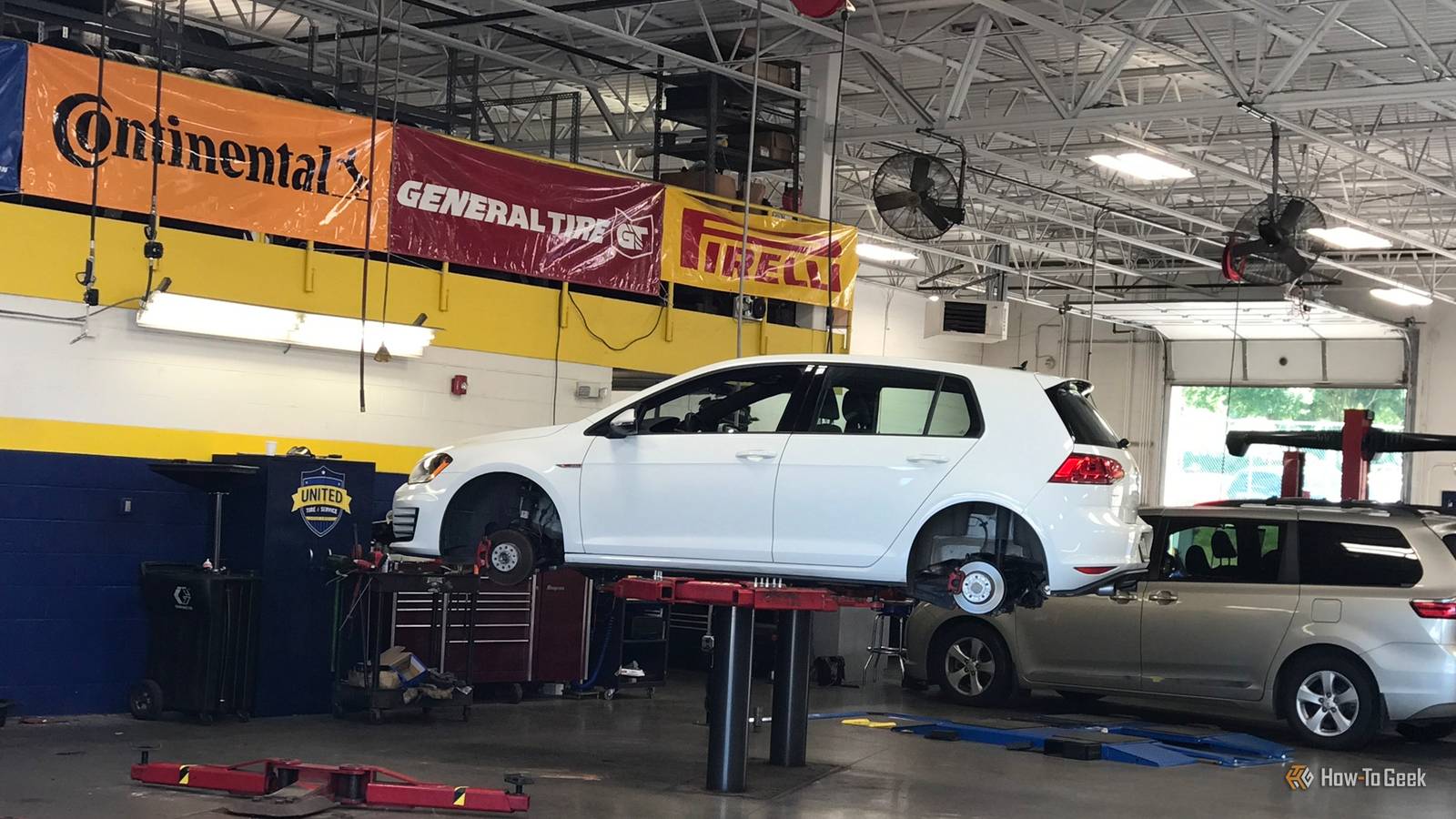
In this instance, your best bet is to have the car inspected by a knowledgeable technician, especially if you are buying from a private seller you don’t know.If the seller doesn’t allow you to inspect the car before you buy, that should make you think twice about the purchase.A pre-purchase inspection might cost you a couple of hundred dollars, but it could save you many thousands of dollars in unexpected repairs.
If you own one, bring an OBD-II scanner along, just in case you see a check engine light during the test drive.If you buy a car as-is, it doesn’t matter if the engine falls out on the way home; the seller owes you nothing.Protect yourself and have any used car you are considering inspected before you sign on the dotted line.
Related 10 Most Reliable Used American Cars Under $15,000 These 10 used American cars offer impressive reliability and value, proving you don’t need to spend a fortune for a dependable ride under $15,000.Posts By Tyler Dupont 2 A car with no service history Maintenance history tells the real story This is similar to the pre-purchase inspection, but always ask for a service history when looking at a used vehicle.Well-maintained vehicles can easily last 200,000 miles or more, but only if they receive regular maintenance along the way.
Maintenance records show whether the previous owner kept up with routine services like oil changes, tire rotations, brake inspections, and transmission or coolant flushes.Missing one oil change by a few hundred miles isn't likely to cause lasting damage.However, if a vehicle has tens of thousands of miles with no maintenance records, that could be a cause for concern.
It could simply mean the paperwork was lost or thrown away, but it could also indicate the car was neglected.Unless you can verify that a vehicle has been properly maintained, you're taking a gamble on its reliability.That gamble could mean an expensive repair bill shortly after you drive it home.
1 The first one you drive Compare before you commit Close You have read countless online reviews and decided that your next car will be a used F80-generation BMW M3.But reading about the joys of the S55 engine can’t compare to actual seat time.If you are not familiar with the make and model, you should drive several examples before making a purchase.
It isn’t because the first test drive of the vehicle you want will be bad.It may well be perfect.The problem is you have no reference points.
Should the engine be making this sound? Is the ride on these cars always this rough? Is there always this much wind noise? You will want to test several examples to compare.Beyond that, try to become an expert on the car you are considering (and reading online reviews is a good start).However, a five-or 10-mile test drive in a car will tell you more about it than a 2,000-word review.
There is no substitute for seat time when you are looking for a pre-owned vehicle.A prepared buyer is a smart buyer Buying a used car can be one of the smartest financial decisions you'll ever make, but only if you choose wisely.Don't let a low price, shiny paint, or an emotional impulse cloud your judgment.
Do your homework, stick to your budget, insist on a pre-purchase inspection, and verify the vehicle's maintenance history.A little extra caution before you buy can save you thousands of dollars after you drive away.
Read More