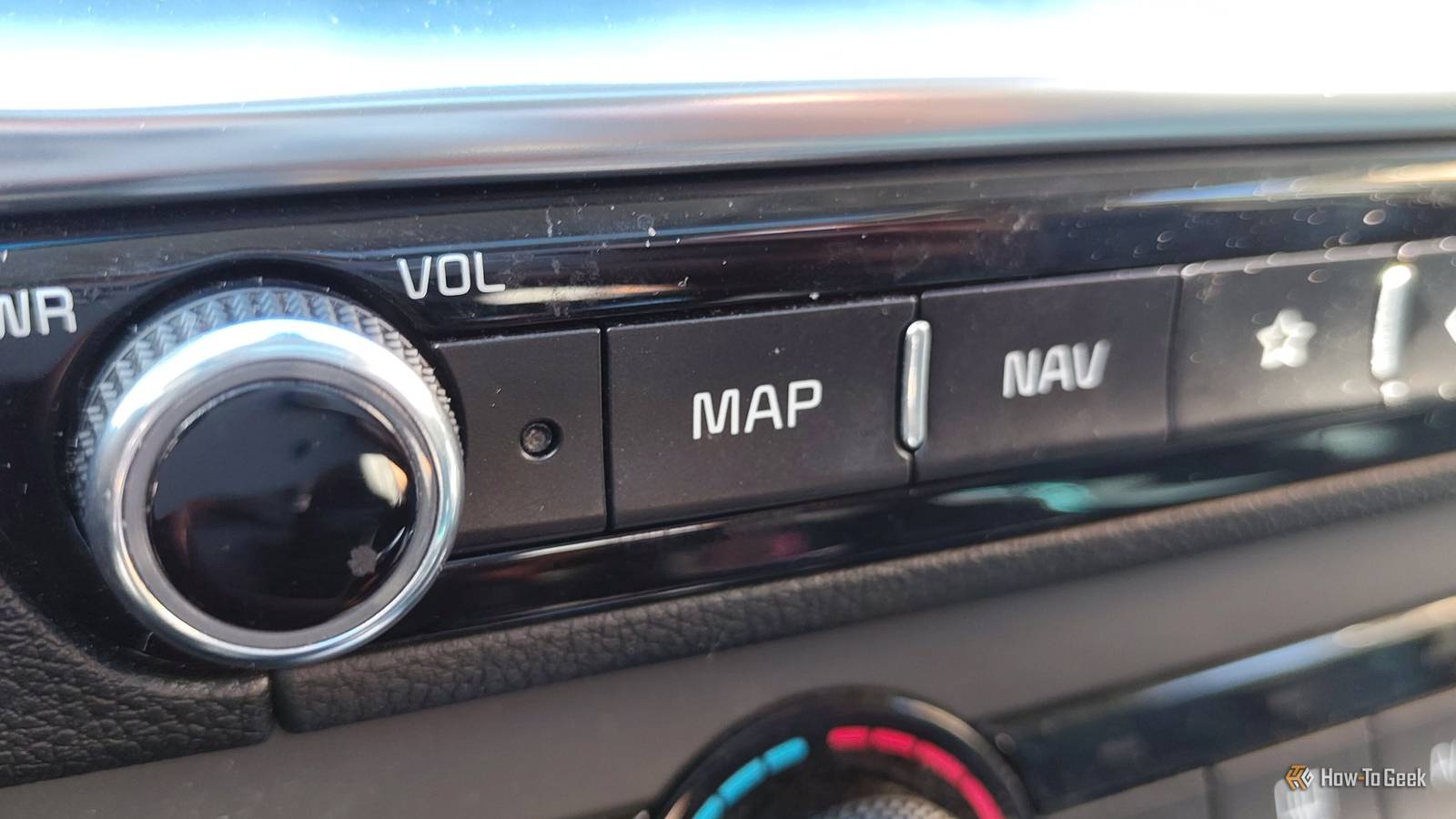
I have both an Android phone and a relatively modern car with a touchscreen, yet I still don't use Android Auto — and it's not because I don't know what I'm missing.I just like my Kia's built-in software more.My car has useful navigation features that I don't want to give up Built-in infotainment integrates at a level that Google simply can't Close Android Auto runs on your phone, and it has very little insight into the inner workings of your car.
Considering that Google is a data-collecting ad company, I'd say that's a good thing.Nonetheless, it means an automaker's built-in infotainment can integrate with the rest of the car in ways Android Auto cannot.My Kia Niro EV puts upcoming turn indicators directly on the dash behind the steering wheel so that I don't need to look at the center console.
My built-in navigation also knows my current state of charge, so it can tell me whether I can complete a route without stopping at a charging station.My car also updates my estimated driving range after I input a destination, based on the topography and speed limits of the places I will be driving through.All of this is immensely useful on the kind of lengthy trips where I am most likely to need navigation.
My infotainment system never loses its connection Wired vs.wireless — no longer matters My issue with Android Auto starts right at step one — the connection.My car lacks wireless Android Auto, so I have to plug my phone in with a USB cable each time.
This may not be an issue if you're already in the habit of plugging in your phone whenever you hop in the driver's seat, but I've come to appreciate not having to.Wireless Android Auto didn't have this issue, but it introduces another one.A wireless connection is inherently less stable, and it can drop at any time.
Whether this happens varies greatly by your car's make and model.After all, some cars rarely ever drop a Bluetooth call, while others barely manage to hold one.Your experience may be even more spotty if you're using the wrong Android Auto wireless adapter.
With the built-in infotainment, I don't need to fiddle with a cable or fear random drops.This is a non-issue.I don't have to worry about battery life Turn-by-turn navigation no longer places a burden on my phone Android Auto may appear on your dashboard, but your phone powers it.
If you're using wireless Android Auto, that's an additional drain on your phone's battery.Wired Android Auto lets your phone charge while in use, but even that isn't quite as ideal as it sounds.In my case, my phone rarely needs charging during a drive, but when it does, the USB port isn't the ideal way to charge its massive 6,000mAh battery.
I've purchased a separate 60W car charger that plugs into the 12V port and charges my phone closer to its max speed.That means even short drives now give me enough juice to last the rest of the day and well into the next, as long as I'm not using Android Auto.My navigation system doesn't change on a whim Google Maps just keeps getting "better" The built-in maps on my Kia Niro EV have been surprisingly adequate.
They're easy to follow, and they consistently get me where I'm trying to go.The process of entering my destination is clunkier than I'd like, but it's an annoyance I've acclimated to.If nothing else, I appreciate that the interface remains the same each time I get into the car.
Google Maps changes with a frustrating regularity.As an infrequent Google Maps user, this friction affects me more than people who use it day to day.What bothers me most are all the ways that Google Maps tries to "help." I think a lot about the route I'm taking, and I have rarely appreciated Google Maps recommending an alternative and then automatically switching if I don't decline the suggestion quickly enough.
If there isn't an accident blocking traffic on the route I'm currently on, please leave it be.Also, I don't need to be told every time there's a cop nearby.I'm not driving in a way that should make me concerned.
I'm aware Google Maps isn't the only navigation option on Android Auto, but it's fair to say Google's navigation is a primary reason many people use Android Auto in the first place.I'm free to use whichever phone I want Android Auto is yet another Google dependency Android Auto requires an Android phone, so iPhones need not apply.Regardless of your preference, those in Apple's ecosystem must use CarPlay instead.
I've exclusively been an Android user, but I enjoy using niche phones.De-Googled phones like the Murena Fairphone 6 or the Sidephone do not have Android Auto.The same is true of minimalist phones like the Light Phone 3.
If I flash LineageOS onto a phone, I only get Android Auto compatibility if I also flash Google apps (GApps).Does this impact most people? No.But like RCS, Android Auto has given Google a foothold in an area of our lives it previously had no insight into, and that pain hits hard when you try to switch away.
This doesn't mean that I'd never use Android Auto My car's built-in maps are a tad outdated, so some brand-new roads and buildings aren't in its database yet.When driving to this sort of location, it's good to have a backup, be that Google Maps or an alternative navigation app that better respects my privacy.
Read More