I love tinkering with Home Assistant.While the main purpose of using it is to create automations for controlling my smart home, sometimes you need to do things manually.Tapping smart home dashboards or shouting at voice assistants isn't always that much fun, but over the years I've set up plenty of weird and wonderful ways to make my smart home do what I want.
A virtual reality dashboard I can control my smart home in 3D space This is the most recent method of controlling my smart home that I've set up.I bought a Meta Quest 2 VR headset that someone nearby was selling on Facebook Marketplace.I'd always wanted to see what watching shows and movies on a giant virtual screen was like, and it's honestly the best upgrade my Jellyfin setup has ever had.
I don't have controllers for the headset, so I have to navigate using hand gestures.I wondered if I could build a smart home dashboard in a 3D VR environment that I could use to control my smart home.With the help of AI, it was actually way easier than I expected.
I now have a 3D control center based on the bridge of the Enterprise from , with controls floating in the air around me.I can turn on a light just by looking at the control and pinching my fingers.It's utterly pointless, but very cool.
Meta Quest 3 Resolution (per eye) 2064 x 2208 (pixels per eye) Storage 128GB or 512GB Discover Meta Quest 3: the ultimate VR headset with cutting-edge performance, stunning visuals, and an all-in-one design.Explore immersive games, apps, and experiences like never before.$599 at Amazon $500 at Meta Expand Collapse A magic wand Hagrid would be proud of me My kids are huge Harry Potter fans.
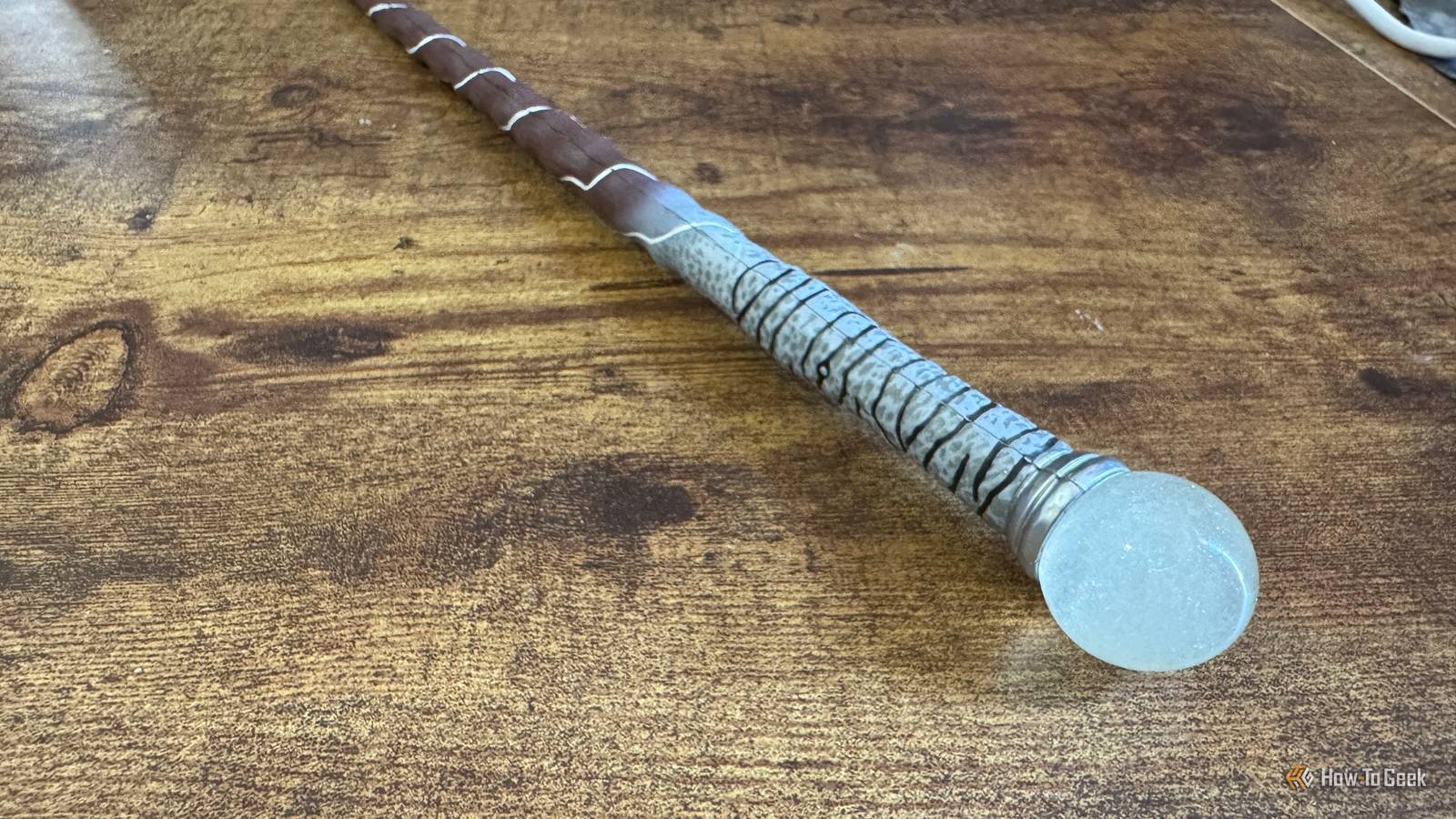
When I saw a post on Reddit showing someone turning on their lights by waving a magic wand, I knew it was something I had to set up for myself.The post was about using a Magic Caster wand, which was an officially licensed Harry Potter product that came with a proprietary app.The wand communicated with the app over Bluetooth, and when you performed the specific motions of a spell using the wand, the app would recognize which spell you had cast and would turn on a light or play sounds through a smart speaker.
The wand and app have been discontinued, but a clever Home Assistant user has created an integration that exposes the Bluetooth data and creates sensors that change depending on which spell motion you perform.It's then simple to set up automations to turn on your lights when the Lumos spell is recognized and turn them off again when you cast Nox.Related Smart Home Control Panels Will Be Big This Year (But I Wouldn't Buy Any) Control panels can be useful, but proprietary ones aren't recommended.
Posts By Ben Lovejoy Snapping my fingers Giving point-and-click a whole new meaning It's not very often that you see a genuinely new and original way to control your smart home, but that's exactly what Maestro is.While wearing an Apple Watch, you can simply point at a smart device in your home and snap your fingers to turn it on or off.In order to get it to work, you first need to "paint" your smart home devices so that the Maestro app knows where they are.
You point at your TV, for example, and move your hand back and forth as if you were painting over it.Once you've done so, you can point at the TV and snap your fingers to turn it on.The app works with both Home Assistant and Apple Home and is currently available through a free TestFlight beta.
I have it set up, and it works way better than I expected.It's not the only way my Apple Watch lets me control stuff with my fingers; I also set up a page turner for my Kindle that will turn the page whenever I tap my fingers together.A strange little cube Changing streaming apps is a roll of the dice Some smart home devices are solutions in search of a problem.
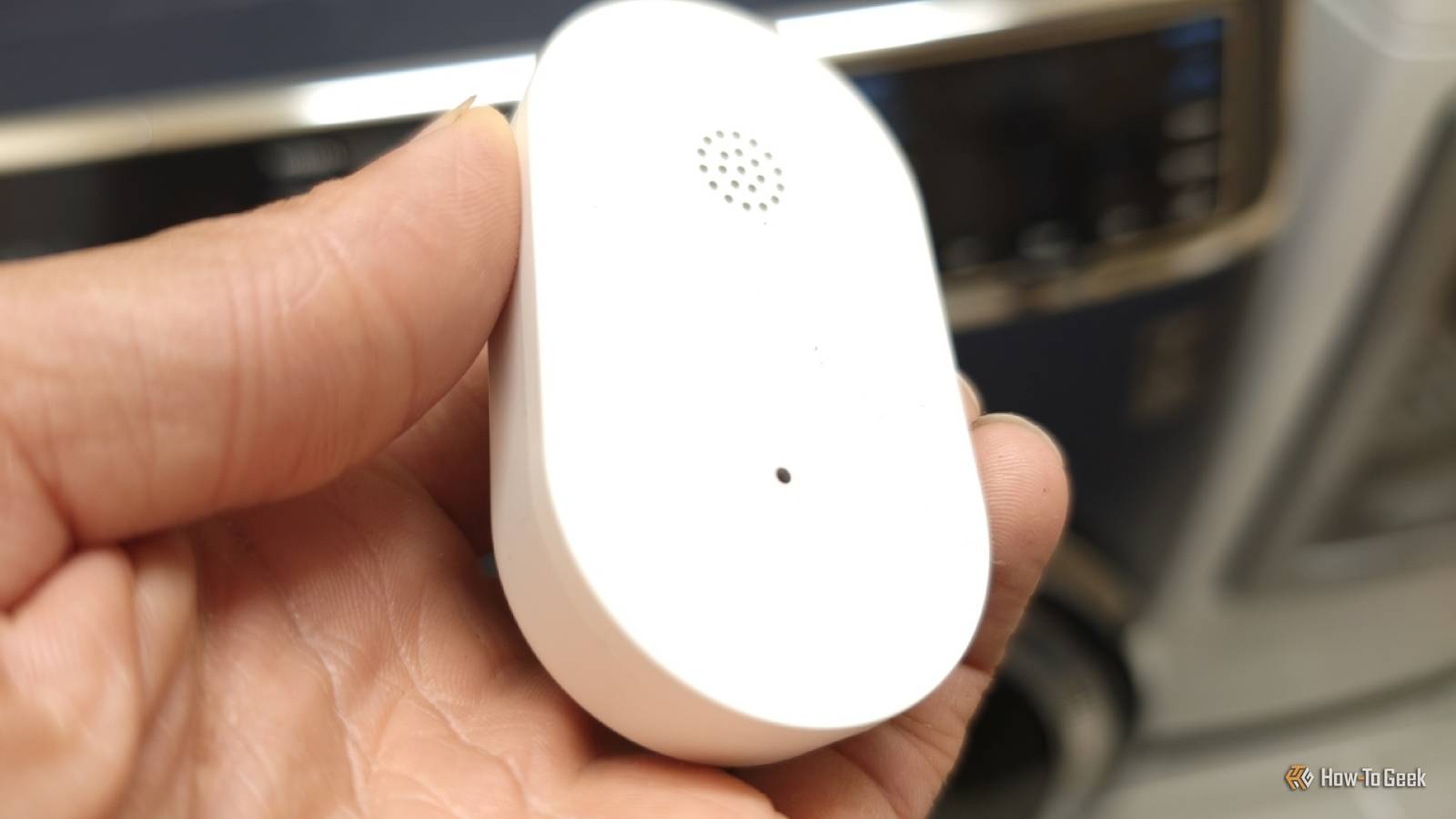
That's definitely the case with the Aqara Cube.It's a wireless smart home controller that uses six-axis sensors to recognize a wide range of gestures, such as tapping, rotating, shaking, and flipping.It took me some time to figure out how best to use one, but now it's something I use nearly every day.
One of the actions you can expose in Home Assistant is flipping the cube to a specific side.I added a bunch of labels to the sides for the six streaming services I use the most.Now, when I want to watch Apple TV, for example, I flip the cube so that the Apple TV logo is face up.
This triggers an automation that turns on the TV if it's not already on and launches the Apple TV app on my smart TV.If I decide that I want to watch Netflix instead, I flip the cube to the Netflix side, and the Netflix app opens.It's much quicker than trying to navigate through the list of apps on my TV.
The best part is when I want to turn off the TV.I pick up the cube, toss it in the air, and catch it.The TV turns off as if by magic.
By talking into an old-school phone No need for flaky wake words Close This was another project I set up on a whim, just to see if I could get it to work.I have a local smart speaker for Home Assistant that I built to replace Alexa.It works well, but sometimes the wake word is recognized when I haven't said it, which can get annoying.
I bought a cheap SIP phone to see if I could set it up so that I could pick up the phone to talk to my voice assistant instead.With a bit of effort, I got it working perfectly.If I want to turn off the light in my home office, I just pick up the phone and say, "Turn off the light." I hear the voice assistant’s spoken response through the phone.
My smart home can also call me.If there's an important notification, the phone will ring, and when I pick up, I hear the spoken announcement through the phone, which repeats until I hang up.It's become my default way to interact with my smart home when I'm in my home office.
Picking up the phone and speaking is much nicer than having to say a dumb wake word aloud.With a smart home, the possibilities are endless The Maestro app is clear proof that if you think you've figured out every possible way to control your smart home, you're almost certainly wrong.I love that new and interesting ways to do so are being discovered all the time.
I can't wait to see what's next.
Read More