An over-the-air, or OTA, update is any software fix or feature update an automaker sends to a car wirelessly, through a cellular or Wi-Fi connection, the same way a phone downloads a new app or security patch.The car downloads the code, installs it while parked, and comes back online running something different than it did the night before, all without a trip to a dealership.These OTA updates are possible because of an automotive industry trend known as the software-defined vehicle, or SDV for short.
SDVs are cars designed to gain new capabilities long after they leave the factory, rather than staying fixed at the point of sale.McKinsey defines an SDV as one built around a central compute architecture, which allows it to be updated multiple times throughout its lifespan.In practice, that's meant Kia clearing false warning lights on the EV9 without a dealership appointment, Ford adding video streaming to F-150 Lightning trucks that didn't ship with it, and Lucid adding Android Auto and Apple CarPlay for Gravity owners who'd been driving without it prior.
None of that works, though, without the same connection reaching every eligible vehicle in a fleet within the same few hours.The speed is what makes OTA updates useful and beneficial.It's also what makes a mistake potentially dangerous.
Flawed lines of code don't stay contained to one car, since any flaw would reach as many vehicles as the update itself does.Two incidents from 2025 show what happens when OTA updates go wrong, while also offering good case studies for avoiding future hiccups.Backup camera fix that disabled the brakes Volvo's June 2025 brake recall traced back to an earlier bulletin Volvo recalled more than 11,000 electric and plug-in hybrid vehicles from model years 2020 to 2026 after finding a software defect in the Brake Control Module could disable braking under specific conditions.
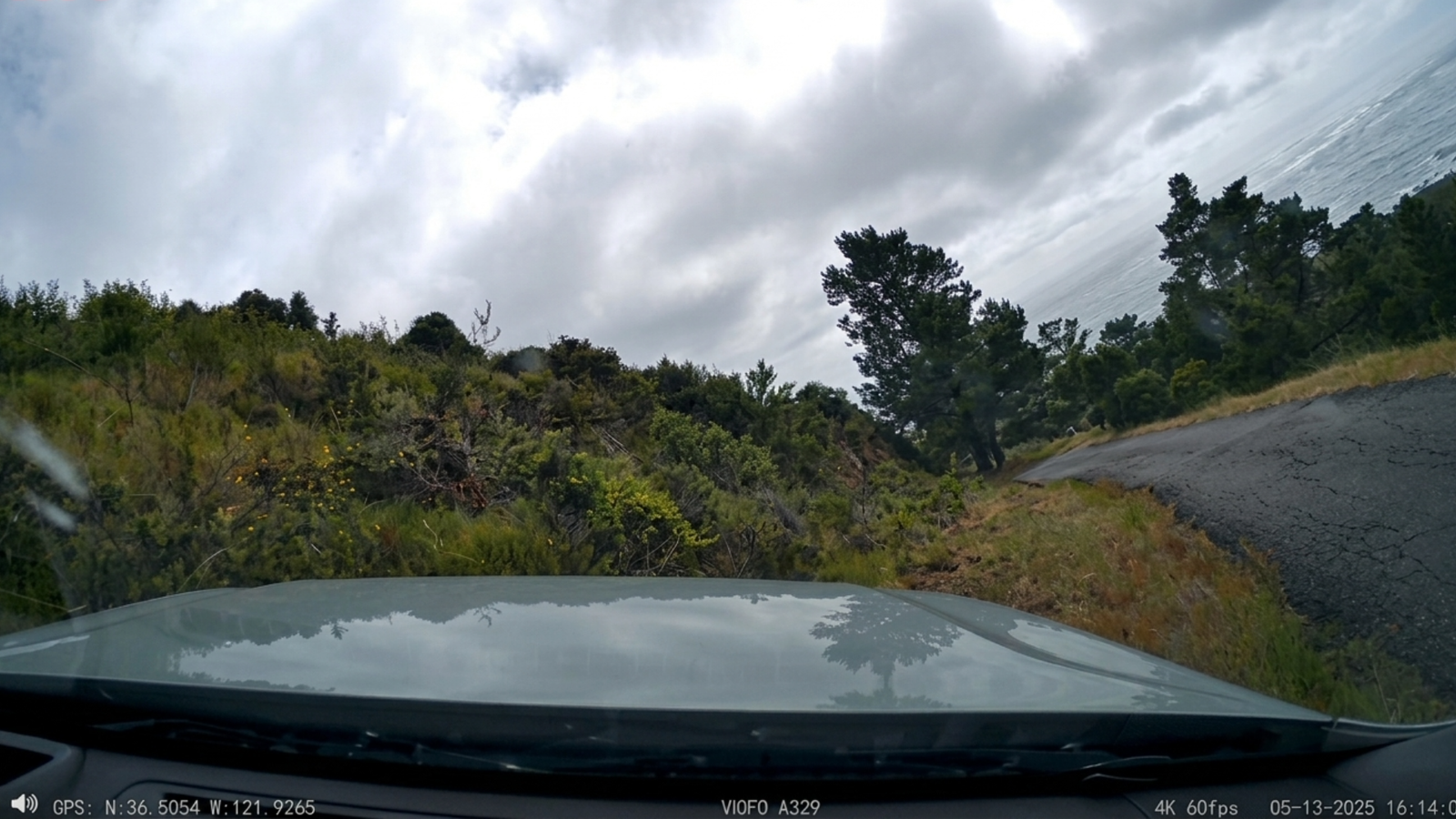
If drivers coasted downhill for at least one minute and 40 seconds in "B" mode or One Pedal Drive without touching either pedal, the brakes could stop responding altogether.NHTSA later released dashcam footage of one owner's brake failure to illustrate the risk.Although OTA updates can add new and exciting features to an existing vehicle, Volvo's braking defect did not stem from that type of update.
Instead, it traced back to an earlier recall for the rearview camera system that may fail to display the surroundings on the touchscreen when the vehicle is in reverse.Volvo's fix for the reverse camera issue, software version 3.5.14, released April 25, 2025, is what introduced the brake problem.In other words, the June 2025 recall was prompted by the backup camera fix that disrupted a system (i.e., the Brake Control Module) it was never meant to touch in the first place.
By July 2025, about 1,000 vehicles remained unrepaired, prompting NHTSA to issue a public warning telling owners who hadn't yet installed the fix to avoid using "B" mode or One Pedal Drive until they did.Related Your car might have an open safety recall—here’s how to check Checking only takes a moment.Posts By Carl Anthony Infotainment update that caused drive power loss Jeep owners reported issues right away Close Jeep sent an OTA update to certain 2023-2025 Wrangler 4xe PHEVs on Friday, October 10, 2025, for the Telematics Box Module, the hardware that handles the vehicle's cellular connection for services like remote start, vehicle locate, and the Uconnect app.
The update was meant to improve connectivity, certainly not to change how the vehicle drove.Problems started that same night, however, as owners on forums like Allpar and 4xeForums began reporting a similar pattern, namely a Jeep that ran fine for a while, then lost power without warning.One owner wrote that their Wrangler died in South Lake Tahoe over the weekend and had to be towed to Carson City.
As reports piled in, Jeep's support team identified the telematics update as the likely cause and pulled the rollout.By October 14, more than 200 complaints had reached NHTSA.The Technical Safety and Regulatory Compliance team at Stellantis opened a formal investigation and issued a rollback fix to affected vehicles.
Stellantis reported the recall to NHTSA on October 17, and five days later, on October 22, NHTSA made the recall public, covering 24,238 Jeep vehicles.The recall filing from Stellantis traced the failure to incomplete communication between the Telematics Box Module and the Hybrid Control Processor, which could make the processor reset itself, sometimes while a vehicle was moving.If that happened, owners would experience a loss of forward drive power, which could increase the risk of a crash.
What it means for your car or the next one you buy Over-the-air updates have moved from laptops and smartphones to something most new cars can support, be it for enabling new features or fixing recalls while your vehicle is parked at home.Most OTA updates happen as planned; the Volvo and Jeep cases are exceptions, not the norm.However, those examples show how OTA updates can be a double-edged sword, whereby defects are inadvertently introduced alongside beneficial fixes and feature additions.
Berg Insight, a research firm that tracks the connected car market, found that 83% of new cars sold worldwide in 2025 had a built-in cellular connection, up from 79% the year before.In North America, that number was higher yet, with 94% of new cars sold in 2025 having the built-in cellular connection necessary to receive updates wirelessly, or over the air.As OTA update technology advances and vehicles become more software-driven, it's best to stay mindful of the changing landscape, especially since these new technologies could increase the cost of your next vehicle.
As time goes on, it will become increasingly important for all of us to ask tech-focused questions when shopping for our next vehicle.
Read More