So you've finally got gigabit broadband and Ethernet and Wi-Fi to match.Just a few years ago, this would be an impossible dream, but it's becoming the norm for more and more people.Now, at last, you can stop worrying about how fast your home network is and relax—just kidding! The thing is, the role of home networks is starting to change, and our ideas about bandwidth on our LANs need to change with it.
You don't need to rip it all out today, but the time to move beyond the gigabit is coming for most of us sooner rather than later.The Internet isn’t your main data path anymore Local networking is more important than ever before The thing is, how fast your connection is to the Wide Area Network ( the internet) is becoming less important.More and more data is being moved locally on your home network rather than out to the cloud.
For example, if you're a PC gamer, and you use Steam, games will now install on the local network if another computer already has the game.Likewise, more people are buying or building NAS solutions, which means you need to move terabytes of data around your network as computers make backups or people in your home access files.Self-hosting is also growing in a big way.
It's not just a hobby among Linux and server nerds.Lots of people now host their own media, music, and even ebook servers at home.If you use Plex, Jellyfin, Calibre, or one of numerous other solutions at home, you're already part of the self-hosting revolution.
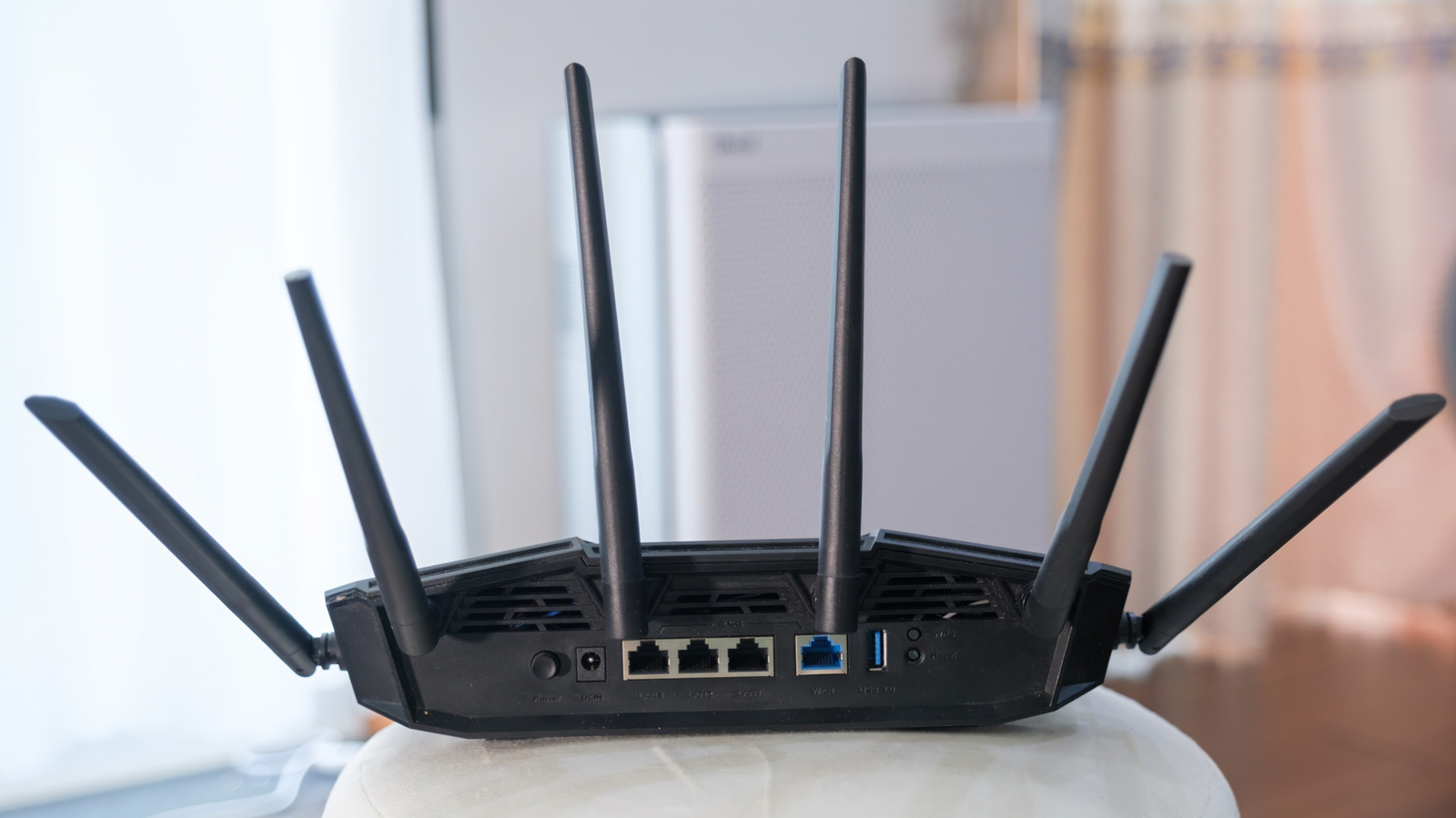
Wi-Fi marketing numbers don’t match real throughput You're always getting shortchanged Close I have a Wi-Fi 5 mesh router system in my home, and this generation of Wi-Fi theoretically has a maximum speed of 6.9Gbps! Of course, that's using a fancy multi-link router under ideal lab conditions, but that's still a massive number.My actual router system is rated for up to 400Mbps on the 2.4Ghz channel and 867Mbps on the 5Ghz channel That sounds perfect for my Gigabit fiber connection, which offers about 950Mbps tested at the source.In practice, I'm lucky to see 500Mbps even a foot away from the main router pod connected directly to the fiber interface, and I usually get around 200Mbps at any random spot in my home using Wi-Fi.
Wi-Fi 6 does better, but most people don't have this, much less Wi-Fi 7 which can really make full use of fast modern broadband.Keep in mind, these numbers are also the speeds you're getting on your local network.My Steam local transfers happen at around 200Mbps too, because the most distant machine is limited to this speed.
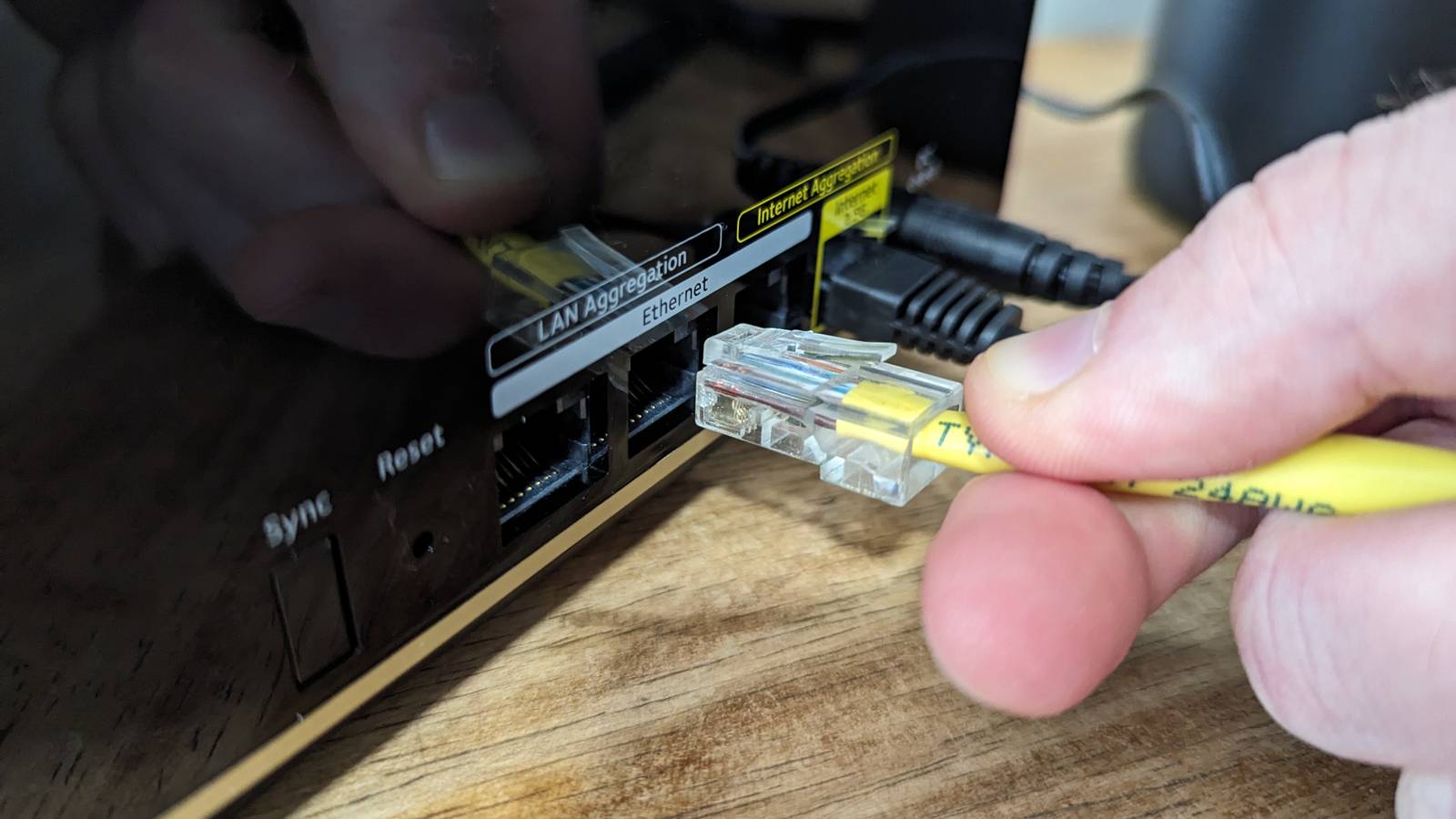
Even though I have excellent 5Ghz coverage.So chances are your current Wi-Fi system can't even keep up with modern broadband, much less the local speed requirements you have.Related 5 simple network mistakes that are secretly killing your internet speeds Your router is probably in the worst spot in your house Posts 1 By Patrick Campanale Gigabit Ethernet was ‘good enough’—until it wasn’t We need more bandwidth, even if it doesn't seem like it It's always a good idea to wire up as many of your network devices with Ethernet as you can.
Not only is this the fastest and most reliable connection method, but it reduces Wi-Fi traffic.Which means your remaining Wi-Fi devices will also perform better.It's also a good way to give devices access to the portion of your internet bandwidth that your Wi-Fi can't use.
Most people should be using gigabit Ethernet these days at a bare minimum.However, 2.5Gbps and 10Gbps network interfaces are becoming more common, and with more local network storage and hosting happening in typical homes there can never be enough bandwidth to go around.It's already a good idea to upgrade your cabling today, but your next router or network card purchase should be faster than 1Gbps or you're going to bottleneck local network applications in the near future.
Especially when serving multiple people on one network.The modern home looks more like a small data center The network of the modern home, with smart devices, local servers, and large media files, looks more like a microcosm of a data center than the basic home LANs of the 2000s and 2010s.That's a good thing if you ask me.
It's important that we take some of the power and control away from cloud service providers.By running your smart home, AI, media, storage, and other services locally you protect your privacy and take control over your own data.This is all, in general, a good thing.
However, it means that most of us probably have to rethink the architecture of our home networks.Right now, this might be an expensive proposition, but those fast modern network standards are getting cheaper by the day, and when the time is right you need to be ready.UniFi Dream Router 7 9 Brand Unifi Range 1,750 square feet Wi-Fi Bands 2.4/5/6GHz Ethernet Ports 4 2.5G USB Ports None MU-MIMO 2x2 MU-MIMO $279 at B&H Photo Video $279 at Unifi Expand Collapse
Read More