I’m constantly amazed by the projects I see shared online that make increasingly impressive use of cheap $5 microcontrollers like the ESP32.With built-in Wi-Fi and Bluetooth, plus the ability to interface with additional radio interfaces, the wireless possibilities are seemingly endless.Add How-To Geek on Google Add as Preferred Source Follow on Google Discover Here are some ideas to explore this weekend.
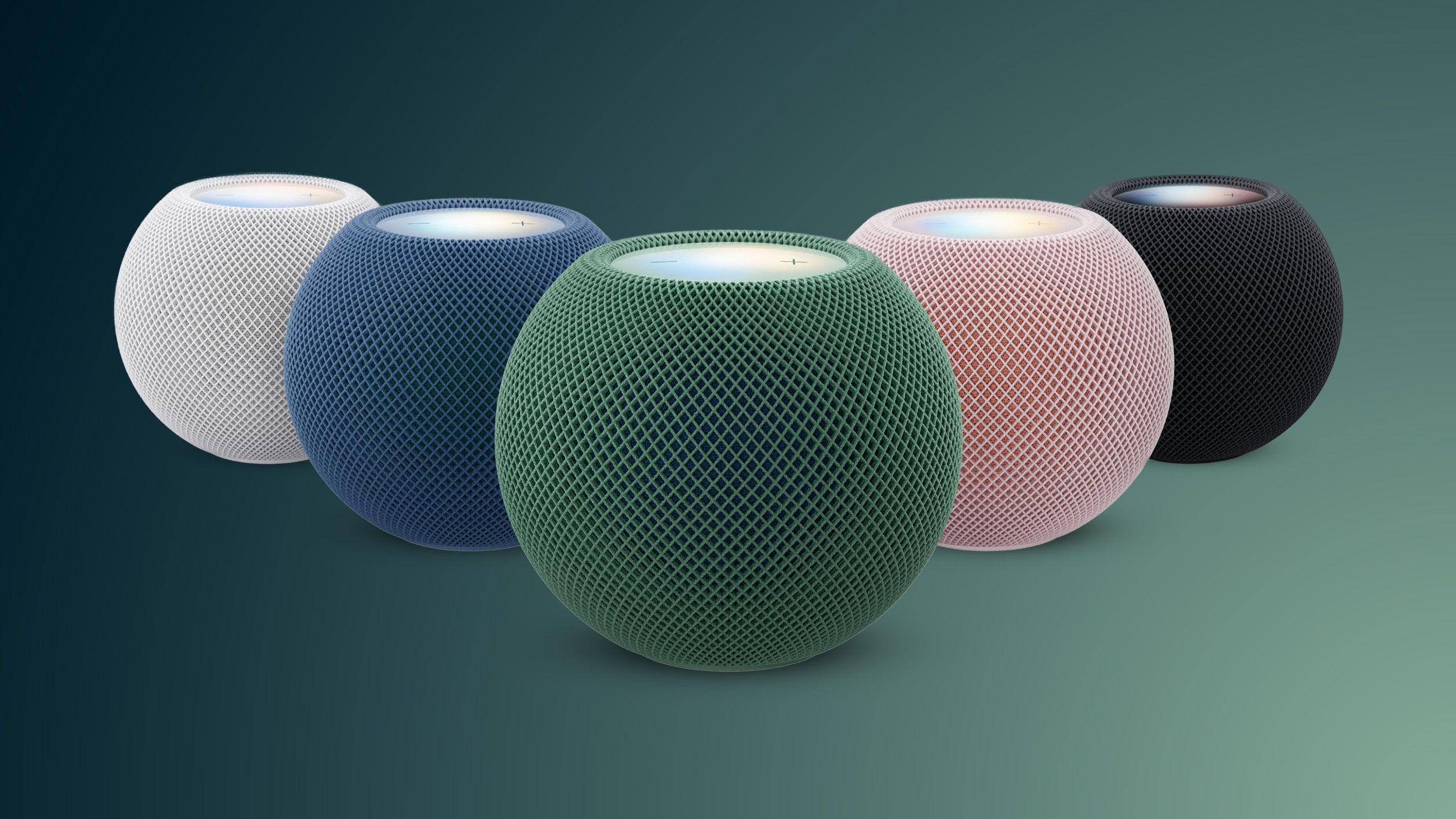
A complete AirPlay 2 surround system Pair these with an Apple TV for cheap surround sound Did you know that the humble Apple TV streaming box can send 5.1 and 7.1 surround sound using Apple’s AirPlay 2 protocol? This only works with receivers that advertise they are capable of receiving surround streams, and the ESP32 AirPlay 2 Surround 7.1 is built on that concept.To quote the product’s documentation: “Every receiver in the group gets the whole multichannel stream, and all of them play each sample at the same moment because they share one PTP [precision time protocol] clock.” The board announces whether it’s 5.1 or 7.1 capable; only one channel per board is decoded, and the channel is passed to both outputs (whether that’s left and right, tweeter and woofer, or to a subwoofer amplifier).The speakers, or rather the boards inside the speakers, never communicate since all timing is handled by the Apple TV.
You can define where each board appears using a web interface, with no need to restart the system for changes to take effect.For every speaker, you need an ESP32-S3, an audio output (I2S amplifier or I2S DAC with an analog amplifier, and a speaker), a power supply, an enclosure, and some wires to hold it all together.You can start small with only two or three channels (left, right, and center or subwoofer) and add more as you go.
The project, like so many, was built with AI assistance which the author has been upfront about.I expect the project will be renamed in time as it gets more attention and potentially draws the ire of Apple, who are rather protective of their branding.The stylish Air Drift world radio streamer Infinite radio, no subscription Air Drift is an index of more than 60,000 streamable radio stations from 227 countries around the world.
It works in a web browser and allows you to “drift” around the globe with the tap of a button, discovering new music and challenging yourself with an unpredictable playlist of never-ending radio.Air Drift for ESP32-S3 is a dedicated device for listening to this service.It relies on the unique Waveshare ESP32-S3-Touch-LCD-1.85, a round LCD display with an embedded ESP32 microcontroller that costs around $35.
This board includes Wi-Fi connectivity, a DAC, and an amplifier with a header for connecting a speaker of your choice.Alternatively, you can throw together a custom build if you’re feeling more adventurous.You’ll find full instructions for configuring a simple unit or constructing a more involved custom build over at the project’s GitHub page.
Once complete, scan a QR code on the display to connect via your phone and input your main Wi-Fi credentials to give the unit access to the broader internet.From here, you can drift through stations and save your favorites, without the need for a subscription or an account.OrcSDR radio receiver Complete with a wireless remote dial for tuning Close “SDR” stands for software-defined radio, and it’s the term given to a radio tuner that scans using software rather than the analog hardware you’d see on an old-timey radio.
OrcSDR is a portable touchscreen SDR that might be the last radio you ever need.Unlike the Air Drift ESP32 build above, this is a real scanner that doesn’t require the internet to work.At the heart of the build is a M5Stack Tab5, a $60 touchscreen terminal device with an integrated ESP32-P4, ESP32-C6, antenna, camera, microSD card slot, audio codec, dual microphones, small speaker plus headphone jack, and battery.
Also used is the RTL-SDR dongle, a radio scanner that connects to the Tab5 via USB, which you can buy online for around $30.Once you’ve flashed the Tab5 with the OrcSDR firmware using a web browser, you’ll have a fully portable radio scanner at your disposal.With it, you can listen to FM, AM, and shortwave (SW) radio, NOAA weather radio, aviation radio (airband), marine radio, CB radio, and P25 control channels.
The device can also scan ADS-B aircraft broadcasts, passively monitor LoRa comms, browse but not decode satellite frequencies, analyze Wi-Fi channels, and more.You can also build the OrcDial, an optional rotary scanner that uses the M5Stack Dial (which is powered by an ESP32-S3).Looking for even more audio-related ESP32 projects? Check out these sound-reactive lighting builds that use LED strip lights and WLED.
Read More