Windows' Snipping Tool has come a long way, but it still falls short for anyone who screenshots regularly.Flameshot, a free and open-source alternative, fills in the gaps with surprisingly little fuss.What's Flameshot? A lightweight screenshot tool built for speed and precision Close Flameshot is a free, open-source screenshot utility that started on Linux and has since made its way to Windows and macOS.
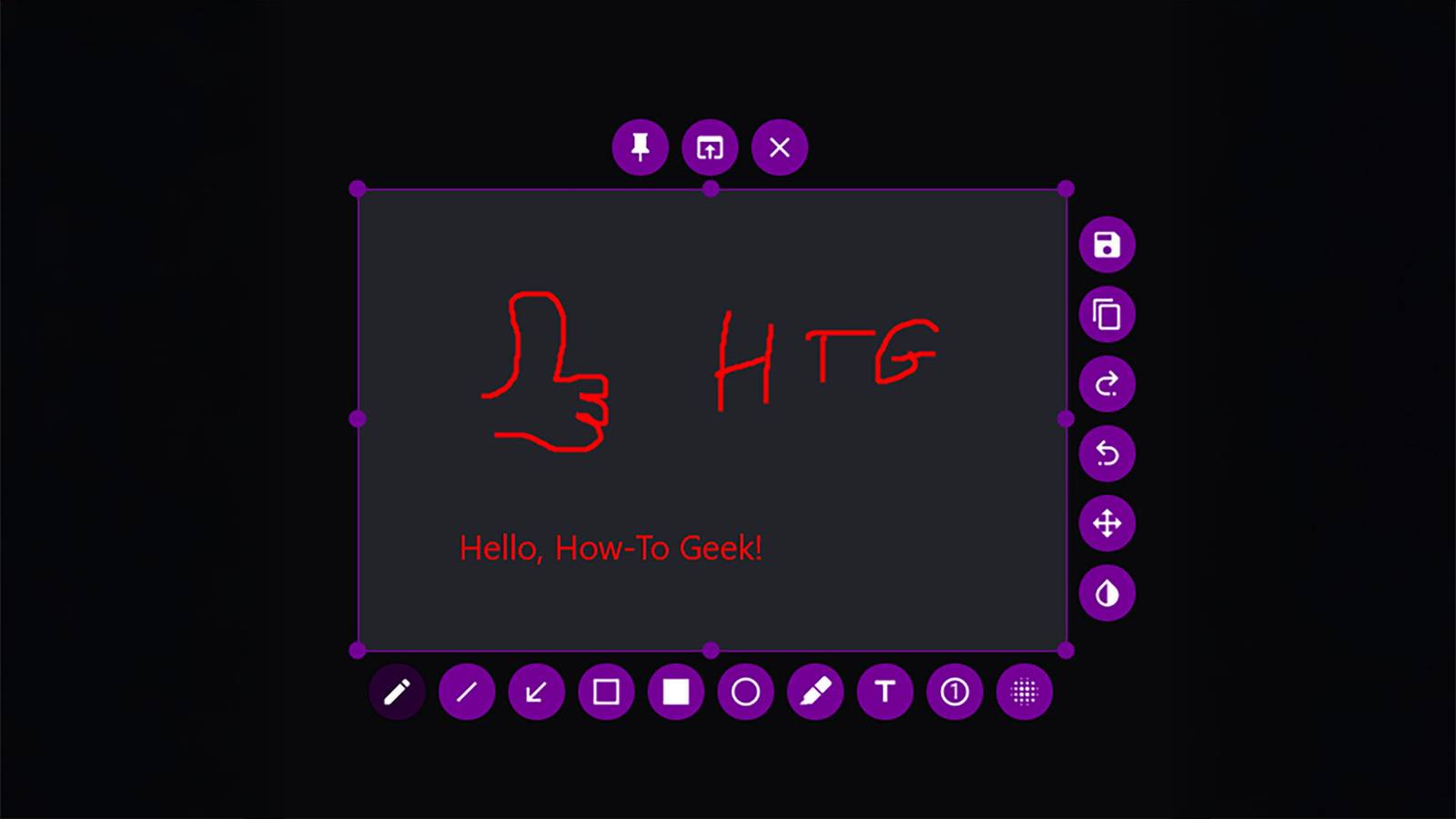
At its core, it does what every screenshot tool does: it captures a region, a window, or your full screen.What sets it apart is what happens immediately after you take that screenshot.Instead of dumping a flat image to your clipboard or desktop, Flameshot opens an in-context editing overlay right where you captured the shot.
You can draw arrows, add text, blur sensitive information, highlight sections, or draw shapes, all before the image ever leaves your screen.There's no need to open a separate editor, paste the image in, make your changes, and re-export it.The tool is built in C++ using the Qt framework, which keeps it lightweight and fast even on modest hardware.
It runs quietly in the system tray and can be triggered with a customizable keyboard shortcut, so it slots into your existing workflow without demanding much attention.Configuration is handled through a simple settings panel where you can adjust the default save location, tweak the appearance of the editing tools, and set up global shortcuts.Because it's open-source, Flameshot is developed transparently on GitHub, with a community of contributors actively fixing bugs and adding features.
There's no telemetry baked in, no upsell to a "pro" version, and no account required to use it.You install it, set a shortcut, and it's ready to go.Should you use it? Why Flameshot should earn a permanent spot in your toolkit For most people who take more than the occasional screenshot, Flameshot is worth installing.
The built-in annotation tools alone justify the switch from the Windows default.Being able to blur out a password field, circle a button you're referencing in a tutorial, or add a text label, all within the same window where you took the screenshot, saves real time over the course of a week.If you write documentation, create how-to guides, report bugs, or just send a lot of annotated screenshots to coworkers, the efficiency gain adds up quickly.
It's also a solid pick for anyone who values control over their tools.Flameshot lets you set a custom save path, choose between saving to disk or copying straight to clipboard, and adjust nearly every visual detail of the editing interface.None of this requires digging through hidden menus or registry edits.
The options are laid out plainly in the settings.That said, Flameshot isn't for everyone.If you only take a screenshot once a month to grab a confirmation number or an error message, the built-in Snipping Tool is probably good enough, and installing another piece of software might not be worth the trouble.
Flameshot also doesn't include some of the more advanced features found in paid tools, like scrolling capture for long web pages or built-in cloud syncing across devices.It's a screenshot and annotation tool, not a full screen-recording or sharing suite.For everyone else, especially people on Linux where the built-in screenshot tools are often inconsistent across desktop environments, Flameshot is a clear upgrade.
It's free, it's actively maintained, and it solves a problem most of us deal with daily.What other screenshot alternatives are there? A few other tools worth comparing before you commit Flameshot isn't the only option if you're looking to move past the Windows defaults.ShareX is probably its closest competitor on Windows and has a longer track record there.
It offers a much deeper feature set, including scrolling captures, OCR, video recording, and direct uploads to a long list of file-sharing services.The tradeoff is complexity.ShareX's settings menu is dense, and it can feel overwhelming if you just want a quick annotated screenshot without digging through configuration screens.
Greenshot is another lightweight, open-source option that's been around for years.It's simpler than ShareX and closer in spirit to Flameshot, with solid annotation tools and a small footprint, though its interface feels a bit dated compared to Flameshot's cleaner overlay.If you're on macOS, the built-in screenshot tool (accessible with Shift+Command+5) has actually become quite capable on its own, with screen recording and basic markup built in, which makes a third-party app less necessary there.
For Linux users, the right alternative often depends on your desktop environment.GNOME and KDE both ship with their own screenshot utilities that have improved significantly in recent releases, though they still lack the immediate annotation workflow that Flameshot offers out of the box.Ultimately, the choice comes down to how much depth you need.
If you want power-user features like cloud uploads and scrolling capture, ShareX is worth the learning curve.If you want something fast, clean, and distraction-free, Flameshot remains the easiest recommendation.A small tool that fixes a daily annoyance Flameshot won't replace dedicated screen recorders or cloud-based sharing suites, but for everyday screenshotting and quick annotations, it's faster and more capable than what Windows offers by default.
Read More