If you are just starting your journey into self-hosting, you'll have to make a choice before installing your first instance of Jellyfin, Immich, or Home Assistant: which operating system do you use? Unlike other computer debates, where tribalism and taste are incredibly important, hosting a server is mostly a practical question.It needs to be flexible, efficient, and reliable.All of that points in only one direction: Linux.
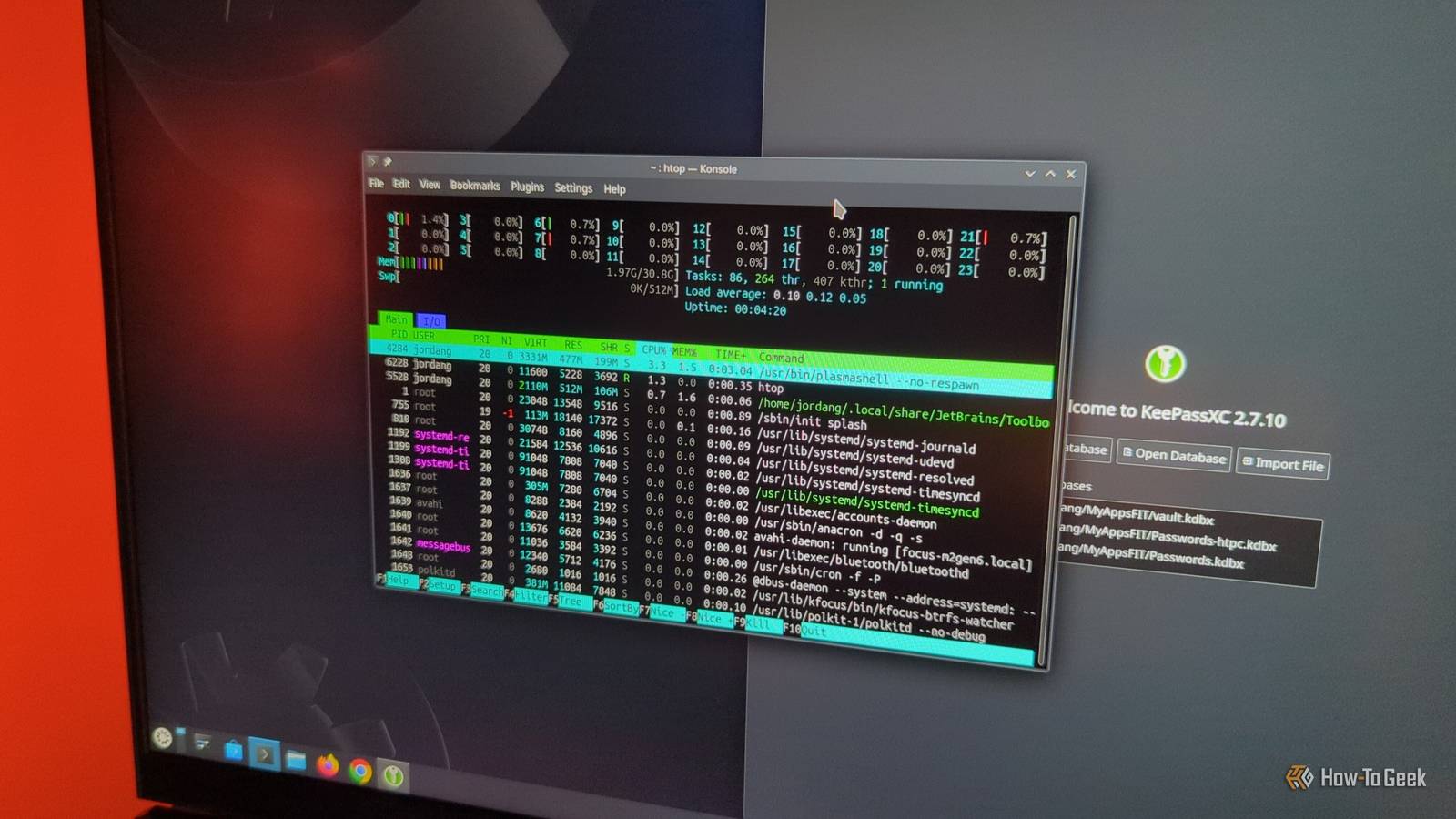
Linux is practically designed to be a server Lighter and easy to leave alone Whatever your server does, you never want it to consume more resources—be that power or computation—than it needs to.A headless version of Ubuntu (or Debian) can get away with using a few hundred megabytes of RAM.On the other hand, Windows consumes several gigabytes in its idle state.
If you're using it as a desktop, that isn't usually all that important, but it does limit what hardware you can use as a server.If you want to repurpose an old laptop or desktop, a cheap mini PC, or a Pi, you can't afford to lose several Related I bought a barebones mini PC to reuse an old SSD, and it’s the smartest tech choice I've made all year I built a secondary PC using a barebones mini PC and free Linux, and I’m completely sold Posts 1 By Rich Hein A server’s only real job is staying up using whatever hardware you have available.A headless installation of Debian or Ubuntu Server idles around 200–400MB of RAM.
In contrast, Windows wants several gigabytes before you've even launched your first app.That gap in resource usage determines what hardware you can actually use.If you want to repurpose a retired laptop, a $150 mini PC, or a Raspberry Pi, Linux is the only viable choice.
You can't afford to lose double-digit percentages of your total resources.When you need to manage your server, you normally do it via SSH, which spares you the overhead over a full desktop environment that you won't need 99% of the time.WD_BLACK 2TB SSD Storage capacity 2TB Hardware Interface PCIE x 4 Compatible Devices Laptop, Motherboards Brand Western Digital TBW 7300 MB/s Dimensions 3.15"L x 0.87"W x 0.09"Th The WD_Black 2TB SSD is great for gaming.
It offers read speeds of up to 7,300 mb/s and features an optional heatsink.The drive includes the wd_black dashboard software for monitoring health and customizing RGB lighting on compatible models.$212 at Amazon Expand Collapse Beyond the RAM, there is the issue of control.
Windows Update famously likes to update whenever it would like, which is a recurring problem if you're hosting something that needs to be accessible 24/7.Linux allows you to apply unattended security patches and only reboots when you tell it to, while systemd will reliably automatically restart crashed services in the background.Unless I manually restart them, my Linux servers will usually run for months between restarts (usually power outages), while my Windows PC forcibly resets itself at least a few times per month.
When you're hosting something like a game server, a photo backup service, or a streaming service that you use regularly, that sort of unpredictable interruption is annoying at best.The self-hosting world is built around Linux Support for Windows is secondary When you start reading about self-hosting online, you'll find that the overwhelming majority of the guides, scripts, installers, and forums are targeted towards Linux.The first-party documentation for self-hosted projects also skews heavily towards Linux; often times, Windows instructions (and installers, for that matter) are often completely absent.
Even the "user-friendly" platforms—Proxmox, TrueNAS, Unraid, CasaOS—are all Linux underneath.If you choose to self-host on Windows, you will spend a significant amount of your time reworking the answers you find to fit Windows before you can actually use it.Even Docker on Windows runs Linux Those who defend using Windows as a self-hosting platform are quick to point out that Docker—which makes self-hosting much easier in most cases—runs on Windows.
However, that isn't really true once you take a peek under the hood.When you use Docker Desktop on Windows, the system runs every Linux container inside a WSL2 virtual machine.Essentially, Windows is hosting a version of Linux just so that can host your apps.
There are Windows containers, but most of the things you'll self-host will default to Linux containers.That approach also introduces a intermediary that uses up resources.You end up with VM memory reserved out of the gate and somewhat slower read and write, you have one more thing to debug when something inevitably goes wrong.
Deals Save on Mini PCs, Refurbs & Server Hardware Deals Explore discounts and limited-time offers on compact PCs, refurbished laptops, and home-server components.Grab bargains on SSDs, RAM, network gear, and mini-PCs to build a low-power Linux server affordably.Deals Explore Computers & Work Setup Deals If every container's destination is Linux anyway, and skip the roundabout solutions.
Linux might take a bit more upfront, but that effort pays off Linux is the best choice because the entire self-hosting world is already built around it.Even when you run containers on Windows, they are running inside a Linux VM.By using Linux, you get lower idle requirements, no surprise reboots to "upgrade your experience," and as much documentation as you could possibly need.
Starting with any old PC or laptop, you can be up and running Proxmox within an hour or two, even if you've never touched it before.Once you're there, firing up a virtual machine with whatever system specs you want and installing Docker Engine and Compose using the official script only takes another 20 minutes.That initial time investment (even if there is a bit more learning involved at the beginning) will save you hours of troubleshooting in the future.
Read More