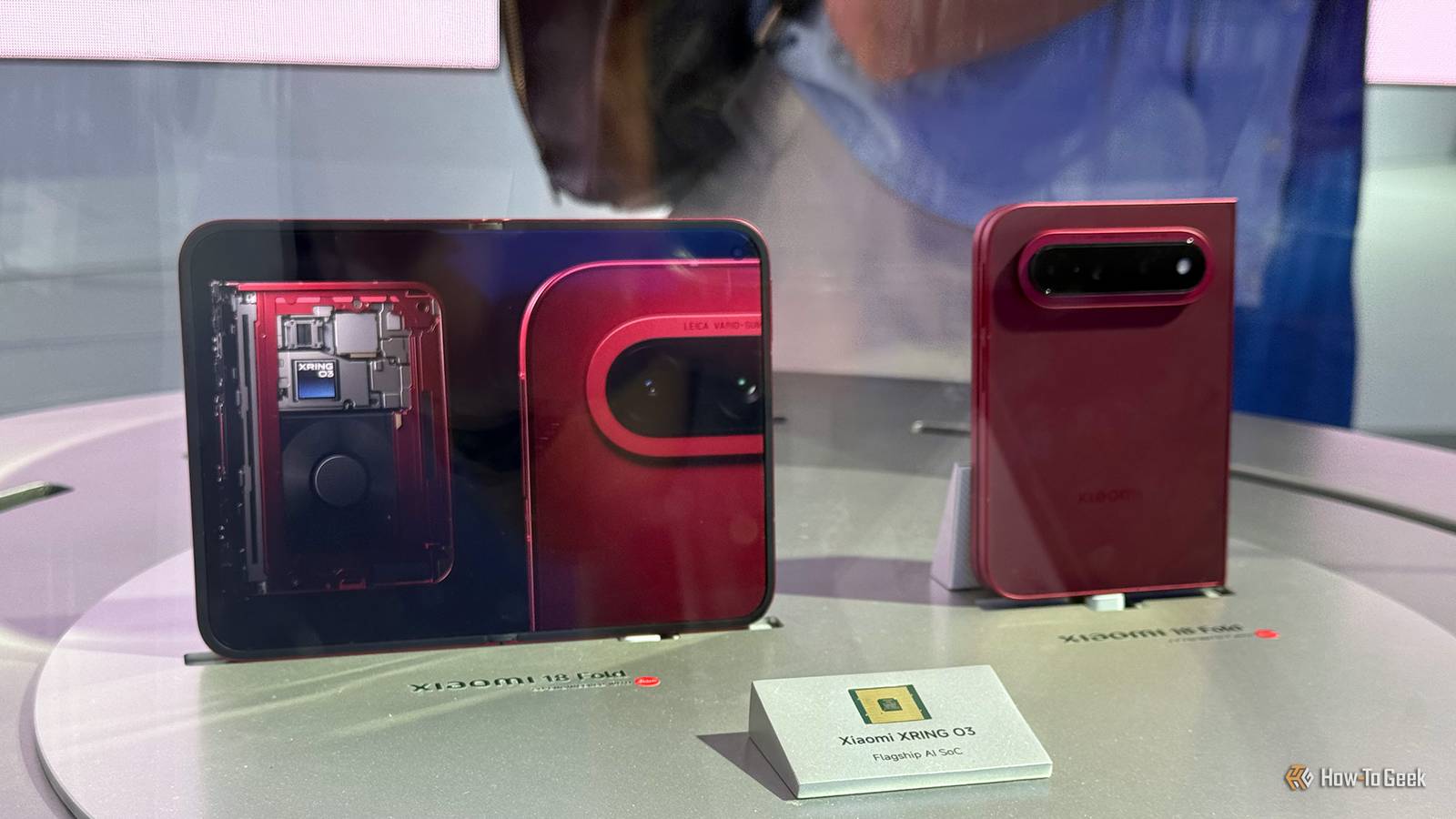
It's tempting to import a Chinese phone for U.S.use, and for good reason.They frequently have more powerful cameras, gigantic silicon-carbon batteries, and clever features at prices that undercut their American and Korean counterparts.
I've used some myself, and it's wonderful to have even mid-range Android devices that take quality photos and last two days on a charge.However, there are inherent risks to leaping on these phones.In many ways, you're on your own.
Support drawbacks can easily undermine hardware advantages, and quirks can still pop up even if everything goes smoothly.Here's why you should avoid phones from China unless you clearly understand the potential pitfalls.Network support can be flaky Don't assume a phone will work with your carrier Close Chinese cellular networks use different frequency bands than American carriers, and that can cause problems the moment you turn on your phone.
You might lose some coverage, including rural LTE service and high-speed mmWave 5G.You might regret your choice if you regularly visit areas with barebones service, or you simply crave speed.There's also the question of carrier features.
You might lose voice over LTE (VoLTE), Wi-Fi calling, and elegant network switching, among other issues.These won't necessarily be problems depending on your habits, but they're worth considering before you make the leap.You might also need to be picky about your carrier, even with global editions of Chinese devices.
T-Mobile tends to have solid support thanks to more shared frequencies and seamless eSIM activation.AT&T and Verizon, however, can either have problems or even refuse to handle anything more than basic calling.Unless you're happy to switch providers, you may have to abandon hopes of using a Chinese handset.
Apps can be problematic Full support isn't guaranteed If you do get up and running in the U.S., apps may break...if they run at all.Phones made for China's domestic market don't have Google Mobile Services installed, so you won't have first-party Android apps like Gmail or Google Maps out of the box.
Workarounds exist, but you'll need to be comfortable sideloading software or flashing your device with international firmware (aka ROMs).A factory reset will undo your handiwork, for that matter.You can still have headaches even with a global model.
Chinese devices often lose support for Google Wallet and tap-to-pay.Apps and services might be region-locked or fail to sync properly.I haven't had trouble with apps outside of Wallet, but there's no certainty that the experience will be painless for every phone.
You'll also have to contend with bloatware that makes even the more aggressive non-Chinese manufacturers seem restrained.On the Xiaomi phones I've used, for instance, there's a legion of apps I know I won't use.Sorry, Xiaomi, I'm not shopping in the App Mall or using your smart home platform.
This doesn't include heavy customization that sometimes borrows many cues from the iPhone.If you use Chinese domestic devices, you'll likely have to wade through Chinese menus to switch to English, or deal with non-removable apps that only work at home.It's usually easy to hide unwanted apps, but they'll add to your setup time and take up valuable storage.
Little to no customer support You'll have to fend for yourself This can seem obvious, but it bears repeating: Chinese manufacturers rarely have U.S.customer service.You buy at your own risk.
You often have no one to speak to for troubleshooting.And you can forget about official repairs — if your phone breaks, you're stuck with an expensive paperweight.Apple, Google, Motorola, and Samsung owners can walk into many stores and expect help, sometimes within minutes.
With a Chinese phone, even specialist shops are very unlikely to have parts.Related New Android phones aren't worth buying anymore Even though they're better than ever.Posts 56 By Andy Betts Accessories won't be readily available either, so you may have to import them as well.
Some phones include cases and chargers in the box, but not all of them.What good is a proprietary fast-charging feature if you can't use it? As such, it's only really worth buying a Chinese phone stateside if you baby it and know the consequences should things go sideways.It's not worth saving money up front if you're forced to buy a replacement after a drop, not to mention going without service until that new phone is ready.
Buy the specs only if you can live with the tradeoffs Yes, this situation is unfortunate.It leaves you with four major phone manufacturers to choose from, and even smaller makes are harder to find now that OnePlus has bowed out.They're more conservative than their overseas challengers, too.
Without either U.S.government backing (remember the Huawei ban?) or pent-up interest, though, it's doubtful that you'll find the latest Honor or Oppo flagship sitting in your local store.
Read More