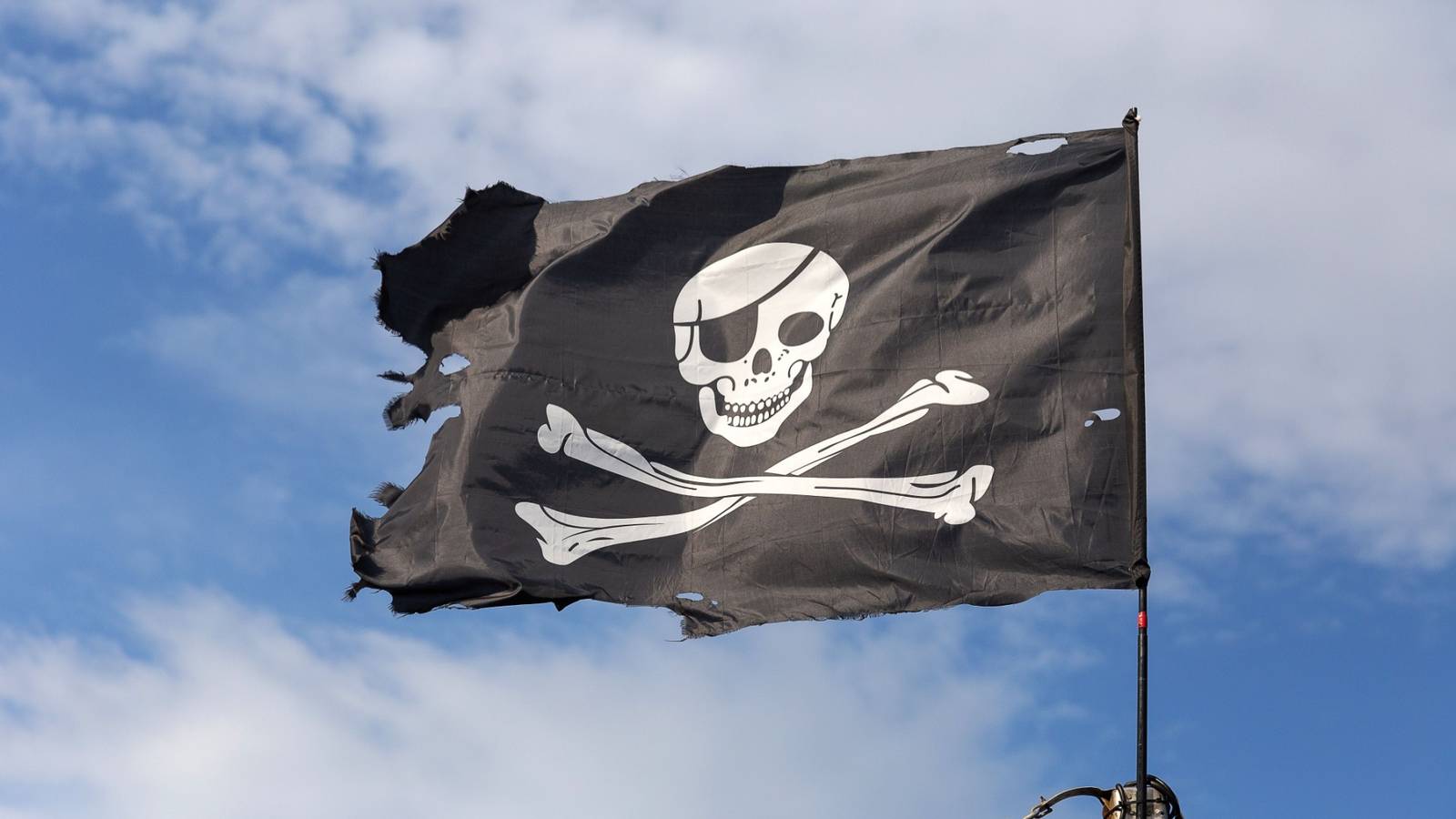
Pirating TV shows and movies used to be a major problem that cost the industry huge amounts of money.Nothing seemed to be able to stop its rise until Netflix came along.Piracy declined sharply, but it's becoming increasingly popular again.
Unauthorized downloading, streaming, or sharing of copyrighted movies and TV shows can have legal consequences under copyright law.The penalties and enforcement approaches vary by country, and can include civil claims, fines, or criminal penalties in some cases.Piracy was rife before Netflix came along You would download a car At the start of the century, piracy was blowing up.
The launch of Napster back in 1999 allowed millions of people to share MP3s with the world.When Napster died, services such as LimeWire and Kazaa stepped into the void.These tools didn't just let you share music; they also made it easy to share TV shows and movies.
There were several reasons why piracy became so popular.The first was obvious: you had to pay a lot for cable and satellite packages, whereas torrenting cost nothing.This wasn't the only driver, however.
Another major factor was ease of access; a movie might come out in the cinema, and then you'd have to wait until it appeared on DVD, then wait again for it to be broadcast on TV.Depending on where you lived, shows could air weeks or months later than they were originally released.Even if you wanted to buy a show or movie, digital purchases were often expensive, and the experience would vary wildly between different platforms and devices.
You were also at the mercy of TV schedules.You might have to wait a week between episodes to watch a show, which could broadcast at inconvenient times.With piracy, you could download an entire season and binge it in one go whenever you wanted.
Piracy wasn't just about getting stuff for free; it was also about convenience.Downloading shows and movies was far easier than trying to consume them by legal means.Related Streaming Before It Was Cool—Life Online Before Netflix Ruled Let’s look at the age before Netflix and the rise of cord-cutting when it was still a fresh new idea.
Posts 2 By Mark McPherson Netflix made piracy too much effort User experience won where legal threats couldn't The media industry understandably tried to shut piracy down.Legal threats and cheesy anti-piracy ads did very little to stem the tide, however.If a site were removed, another would pop up in its place, similar to a game of whack-a-mole.
Then Netflix arrived.The company started life as a mail-order DVD company, which had reasonable success as it reduced some of the friction of consuming media legally.Netflix took things to the next level in 2007 when its "Watch Now" service launched.
Initially, the streaming service was modest, with only a limited number of titles available.By 2014, Netflix was adding hundreds of movies a year, with studios seemingly unaware of the value of their back catalogs.Suddenly, the friction of legally watching shows and movies was gone.
You could find a wide selection of things to watch, you could watch them instantly, and they were all available for a very reasonable price.More importantly, you didn't have to go to the effort of finding the shows to torrent or wait for a huge file to download, only to discover that it contained a different show or movie from the one you wanted.Netflix was even more convenient than piracy, and it was this that ultimately succeeded in driving down piracy where legal threats had failed.
Streaming fragmentation ruined everything Begun, the streaming wars have The success of Netflix didn't go unnoticed.In 2008, Hulu was launched with a focus on streaming current TV shows.For a long time, however, these were the dominant names in streaming.
You could find a lot of the shows and movies you wanted to watch on one service or the other.More companies decided that they wanted a piece of the pie.Amazon Prime Video launched in 2011 and was free to use with an Amazon Prime subscription.
The breaking point came in 2019, when Disney+ and Apple TV+ launched, followed by HBO Max and Peacock in 2020 and Paramount+ in 2021.Suddenly, it went from two main streaming services that had most of the content you wanted to watch to multiple competing services all vying for the same market.The real problem was that each new company pulled major content away from Netflix when they launched.
Disney+ pulled Marvel, Star Wars, and Pixar movies off Netflix, HBO Max took , Peacock reclaimed , and Paramount+ took and .Netflix was no longer the source for everything you wanted to watch.Disney+ Subscription with ads Yes, the Disney Basic plan Simultaneous streams Up to 4 Family favorites, old classics, and exciting new TV all in one place.
Live TV No Price Starting at $10/month Visit Disney+ Expand Collapse Consumers are being priced out of streaming Subscribing to every platform is insanely expensive The upshot of the streaming wars is that it's no longer possible to access the majority of the shows and movies that you might want to watch with just one or two subscriptions.Content has been fragmented over a large number of different streaming services, meaning that if you want to watch everything, you need to subscribe to everything.I did the math—if you were to sign up for the highest tier on each major streaming platform, it could cost you more than $1400 per year.
Subscribe to the newsletter for streaming industry insights Want clear context on why piracy is rising and how streaming fragmentation reshapes TV? Subscribe to the newsletter for rigorous, jargon-free analysis and trend breakdowns that clarify streaming, piracy, and industry implications.Get Updates By subscribing, you agree to receive newsletter and marketing emails, and accept our Terms of Use and Privacy Policy.You can unsubscribe anytime.
Unsurprisingly, then, piracy is growing in popularity once again.The key thing that made piracy unappealing was that streaming gave you convenience at a reasonable price.Now neither of those things is true; having to switch between eight different streaming platforms isn't convenient, and the prices are going through the roof.
This isn't the case with music streaming.There are still only a handful of major streaming platforms, each with a large catalog of music, so you can listen to almost everything you want with just a single subscription.The fragmentation of streaming is killing it.
Netflix Subscription with ads Yes, $8/month Simultaneous streams Two or four Stream licensed and original programming with a monthly Netflix subscription.Live TV No Price Starting at $8/month Visit Netflix Expand Collapse This isn't going to end well The problem is that this is self-perpetuating.As more people ditch streaming and turn to piracy, the more streamers are likely to raise prices to claw back money and keep shareholders happy.
Eventually, streaming platforms may start dying.The problem is that this will hurt consumers.Some of the best TV shows in recent years have been made by streaming platforms, and if these platforms die, we may be less likely to get the next , , or .
Read More