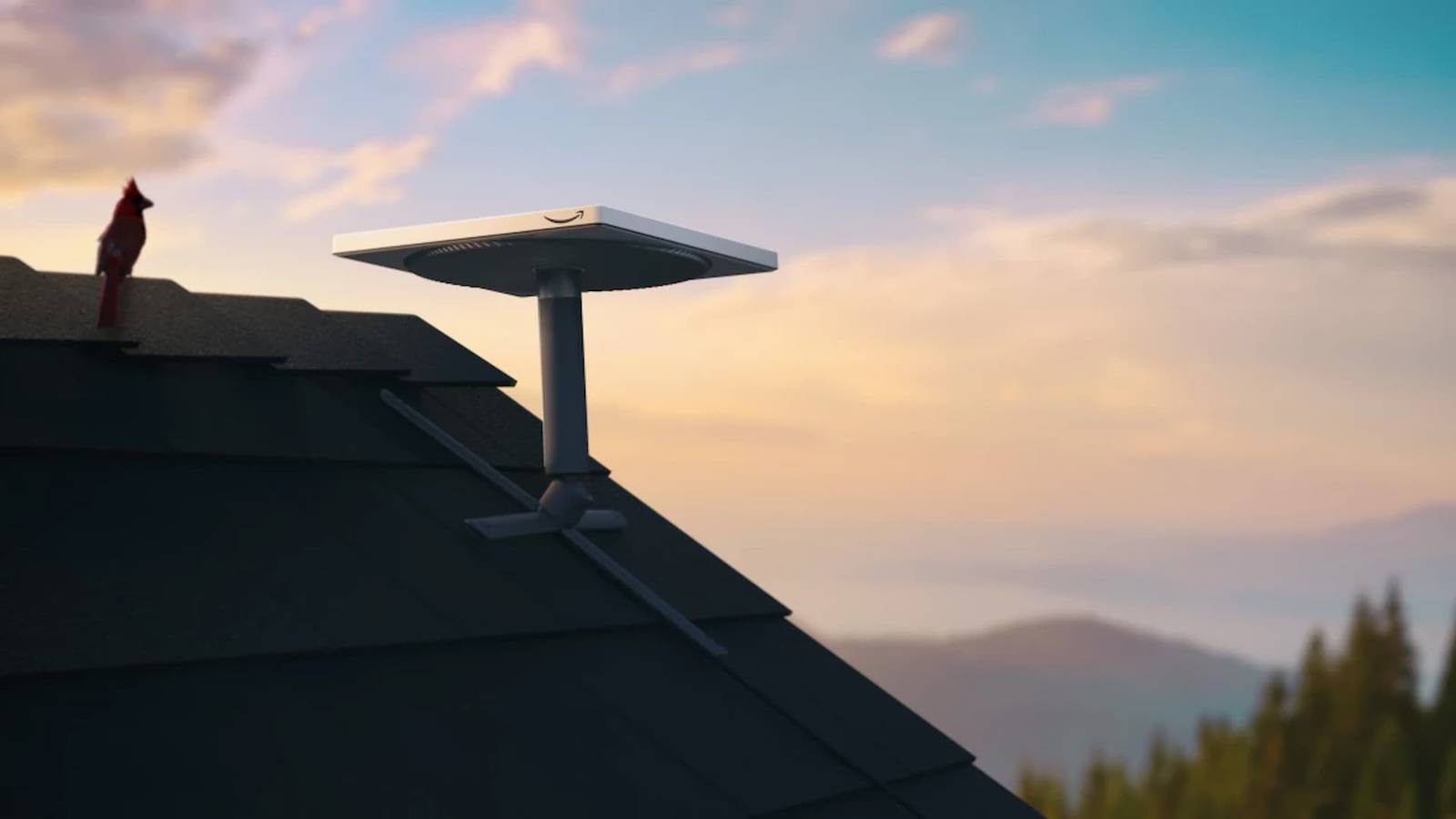
Previously, How-To Geek reported that Amazon’s ambitions in low-Earth orbit extended beyond traditional home broadband toward direct-to-device satellite connectivity.While satellite phone connectivity is still far away, Amazon is getting ready to launch its satellite internet service later this year.The e-commerce giant has been working on the satellite internet network project since 2019, when it was known as Project Kuiper.
The company later rebranded it as Amazon Leo, referring to the low-Earth orbit satellites that will focus on providing internet connectivity to customers on the ground.The company has built its 1,000th satellite for Amazon Leo and is in the league to compete with SpaceX’s Starlink.Amazon Leo is expected to launch before 2027 Its initial network is already self-sufficient to start the service In an interview with , Chris Weber, Vice President of Amazon Leo, said, “We have 396 satellites in orbit.
We’re still doing work to raise them into the final position, and then you know there’s a lot of work on the ground to do.But the plan is to launch the initial service in 2026.” Amazon plans to launch its satellites aboard United Launch Alliance's Vulcan rocket.The company is in talks with Arianespace to use Europe's Ariane 6 rocket for its satellite launch and also expects to conduct at least one additional Vulcan launch before the end of the year.
Amazon's first-generation constellation is designed to include 3,232 satellites, while almost 400 satellites are in orbit right now.The company aims to start offering the services to consumers and gradually improve coverage with subsequent launches.Does Amazon Leo have an edge over Starlink? Leo comes with better performance and stronger security Amazon claims its satellite network will deliver download speeds of up to 1 gigabit per second (Gbps) and upload speeds of up to 400 megabits per second (Mbps).
“So we have a 3x performance advantage on the downlink, and somewhere between eight and 10x on the uplink,” says Weber.The company uses AES-256 encryption and private networking options for its business customers, which allows its customers to go from antenna to satellite to ground gateway.To lure customers, Weber said that Amazon plans to integrate Leo with its existing services and devices, including Prime Video, eero, Fire TV, and Ring.
Related Amazon Launches Its First Batch of Starlink-like Satellites, Rivaling SpaceX Project Kuiper is finally in orbit.Posts 1 By Andrew Heinzman Although Amazon has finished manufacturing its 1000th satellite and is now capable of producing 27 satellites a week, its archrival already has more than 11,000 satellites in space.Amazon Leo is late in the game, but with satellites built, rockets booked, and rollout weeks away, Amazon Leo has gone from a long-delayed project to a real contender.
The next few months will show whether its manufacturing progress can translate into a successful launch.
Read More