There was a time when cable was the biggest home broadband service around—and while it still delivers home internet to millions of customers, those numbers have been dwindling in recent years as alternative options like 5G internet have grown in popularity. With top cable providers like Xfinity and Spectrum losing over 1 million broadband subscribers in just 2025 alone, it’s clear that internet users are looking for cable alternatives. Cable provider subscriber loss is directly tied to the cord-cutting phenomenon (cable TV customers canceling their cable service in favor of streaming services) and what industry experts are now dubbing “cord-cutting 2.0,” the trend of customers not only canceling cable TV, but also their other bundled cable services in favor of more flexible and cost-effective options. Enter 5G home internet.It’s advertised as cheap, widely available and often has tons of promotions that can discount your price even more.But is it actually better than cable? And when is cutting the cord to your cable broadband in favor of 5G actually worth it? We’ll break down both services below, from pricing, speeds and availability to equipment and installation so you can decide the right next step for your home. Cable vs.
5G internet: Main differences The main difference between cable and 5G internet is the technology used to deliver internet service.Cable technology is a wired technology that uses underground coaxial cables, while 5G is a wireless technology that uses cellular towers to provide a connection.The two types also differ in terms of speed, price and availability, which we compare below.
Tech TypePrice range*Download speed rangeNationwide availability* Cable$19.99 – $100.00/mo.100 – 2,000 Mbps82% 5G$30.00 – $75.00/mo.25 – 1,000 Mbps70% *Coverage percentages based on FCC National Broadband map.Actual coverage may vary. Enter your ZIP code to view internet plans available near you What is cable internet Cable internet is a wired, high-speed broadband technology that delivers internet connections through coaxial cables buried underground near your home.
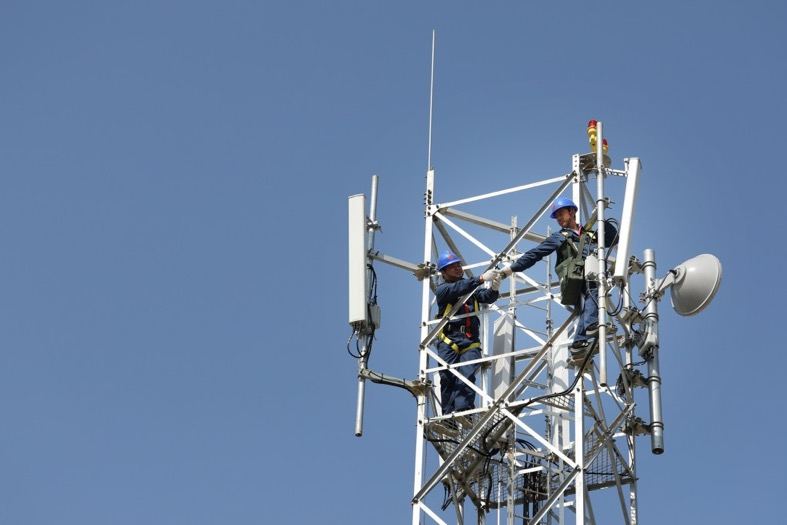
The cables transmit data as electrical signals, which your modem then translates into an internet connection.Cable internet pros and cons What is 5G internet 5G internet is a wireless internet technology that delivers an internet connection to your home using the same technology that your mobile phone uses: cellular networks.Your 5G gateway receives a signal from the nearest cell tower and converts that into an internet connection you can use in your home.
5G internet pros and cons Cable vs.5G speed comparison Most 5G internet plans offer mid-range speeds below 500 Mbps, aside from a few providers like Verizon and Starry that offer a high-speed tier of up to 1,000 Mbps, while cable providers have more plan variety, offering customers choices between low, mid and high-tier internet plans to suit their needs.5G speeds will depend on cell tower proximity, so cable generally provides more performance consistency as well. Download speeds: While select 5G providers like Verizon offer speeds up to 1,000 Mbps, cable generally offers more speed, reliability and performance consistency than 5G.
Cable providers can offer speeds up to 2,000 Mbps.Upload speeds: 5G and cable’s upload speeds are similar, usually hovering between 10 and 50 Mbps depending on the provider and plan.Learn more about the difference between upload and download speeds.
The bottom line: Cable providers offer more speed tier options, higher maximum internet speeds and performance consistency than 5G internet providers. Cable vs.5G price comparison 5G home internet tends to offer lower pricing overall, if you factor in bundle discounts, fewer added fees and price increases.But more often than not, these low prices are dependent on whether you bundle with a mobile plan (as is the case with Verizon and T-Mobile).
Without a bundle, Verizon and T-Mobile’s starting prices for 5G internet are actually higher than some cable providers which can offer prices between $20.00 and $30.00/mo. Cable providers do tend to tack on more extra fees (equipment, installation, etc.) than 5G providers, and price increases are common after the first or second year of service but long-term price guarantees are becoming common promotions amongst top providers like Xfinity and Spectrum. The bottom line: 5G can be cheap if you bundle while cable providers tend to offer lower overall starting prices but may tack on extra fees. Cable vs.5G availability Both cable and 5G internet are widely available across the U.S.Aside from satellite internet, which is available nationwide, cable and 5G are the most widely available internet technologies. Since 5G is a wireless internet service that uses cellular towers to connect users to the internet, it can often reach areas where cable isn’t installed.
While cable is widely available to over 80% of the country, 5G is being pushed in more rural areas where wired services can’t reach.If you live in a suburban or urban area, however, you will likely be able to access at least one cable or 5G internet provider. The bottom line: Both cable and 5G are widely available across the U.S. Cable vs.5G: Additional considerations When comparing cable and 5G services, factors like equipment, installation, added fees, contracts and more come into play.
Since cable and 5G use different technologies to deliver internet, their service structures differ too.We’ll break down additional considerations when comparing 5G and cable below. Cable vs.5G providers compared Cable and 5G providers can both boast low introductory prices, but cable plans offer more plan options and higher speeds.
5G internet providers’ starting prices are also only the lowest when you bundle.Compare top cable and 5G internet pricing and speeds below.ProviderStarting price*Download speed rangeFilter Xfinity$45.00/mo.300 – 2,000 MbpsCable Spectrum$30.00/mo.100 – 2,000 MbpsCable Optimum$25.00/mo.300 – 1,000 MbpsCable Cox$55.00/mo.300 – 2,000 MbpsCable Verizon 5G$35.00/mo.
(with a mobile plan)25 – 1,000 Mbps5G T-Mobile$30.00/mo.(with a mobile plan)87 – 498 Mbps5G Starry$30.00/mo.100 – 1,000 Mbps5G AT&T Internet Air$60.00/mo.90 – 300 Mbps5G Enter your ZIP code to view internet plans available near you Cable vs.
fiber FAQs Is cable or 5G internet faster? Cable internet offers faster maximum speeds and more performance consistency than 5G internet.What is the difference between 5G internet and cable? Cable internet is a wired broadband technology that uses coaxial cables to deliver an internet connection, while 5G internet is a wireless service that uses cellular technology to deliver internet.How much is cable internet? Cable internet plans start at less than $20.00/mo., but prices can reach $100.00/mo.
and up, depending on your provider and plan.What to read next Read more Featured How does fiber internet work? AJ Dellinger — 4 min read Featured Cost of cable vs.streaming: Which is cheaper? Camryn Smith — 5 min read Featured 10 questions you should ask before choosing an internet service Robin Layton — 4 min read Latest Friday, May 1, 2026 Cable vs.
5G internet Camryn Smith — 4 min read Friday, May 1, 2026 How to negotiate your internet bill Lisa Iscrupe — 5 min read Wednesday, April 29, 2026 How to actually get reliable internet while traveling (even off-grid) Camryn Smith — 4 min read
Read More